Lewis Hamilton Calls for Aid Access in Gaza After Rafah Visit
Lewis Hamilton stepped away from the cockpit and into one of the world’s most fraught frontiers this week, using his platform to deliver a blunt message: Israel must allow aid into Gaza.
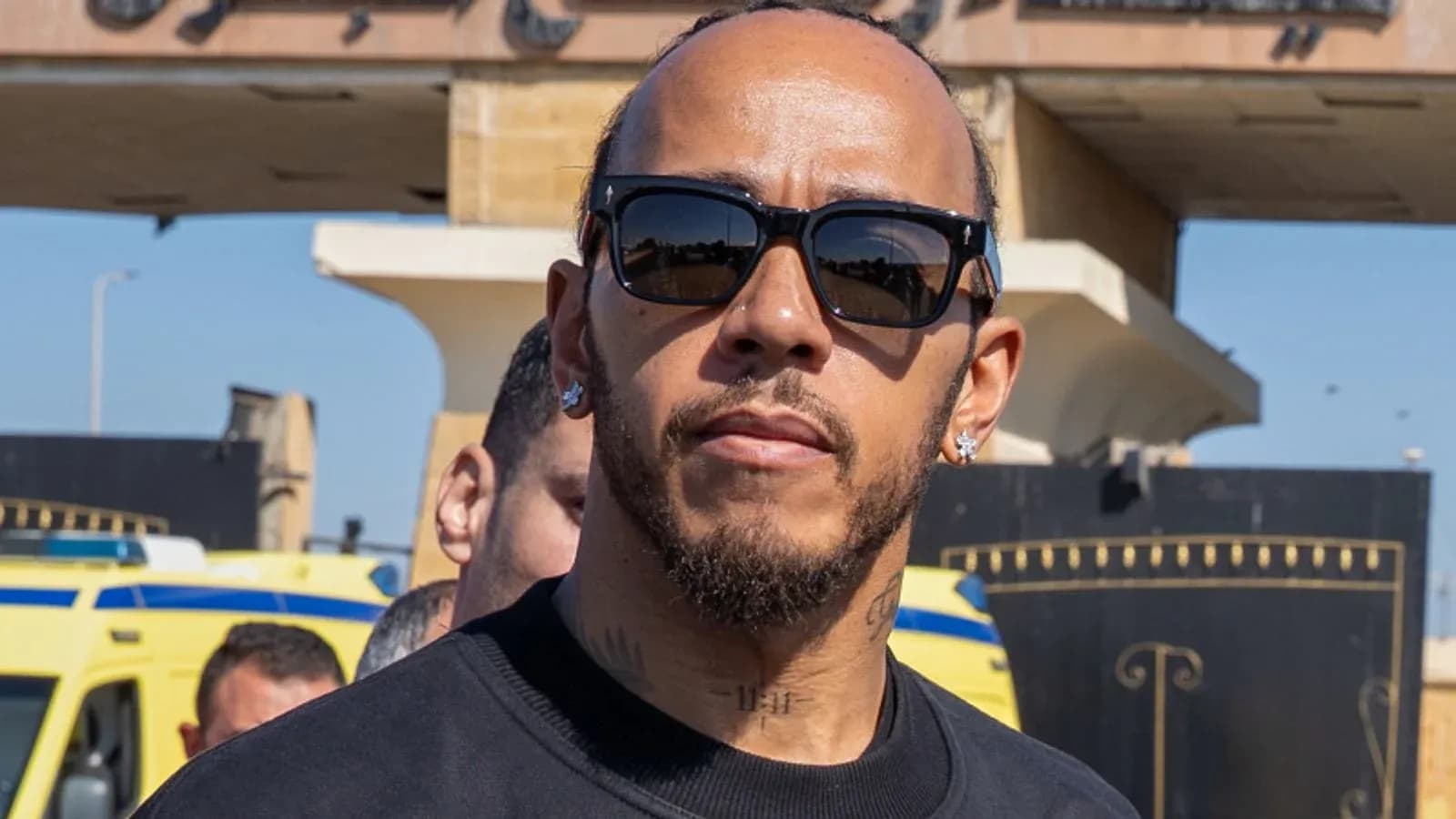
The seven-time Formula 1 world champion travelled to Egypt on Tuesday, visiting the Rafah border crossing and the Egyptian Red Crescent’s aid warehouses to see first-hand the bottleneck that has become a symbol of Gaza’s humanitarian crisis.
What he found there left him furious.
‘Let the aid trucks in. No excuse.’
Hamilton, who has repeatedly spoken about peace and human rights, described lines of lorries loaded with supplies but stuck at the border, unable to move.
“At Rafah border, I saw food trucks lined up ready to go, but they're regularly not allowed in or face major delays,” he wrote on Instagram. “The first driver in line that I spoke to had already been waiting over 12 hours.”
He said he watched aid workers labouring inside nearby logistics centres, only to see vital items turned away.
“I saw the hard work of the aid workers, but I also saw what gets rejected for crazy reasons. Sleeping bags, first-aid kits, medical equipment, wheelchairs, even footballs for kids.
“Israel needs to fulfil its obligations under the ceasefire and let the aid trucks in. No excuse.”
Hamilton framed the situation in stark moral terms, accusing Israel of “genocide in Gaza” over the past three years and describing the conditions as an “open-air prison.”
“I saw walls stretching for miles, built to keep them in. Standing there, outside what felt like an open-air prison, all I could think about was getting in to help.
“It's an injustice for people to be denied their freedom, their safety and their dignity. No human being should be treated as though their life matters less.”
Ceasefire, but no relief
His intervention comes against the backdrop of a fragile, US-backed ceasefire between Israel and Hamas. The truce has slowed but not stopped Israeli strikes on Gaza, while the humanitarian situation remains dire.
According to the UN World Food Programme, around two-thirds of Gaza’s population are struggling to get enough to eat. Aid agencies have repeatedly warned that restrictions, inspections and delays at crossing points are choking off essential supplies.
Hamilton said that what he witnessed at Rafah captured that crisis in microcosm: trucks ready, needs obvious, but access blocked or delayed for what he called “crazy reasons.”
On Wednesday, Israeli Prime Minister Benjamin Netanyahu rejected accusations that Israel is holding up aid, insisting the responsibility lies with Hamas. He accused the group of refusing to disarm and of seizing supplies for military purposes, pushing back against growing international criticism of the humanitarian situation.
From the grid to the border
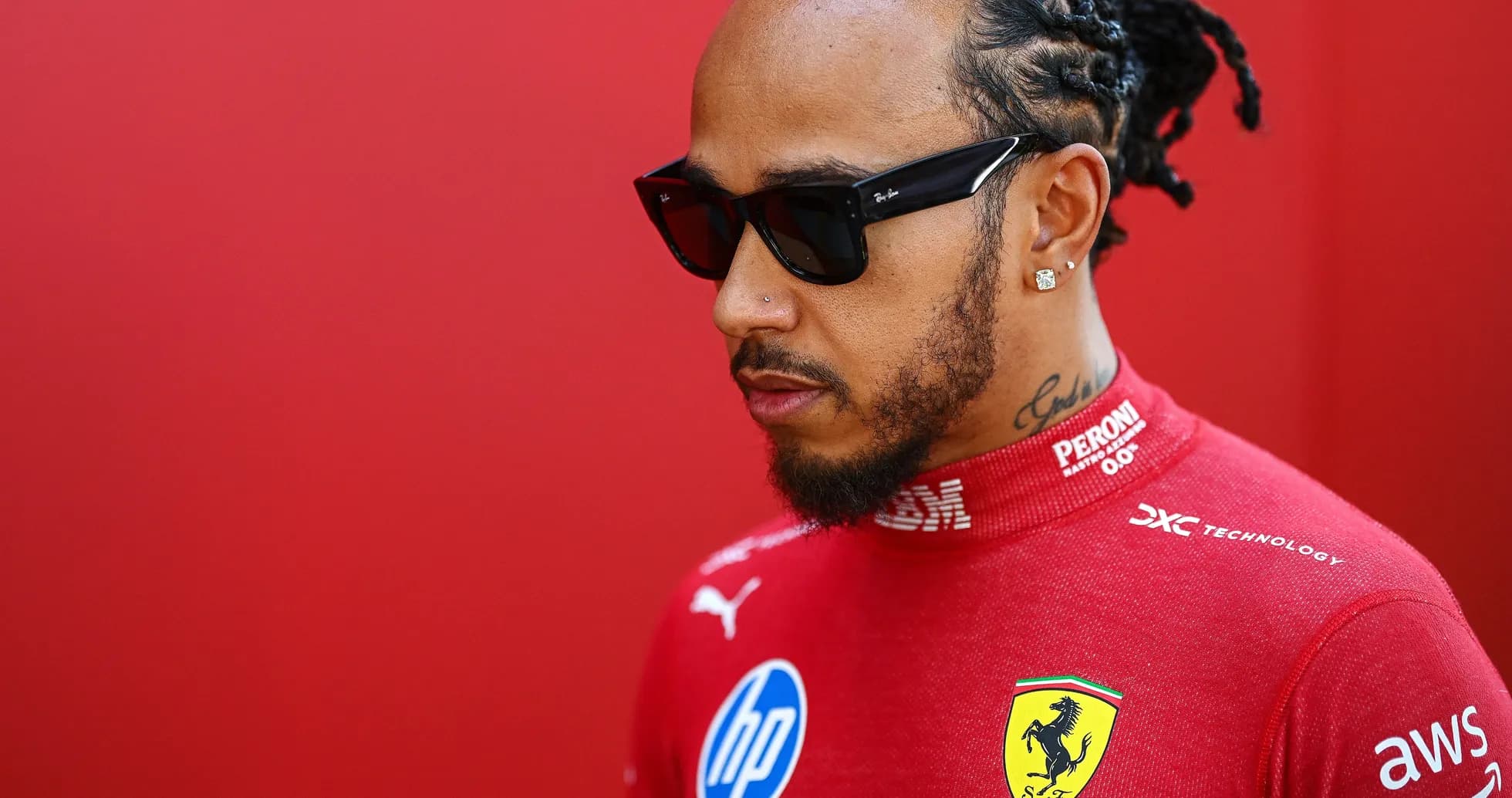
Hamilton’s visit to Rafah came just days after he finished ninth at the Sao Paulo GP. Instead of heading straight into the familiar rhythm of simulator work and media duties, the Ferrari driver chose a very different route, flying to Egypt to put his weight behind humanitarian efforts.
He has long used his status to speak on social justice issues and, in 2021, founded Mission 44, a charity focused on improving access to education and employment for young people. He has also supported wider humanitarian and relief initiatives and efforts to help those affected by conflict.
This trip, though, carried a raw immediacy. The contrast between the spectacle of Formula 1 and the stark reality of a border where food, medicine and basic supplies sit idle was not lost on him.
“I know so many people feel that same helplessness. That same need to do something rather than just watch,” Hamilton wrote. “I don't want us to get used to their suffering. I don't want us to look away.”
Racing on, message unchanged
Hamilton will now turn back to the track, preparing for the Las Vegas GP, where Practice 1 is scheduled for Friday, 20 November, as Ferrari chase a strong finish to the season.
The championship fight will dominate the headlines again. But his words from Rafah will linger: a world champion demanding that the trucks move, the aid flows, and that the sport’s global spotlight does not simply speed past Gaza’s suffering.