Manchester City vs Crystal Palace: Premier League Clash Preview
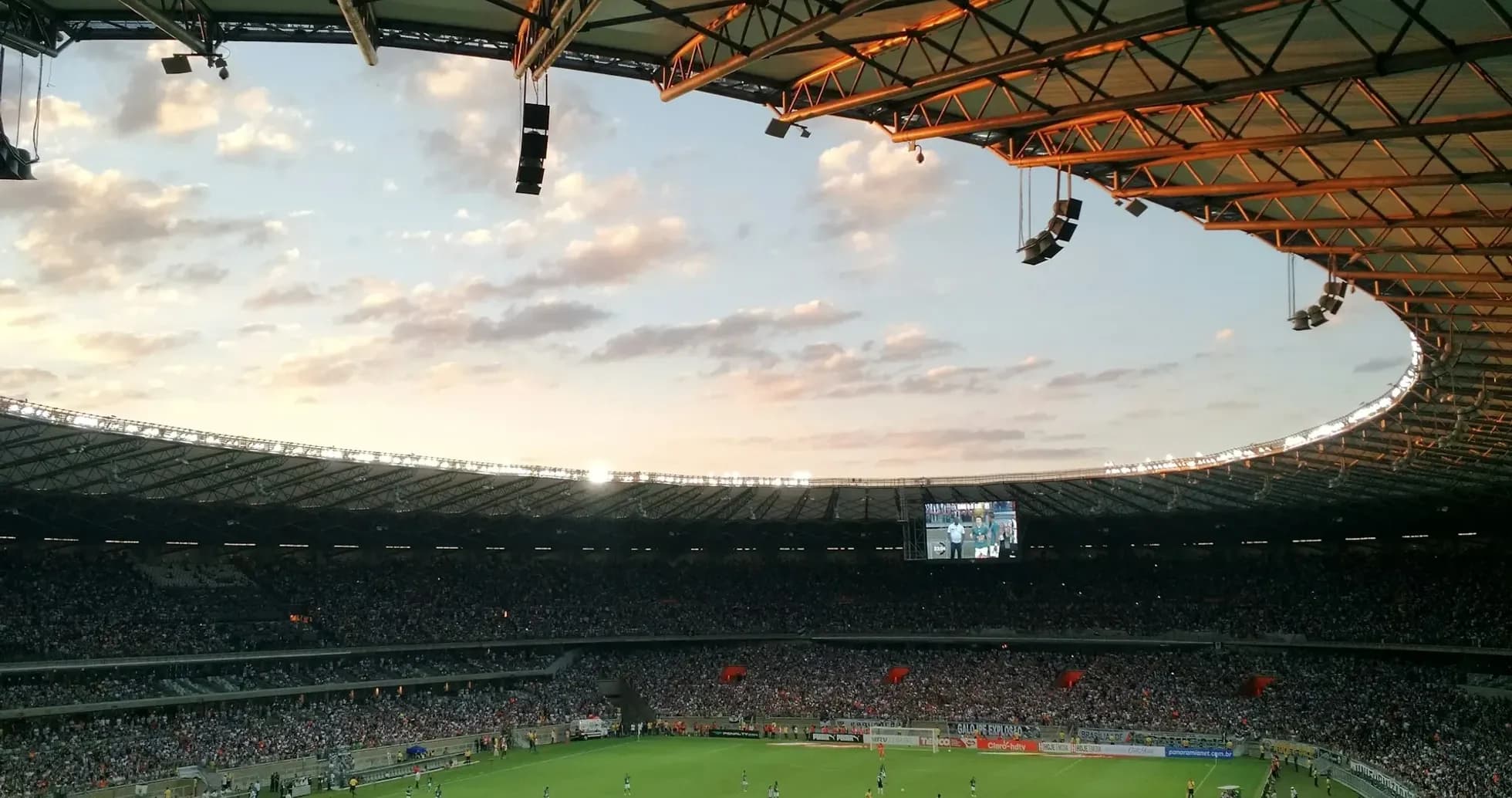
Etihad Stadium stages a high‑stakes Premier League clash on 13 May 2026 as second‑placed Manchester City host Crystal Palace. With City on 74 points after 35 games and firmly in the Champions League places, the focus is on sustaining title pressure and preserving a formidable home record. Palace arrive in 14th on 44 points, looking to rubber‑stamp a safe mid‑table finish and prove again they can trouble elite opposition.
Context and Form
In the league, City’s profile is that of a relentless contender. They sit 2nd with 22 wins, 8 draws and just 5 defeats, boasting a +40 goal difference (72 scored, 32 conceded). The recent form line of “WDWWW” underlines their consistency across the run‑in. At the Etihad, they have been close to untouchable: 13 wins, 3 draws and only 1 loss in 17 home fixtures, with a 41‑12 aggregate. That equates to 2.4 goals scored and just 0.7 conceded per home game across all phases.
Palace, by contrast, are a classic mid‑table side with pronounced home‑away splits. They are 14th with 11 wins, 11 draws and 13 defeats, goal difference -6 (38 for, 44 against). Their overall form “DLLDW” hints at inconsistency, yet their away record is quietly impressive: 7 wins, 2 draws and 8 defeats on the road, scoring 20 and conceding 23. Across all phases, they average 1.2 goals for and 1.4 against away from Selhurst Park.
Tactical Themes: City’s Structure vs Palace’s Back Three
City’s season‑long data points strongly to a possession‑heavy, territorially dominant side built on flexible 4‑at‑the‑back structures. Their most used shapes are 4‑1‑4‑1 (12 times), 4‑3‑2‑1 (8), 4‑3‑3 (6), and 4‑2‑3‑1 (5). That variety reflects their ability to morph between a single‑pivot control game and more aggressive, multi‑10s attacking setups.
Key to everything is the midfield anchor role, where Rodri is listed as questionable with a groin injury. If he is not fit, City lose their most reliable tempo‑setter and defensive shield, forcing tweaks either to a double pivot or to a more cautious rest‑defence behind their attacking line. Question marks also hang over J. Gvardiol (broken leg, questionable) and A. Khusanov (injury, questionable), which could influence the left‑back/left‑centre‑back zone and the depth of defensive rotation.
Despite those concerns, City’s numbers at both ends are elite. Across all phases they average 2.1 goals per game and concede only 0.9. They have kept 15 clean sheets (8 at home) and failed to score just 4 times all season. Their “biggest wins” include 5‑1 at home and 0‑4 away, underlining their capacity to run away with matches once in front. A yellow‑card distribution heavily weighted to the second half (especially 31‑90 minutes) suggests they often spend long stretches defending transitions and tactical fouls as they protect leads.
Palace are structurally very different. They have leaned heavily on a back three: 3‑4‑2‑1 has been used 30 times, with 3‑4‑3 appearing 4 times. That gives them width from wing‑backs and two lines of four when defending, but it can also leave space in the channels if the wing‑backs are pinned back by City’s wide players and full‑backs.
Across all phases, Palace average 1.1 goals per game and concede 1.2. They have recorded 12 clean sheets (5 away), but have also failed to score 11 times, including 4 away from home. Their biggest away win is 0‑3, but they have also suffered a 4‑1 away defeat, which mirrors the risk‑reward profile of their setup: dangerous on the break, vulnerable if overrun.
Discipline‑wise, Palace pick up most of their yellow cards between 31‑60 minutes, a period when City often increase tempo. Two red cards this season (both in the 46‑75 minute windows) hint at how stretched their back line can become under sustained pressure.
Key Players and Match‑Ups
Erling Haaland is the headline figure. The league’s top scorer with 26 goals and 8 assists in 34 appearances, he is averaging a goal involvement almost every game. He has taken 101 shots, with 58 on target, and carries a rating of 7.32. His penalty record this season is 3 scored and 1 missed, so he remains a high‑value but not flawless option from the spot.
Haaland’s battle will be against Palace’s central trio in the back three and the screening midfielders, especially with C. Doucoure ruled out by a knee injury. Doucoure’s absence removes one of Palace’s most robust defensive midfield presences, potentially leaving more space between the lines for City’s attacking midfielders to find Haaland.
For Palace, Jean‑Philippe Mateta is the main threat. He has 11 league goals in 29 appearances and has been efficient from the spot with 4 penalties scored and none missed, plus 1 penalty won. He has attempted 55 shots (31 on target) and is heavily involved in duels (279 total, 105 won), reflecting his role as both target man and outlet. If Palace are to hurt City, transitions into Mateta and set‑piece deliveries towards him will be central.
Crystal Palace’s attacking options are further complicated by injuries: E. Nketiah is out with a thigh injury, while E. Guessand (knee injury) and B. Sosa (injury) are both questionable. Nketiah’s absence removes a key alternative runner in behind and a potential partner or rotation option for Mateta, which may limit tactical variety if Palace chase the game.
Head‑to‑Head Snapshot
The last five competitive meetings between the sides (four Premier League, one FA Cup) show City with a clear edge but not total dominance:
- 14 December 2025, Selhurst Park (Premier League): Crystal Palace 0‑3 Manchester City – City win.
- 17 May 2025, Wembley Stadium (FA Cup Final): Crystal Palace 1‑0 Manchester City – Palace win.
- 12 April 2025, Etihad Stadium (Premier League): Manchester City 5‑2 Crystal Palace – City win.
- 7 December 2024, Selhurst Park (Premier League): Crystal Palace 2‑2 Manchester City – Draw.
- 6 April 2024, Selhurst Park (Premier League): Crystal Palace 2‑4 Manchester City – City win.
Across these five, City have 3 wins, Palace 1, and there has been 1 draw. The Etihad fixture in April 2025 finished 5‑2 in City’s favour, underlining how open this matchup can become when Palace’s back three is stretched.
Set‑Pieces and Penalties
City’s team‑level penalty numbers show 3 taken and 3 scored this season, and Haaland individually has converted 3 and missed 1. Palace have been perfect from the spot at team level with 7 penalties scored from 7, and Mateta has 4 scored personally. If the game becomes tight, Palace’s reliability from 12 yards is a notable weapon, especially given their ability to draw fouls in transition.
The Verdict
All indicators point to Manchester City as strong favourites. Their home record (13‑3‑1, 41‑12), overall defensive solidity (0.9 goals conceded per game across all phases), and the presence of the league’s most prolific striker create a daunting environment for any visitor. Palace’s away form is better than their league position suggests, and their 7 away wins show they can exploit space if City overcommit.
However, the combination of Doucoure’s confirmed absence, attacking doubts around Nketiah and others, and City’s capacity to vary their attacking structure should tilt the tactical balance heavily towards the hosts. Palace’s best route lies in a compact 3‑4‑2‑1, aggressive wing‑back work, and fast, direct service into Mateta, hoping to repeat the discipline and efficiency they showed in the FA Cup final in May 2025.
On balance, City’s depth, numbers at both ends, and Etihad record make a home win the most logical expectation, with the data hinting at a match where Palace can threaten but will struggle to contain City’s attacking volume over 90 minutes.