The Manchester City Scandal: The Biggest in Sports History and Its Impact on Football
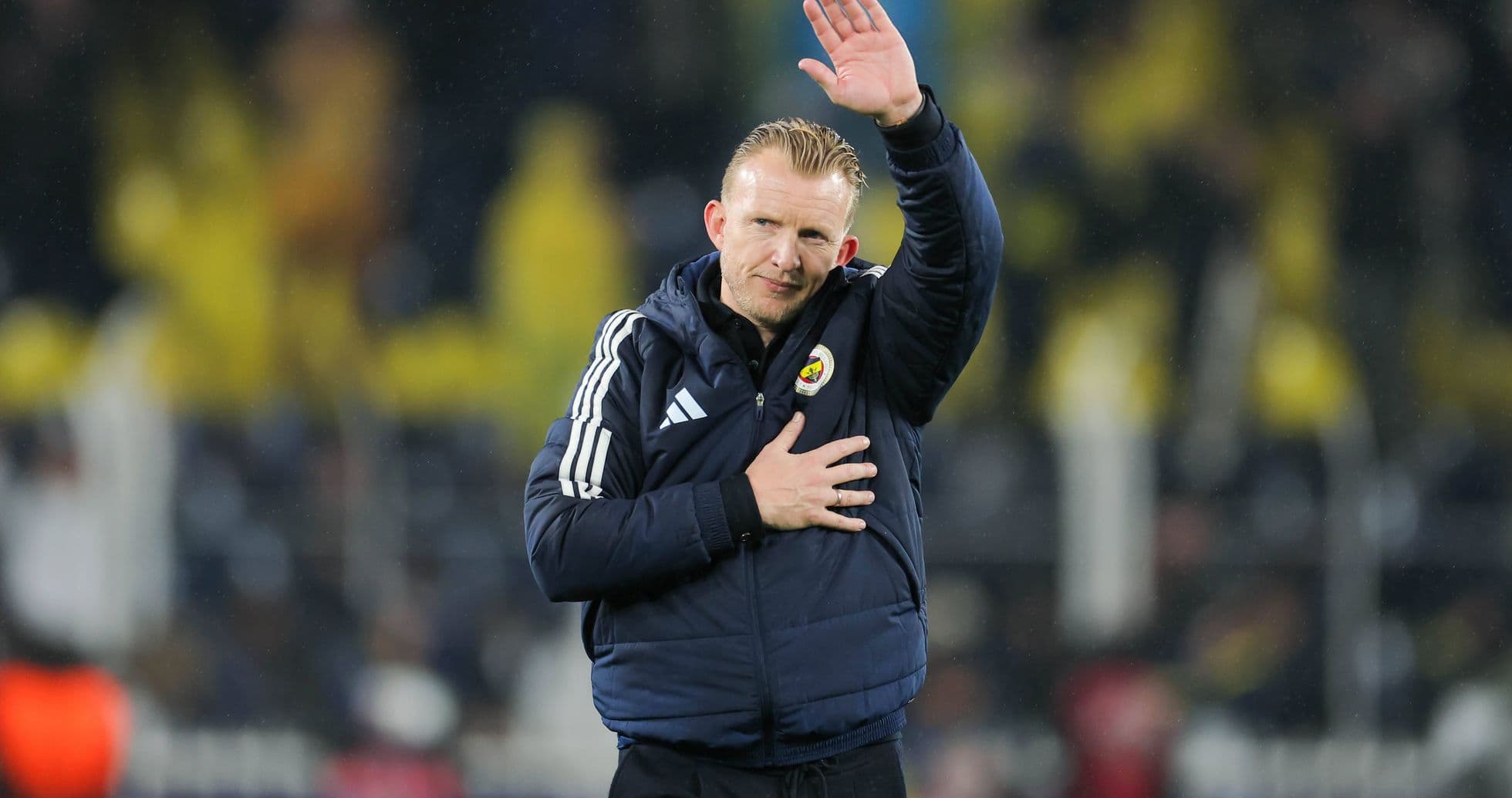
As Europe's top football clubs gathered in Copenhagen, many eyes were on Ferran Soriano, representing Manchester City at the European Football Clubs assembly. Observers described him as a "walking statue," possibly avoiding conversation by pretending to be on phone calls. This came amid intense scrutiny following the Premier League's independent commission decision against City, which the club dismissed as "unsafe" in an official statement.
Soriano went further, calling the ruling a conspiracy and promising to protect the club and seek compensation from anyone damaging its reputation. His stiff demeanor surprised many executives, while some City staff found the video response confusing given the strength of the Premier League's findings.
The Reaction and Rising Tensions
The reaction was aggressive and unusual for English sporting culture, prompting anger among fans who had rarely voiced such criticism of the club's ownership before. The club's image suffered a serious blow, with many in football circles labeling the response not defiant but deluded. Doubts are growing about whether City's vast legal resources will sway public opinion if appeals rely on procedural errors rather than disputing evidence.
This scandal dwarfs the previous 2020 UEFA case since the Premier League's report has been published, revealing what looks like one of football's most elaborate cheating schemes. It could lead to a reexamination of half of Premier League history, comparable only to the Qatar/Russia World Cup bidding controversy.
Geopolitical Implications
The case carries geopolitical weight due to Abu Dhabi's involvement as City’s owners. The club’s strategies appear closely tied to their state backers, who have shown disregard for international norms in other areas like arms embargoes in Yemen and Syria. Leaked emails suggest a willingness to undermine the Premier League entirely if forced to change how they operate.
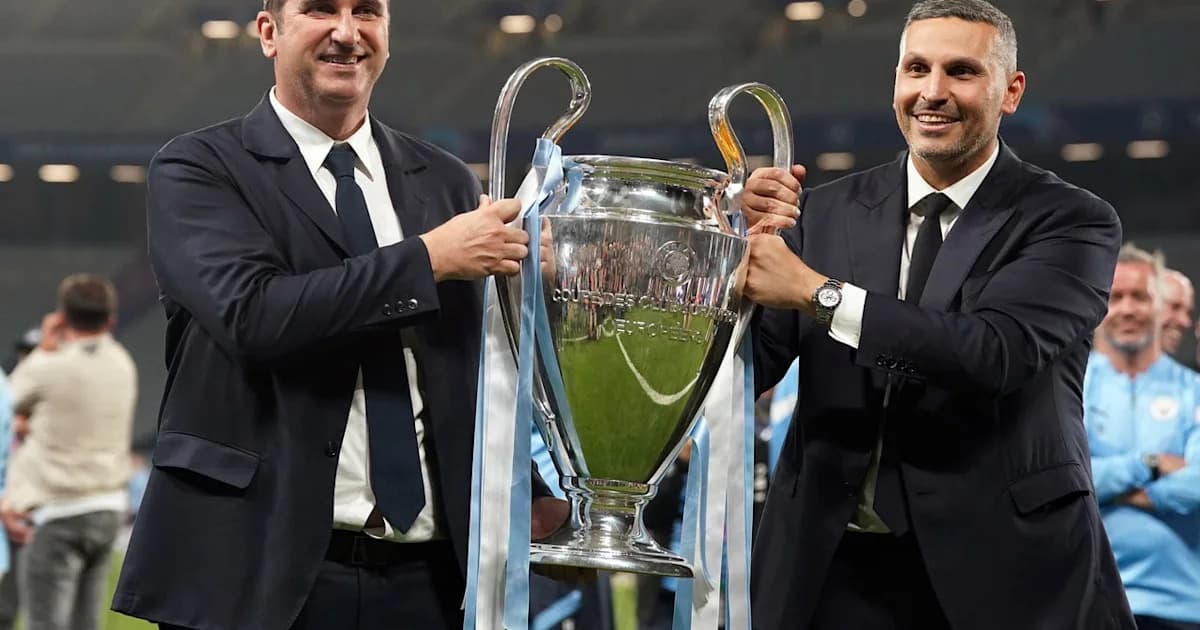
City chairman Khaldoon Al Mubarak and Abu Dhabi add complexity, highlighting risks to the sport’s rules and institutions. The owners resemble spoiled royalty used to absolute control, raising questions about football's tolerance of autocratic influence.
Long-Term Consequences
If the appeal process drags on for years, it could undermine trust in Premier League matches. Every game involving City might be overshadowed by doubt, harming the sport's integrity. Whether the club leadership cares is uncertain. This scandal exposes how football allowed powerful interests far beyond the game into its core.
It represents not just a reckoning for this version of City but also the outcome of a laissez-faire era under former Premier League CEO Richard Scudamore, whose hands-off approach to ownership has backfired. The issues left unchecked have now exploded.
A Tarnished Legacy
The fallout is already severe. City's name is stained for a generation, affecting both the club and its fans. Despite past triumphs, the glory feels tarnished and overshadowed by uncertainty. Could the owners sell? Experts note that Gulf autocracies like Abu Dhabi avoid embarrassment, but will they sacrifice political influence to keep City?
There is talk that football regulators might consider the ownership rogue enough to force a sale. The possibility of City being owned by a fan trust emerges as a hopeful alternative.
Is This Day Good or Bad for Football?
The scandal is unique in its scope and impact. It might represent both a crisis and an opportunity for football. While the situation is grim, it forces the sport to confront deep problems tied to governance, integrity, and influence. Maybe the end result will lead to a purer form of ownership and competition, but the road ahead remains uncertain.