Manchester City Triumphs 5-3 Over Sunderland in Premier League Clash
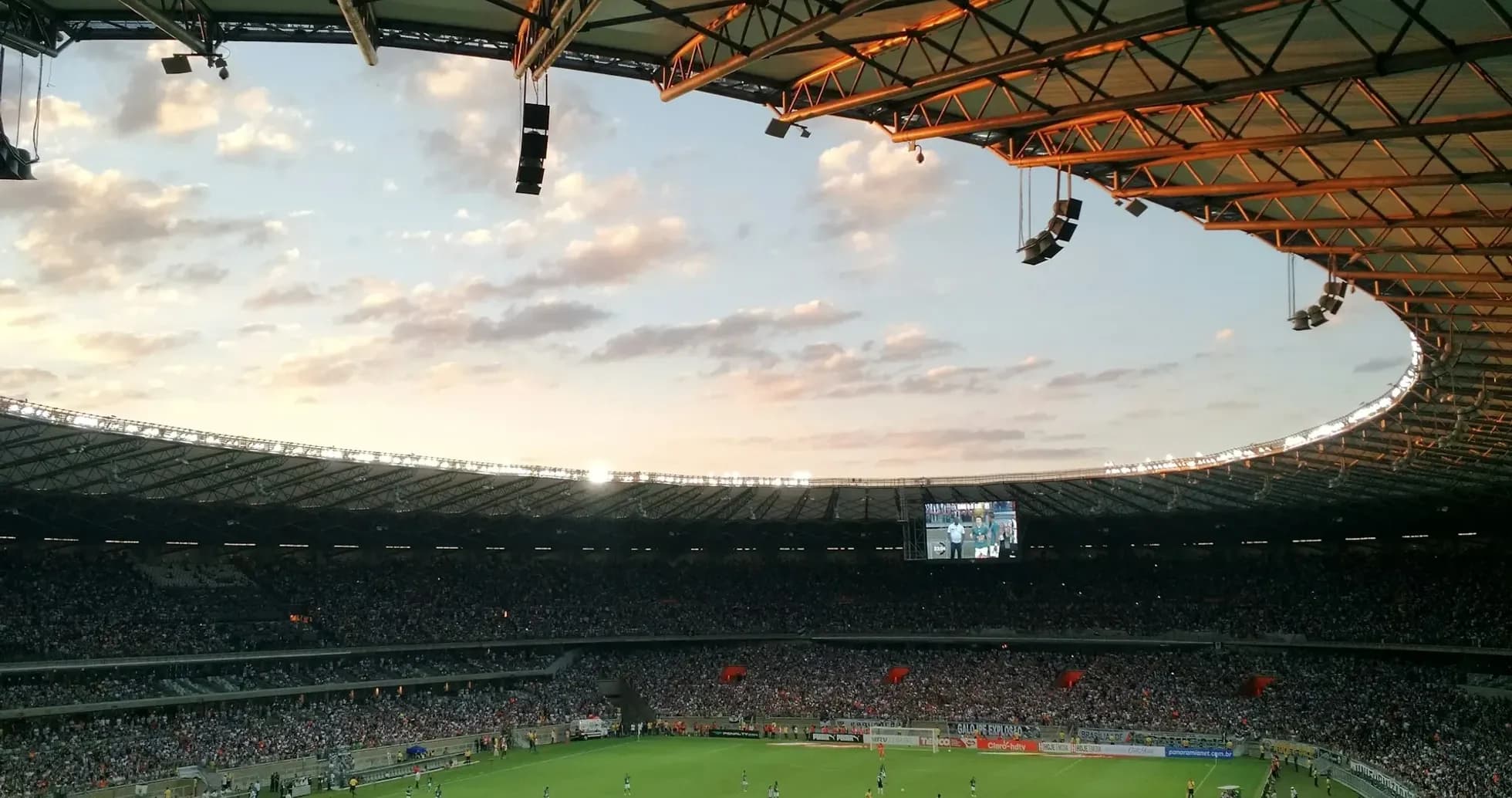
Etihad Stadium had the feel of an early-season statement ground, and Manchester City delivered one. In a wild 5-3 win over Sunderland, the league leaders under Enzo Maresca showed both the ferocity and the fragility that define their 2026 Premier League DNA. This was not a cagey top-versus-mid-table spar; it was a tactical shootout between two sides wedded to the same base shape – 4-2-3-1 – but living in very different neighbourhoods of the table.
Heading into this game, City sat 1st with 15 points from 5 matches, perfect across both home and away. Overall they had scored 13 and conceded 5, a goal difference of +8, built on an attacking rhythm that averaged 2.7 goals at home and 2.5 on their travels. Sunderland arrived in Manchester in 14th, with 4 points from 5 games and a goal difference of -4, their season already split between stubborn home efforts and chaotic away days: just 1 goal scored and 2 conceded at home, but 5 scored and 8 shipped away.
Both coaches trusted their preferred 4-2-3-1. Maresca’s version was expansive: G. Donnarumma behind a back four of Matheus Nunes, Rúben Dias, M. Guéhi and J. Gvardiol, with E. Fernández and E. Anderson as the double pivot. Ahead of them, I. Ndiaye, R. Cherki and A. Semenyo supported the spearhead, E. Haaland. It was a structure designed to suffocate Sunderland in their own half, with Semenyo and Ndiaye pinning full-backs and Cherki floating into pockets.
Régis Le Bris mirrored the shape but not the intention. Sunderland’s back four of N. Mukiele, K. Danso, D. Ballard and D. Methalie sat deeper, shielded by G. Xhaka and N. Sadiki. T. Meunier and N. Angulo worked the flanks, with E. Le Fée trying to stitch counters into something coherent behind B. Brobbey. On paper it was a compact, counter-punching design; in practice, City’s rotations dragged it into uncomfortable territory.
The absences framed the story before a ball was kicked. Manchester City were without P. Foden, suspended after a red card, stripping Maresca of one of his key creative conduits and a player who had already produced 2 assists in 4 league appearances. Sunderland were hit even harder: H. Diarra (hamstring), R. Mandava (red card suspension) and R. Mundle (knee injury) all missing. Mandava’s absence was particularly significant; he had been a defensive pillar, with 8 tackles, 1 blocked shot and 8 interceptions in his four league games, and his suspension also followed a disciplinary pattern that has Sunderland flirting with the edge. Their season already includes a missed penalty – 1 scored and 1 missed from 2 overall – and a late red card in the 91-105 minute band.
City’s own disciplinary profile this season has been spiky in a different way. Their yellow cards are heavily back-loaded: 50.00% of them arrive between 76-90 minutes, with another 16.67% in added time (91-105). They also have a single red card shown between 16-30 minutes. It paints a picture of a side that can be rattled early but often grows increasingly combative as they close games out. Sunderland, by contrast, spread their yellows more evenly, with notable spikes early (16.67% in the opening 0-15) and in the 61-75 band (25.00%), but their one red card coming very late underlines how stretched they become chasing results.
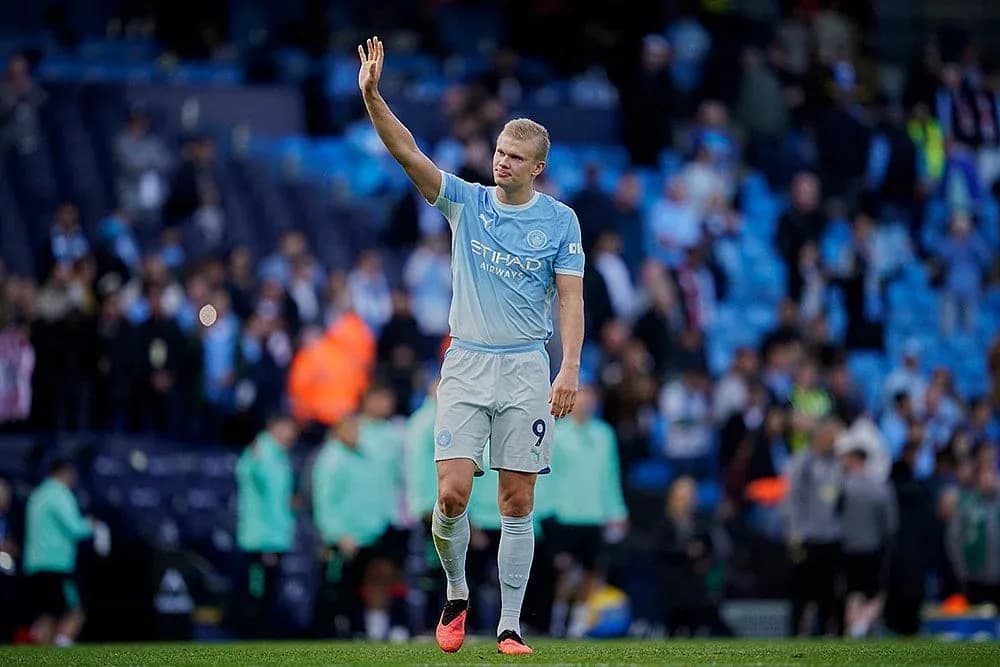
On the pitch, the “Hunter vs Shield” duel was always going to be Erling Haaland against a Sunderland defence that had been leaking 2.7 goals per away game. Haaland came in as the league’s top-rated forward: 4 goals in 4 appearances, 15 shots (9 on target), and a 7.98 average rating. Sunderland’s away record – 5 scored but 8 conceded – suggested they would create moments but struggle to live with City’s cutting edge. That played out brutally in Manchester: City hit five, and the full-time 5-3 confirmed Sunderland’s away fragility.
Behind Haaland, the “Engine Room” battle belonged to R. Cherki. Already with 2 goals and 2 assists in 4 league appearances, 10 key passes and a passing accuracy of 91%, Cherki is Maresca’s chief locksmith between the lines. His duel with Xhaka and Sadiki was less about tackles and more about time and space: could Sunderland’s double pivot close his angles quickly enough to prevent those vertical punches into Haaland and Ndiaye? For long stretches, the answer was no. City’s season-long average of 2.6 goals overall is not the product of sheer volume alone; it is driven by the clarity of the final pass, and Cherki embodies that.
Sunderland’s creative hope, E. Le Fée, found moments, and the visitors’ three goals at the Etihad align with a broader trend: they average 1.7 goals on their travels, more than triple their 0.5 at home. They are far from blunt. Yet their overall defensive average of 2.0 goals conceded per game – and particularly the 2.7 they allow away – makes every fixture a high-wire act. Even with disciplined figures like Danso and Ballard, the collective structure cannot always cope when the block is shifted laterally and vertically as relentlessly as City do.
From a statistical prognosis perspective, this contest always leaned towards a City win with a high xG profile for the hosts. An attack averaging 2.7 home goals against an away defence conceding 2.7 was an almost perfect storm, and the 5-3 scoreline reflects that convergence. Sunderland’s own scoring habits away from home meant they were never likely to leave without chances – or without a punch of their own – but their structural and disciplinary cracks, amplified by Mandava’s suspension and a history of high-stress late periods, made a clean defensive performance improbable.
Following this result, the narrative is clear. Manchester City’s 4-2-3-1 under Maresca is humming, powered by Haaland’s ruthless movement and Cherki’s orchestration, with Semenyo’s industrious wide play adding balance. Sunderland, meanwhile, remain a side whose bravery in possession and willingness to commit numbers forward can unsettle even the best, but whose defensive and disciplinary profile – missed penalties, late cards, and an away record tilted towards chaos – keeps them living on the edge in the Premier League.