Manchester United's Academy Strategy: Big Sell-On Clauses for Arsenal Transfers
Manchester United are reshaping their academy business model – and Arsenal are the first major beneficiaries.
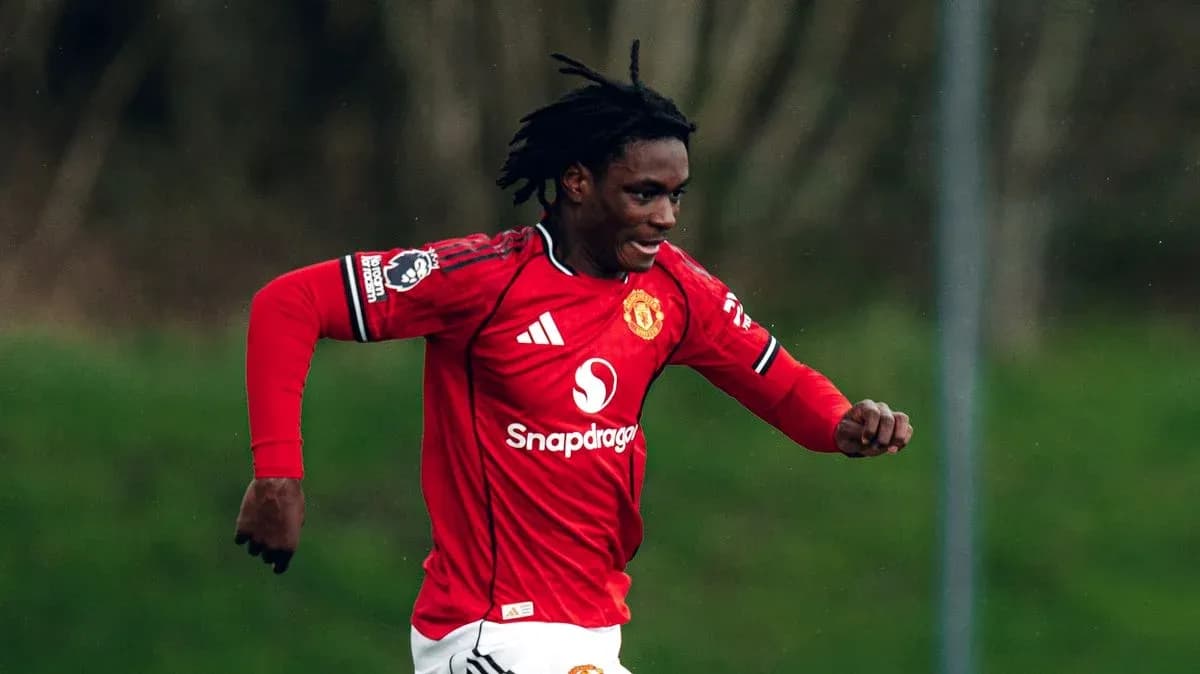
The Gunners are closing in on deals for two United youngsters, Habeeb Ogunneye and James Scanlon, with both transfers expected to go through as free moves. United, though, have made sure they won’t be walking away empty-handed.
According to The Athletic, 20-year-old right-back Ogunneye has already completed a medical with Arsenal ahead of his switch from Old Trafford. The London club are also said to be close to finalising a deal for 19-year-old winger Scanlon.
On paper, both are free transfers. In reality, United have loaded the deals with what are described as significant sell-on clauses, protecting themselves if either player explodes in north London.
There is a familiar link behind the moves. Arsenal’s new under-21s head coach David Horseman knows both players well, having spent four months working inside United’s academy. He has gone back to Carrington to help shape his first squad in north London.
This is not a one-off summer clear-out. It is a strategy.
United have been aggressive in cashing in on academy talent in recent weeks. Winger Ethan Ennis left last week for Stockport County in League One, with the club from Edgeley Park winning the race for his signature.
He followed a queue out of the academy door. Ethan Williams has joined Peterborough United, goalkeeper Radek Vitek has signed for Middlesbrough, and defender Tyler Fredricson has moved to Ineos-owned Lausanne Sport.
The structure of those exits shows exactly where United are heading.
Williams’ move included a 50 per cent sell-on clause, plus a buyback option and matching rights. Vitek’s transfer brought in a substantial fee that could climb to £14m, with a 35 per cent sell-on clause, a buyback and matching rights again built in. Fredricson’s deal also contained a “high percentage” sell-on and a buyback option.
United are taking a leaf out of Chelsea’s book. Under the Premier League’s Elite Player Performance Plan, academies are no longer just about producing first-team players; they are also judged on their ability to generate careers and, crucially, transfer value.
Chelsea have turned that into an art form, banking over £400m in fees for players developed in their academy. For clubs wrestling with PSR (profit and sustainability rules), those homegrown sales count as pure profit. The numbers matter.
Sir Jim Ratcliffe has made it clear he wants United’s academy to do the same. Speaking on The Business Podcast last October, he set out the vision: “You need the academy to be producing talent all the time. It helps you financially.”
United are now acting on that line. Talented youngsters are being allowed to leave, but only on United’s terms – heavy sell-on clauses, buyback options, matching rights, and a long financial tail on almost every deal.
Arsenal may get the immediate gain with Ogunneye and Scanlon. United are betting that the real payoff comes later.