Manchester United's Financial Strategy for Champions League Success
Manchester United are about to feel rich again. Not state-owned-club rich, but rich enough to matter.
Champions League qualification is set to pour up to £100m of extra revenue into Old Trafford, pushing next season’s total boost towards the £200m mark. Roughly half of that is expected to be generated in the upcoming transfer window alone.
On paper, it looks like a licence to spend. In reality, it is the fuel for a far bigger machine.
Money, but on a drip
United’s hierarchy are not preparing for a summer spree. The cash does not land in one glorious lump; it arrives in instalments across the season. That instantly kills the idea of blowing the lot before August.
Even in the worst-case scenario in Europe – lose every group game, out before Christmas – United stand to collect up to £70m from extra broadcast income, ticket sales, merchandising and corporate deals. Adidas will add another £10m simply because the club is back at Europe’s top table.
But Champions League football comes at a cost. The current squad’s contracts are laced with incentives and automatic uplifts for reaching the competition. Wages rise. Operating costs climb. The idea that every extra pound from Europe can be thrown at transfers is not just simplistic; it is wrong.
Hovering over all of this is the club’s long-term ambition to build a vast new 100,000-seater stadium within the next five to six years. That project will shape every major financial decision.
So yes, the numbers are exciting. They are also already spoken for.
Carrick, the project and the power of patience
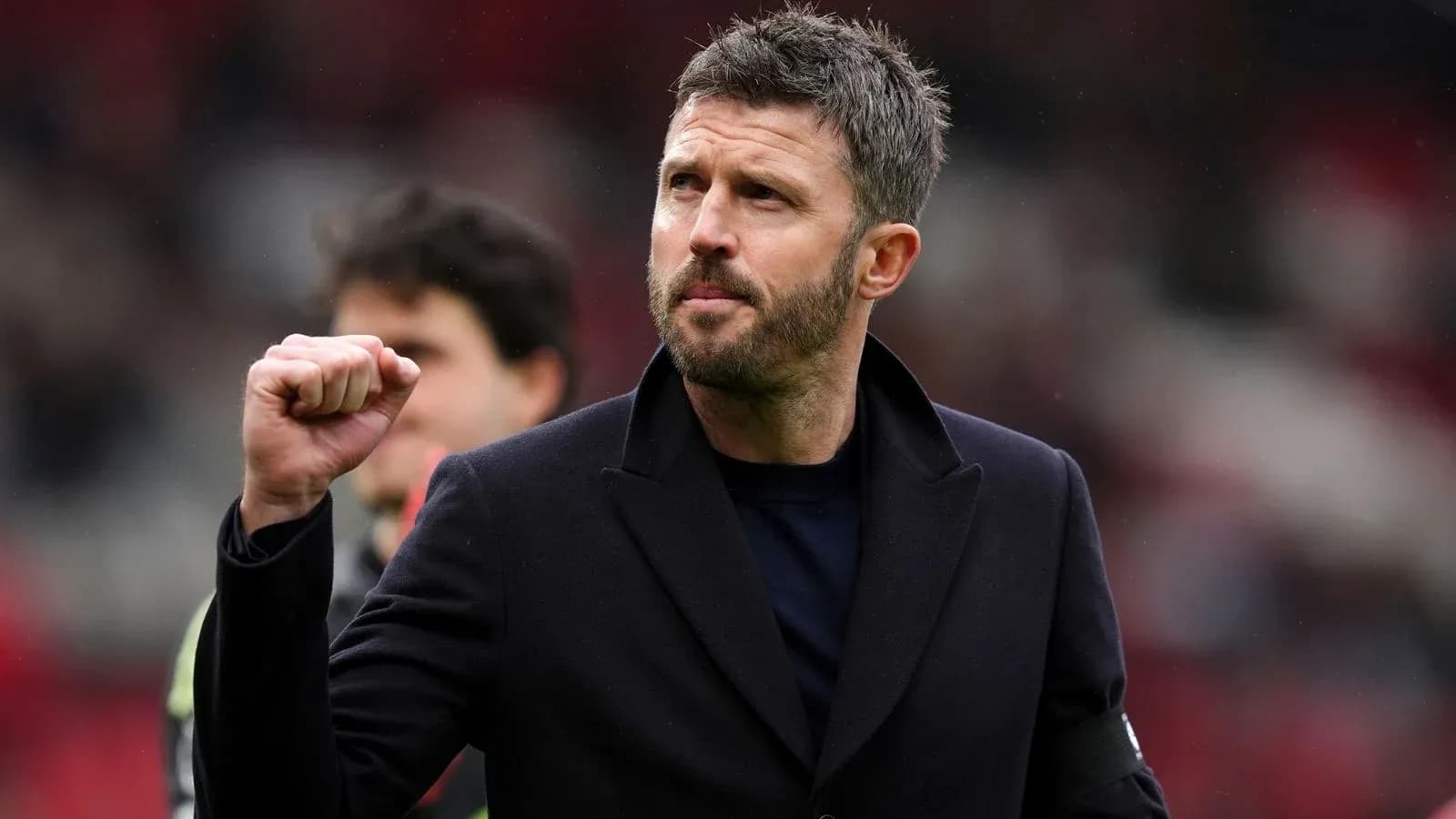
The surge in income inevitably strengthens Michael Carrick’s position. He has hit every target set for him in January and taken United back into the Champions League. That alone would usually be enough to remove any doubt.
But this is not the old United, where emotion ruled the big calls. The club plans a full interview process at the end of the season before confirming the head coach. Names such as Carlo Ancelotti, Thomas Tuchel, Julian Nagelsmann and Luis Enrique have all been monitored.
Carrick remains the clear favourite. He has momentum, the dressing room and the results. Yet even Champions League qualification does not guarantee his coronation. United want to prove – to themselves as much as anyone – that every decision fits the long-term project.
“Sustainability” is the buzzword inside the building. It will not thrill the Stretford End, but it will dictate everything.
Trim before you build
The biggest gains this summer may not come from Champions League prize money at all, but from ruthless cost-cutting.
United’s plan has been consistent for some time: recruit two elite central midfielders and, at the same time, strip away some of the biggest salaries clogging the squad. Reducing the wage bill and moving on players who sit on the fringes is expected to help the finances even more than the £80–100m European injection.
There is a clear sales line forming.
- Rasmus Hojlund’s potential £38m move to Napoli becomes obligatory if the Italian club secure Champions League football.
- The departures of Marcus Rashford, Manuel Ugarte and Joshua Zirkzee are also considered likely in the upcoming window, each sale strengthening the balance sheet.
- Casemiro’s exit will free up a huge salary slot.
- Jadon Sancho and Tyrell Malacia are out of contract in the coming months, further loosening the wage structure and giving United room to manoeuvre.
The logic is simple. Free space, then upgrade.
Midfield rebuild at the heart of the plan
The centre of the pitch remains the biggest job.
Ugarte is expected to follow Casemiro out of the door, leaving a glaring need for fresh legs, control and presence. United have been working on midfield targets for months.
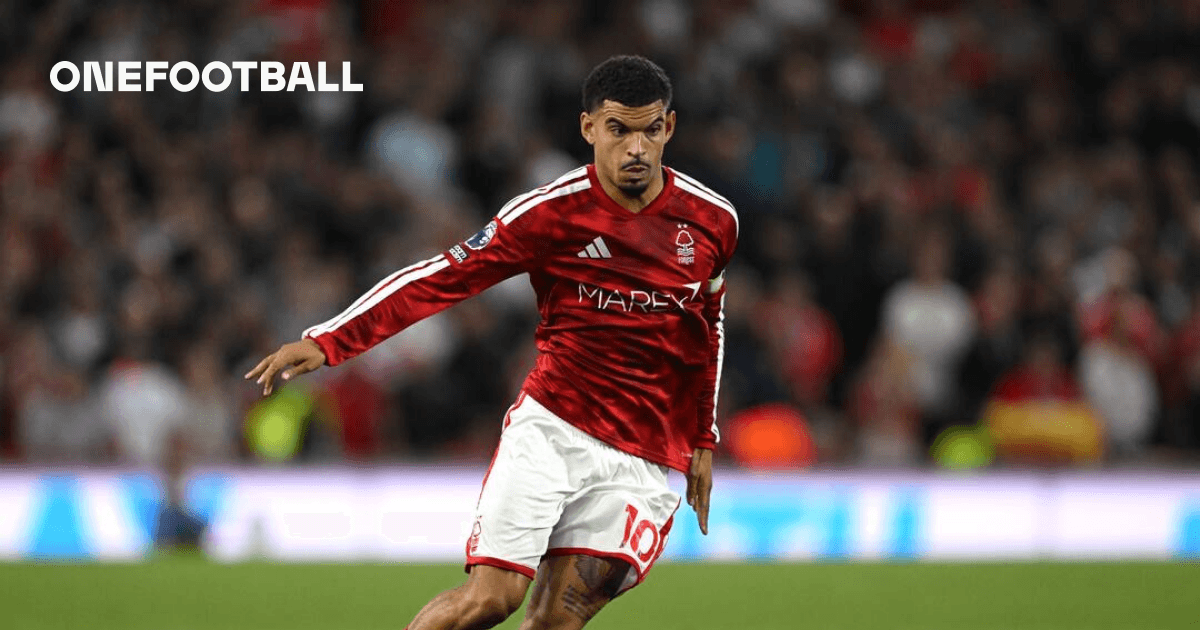
Nottingham Forest’s Elliot Anderson is viewed as a priority. Brighton’s Carlos Baleba and Newcastle United’s Sandro Tonali have both been tracked over the long term. Those names speak to a clear profile: younger, dynamic, with room to grow into the Champions League stage rather than arriving as finished, expensive monuments to past glories.
With more games on the calendar next season, depth is not a luxury. It is a requirement.
Left-back: Shaw’s burden and the search for cover
Left-back has quietly become one of United’s soft spots.
Luke Shaw has been excellent since reverting to his natural position under Carrick, but his injury history is impossible to ignore. Next season’s expanded schedule will test even the most durable bodies, and Shaw is not one of those.
Malacia, out of contract this summer and limited to just seven Premier League minutes this season, is unlikely to be the answer. United are looking elsewhere.
Eintracht Frankfurt’s Nathaniel Brown is on the radar. Newcastle United’s Lewis Hall is being monitored. So is Arsenal’s Myles Lewis-Skelly. None are marquee names, but all fit the idea of building a deeper, more resilient squad rather than relying on one overworked starter.
A new look on the left wing
The left side of the attack is also under review.
Matheus Cunha has largely owned that role this season, with Patrick Dorgu emerging as a useful alternative. United, though, want something different there – a more direct, right-footed winger who can attack the inside channels and add another dimension to their play.
RB Leipzig’s Yan Diomande has been a long-term target and is expected to draw heavy interest across Europe. This is where Champions League football and that extra financial muscle start to matter. United can offer the stage, the wages and the project.
The question is whether they can move decisively enough in a crowded market.
A bigger pool, but tighter rules
The return to the Champions League changes the conversation with potential signings. United can now sit at the top table again when they pitch to players. The badge, the history, the stadium – and now the competition they all want to play in.
But the club will not abandon the plan for one big name. The strategy is clear: key players, in key positions, at the right ages and on the right contracts. Incremental strengthening, not a wild swing.
Supporters hoping for a scattergun summer of star power may feel underwhelmed. The board see it differently. The money is already earmarked, the squad needs reshaping, and a stadium rebuild looms on the horizon.
The next few months will show whether United can finally act like a modern superclub – disciplined, strategic, ruthless – while still feeling like Manchester United.
And hanging over it all is one final decision: whether Michael Carrick, the man who steadied the season and dragged them back into the Champions League, is the coach trusted to walk them into this new era.