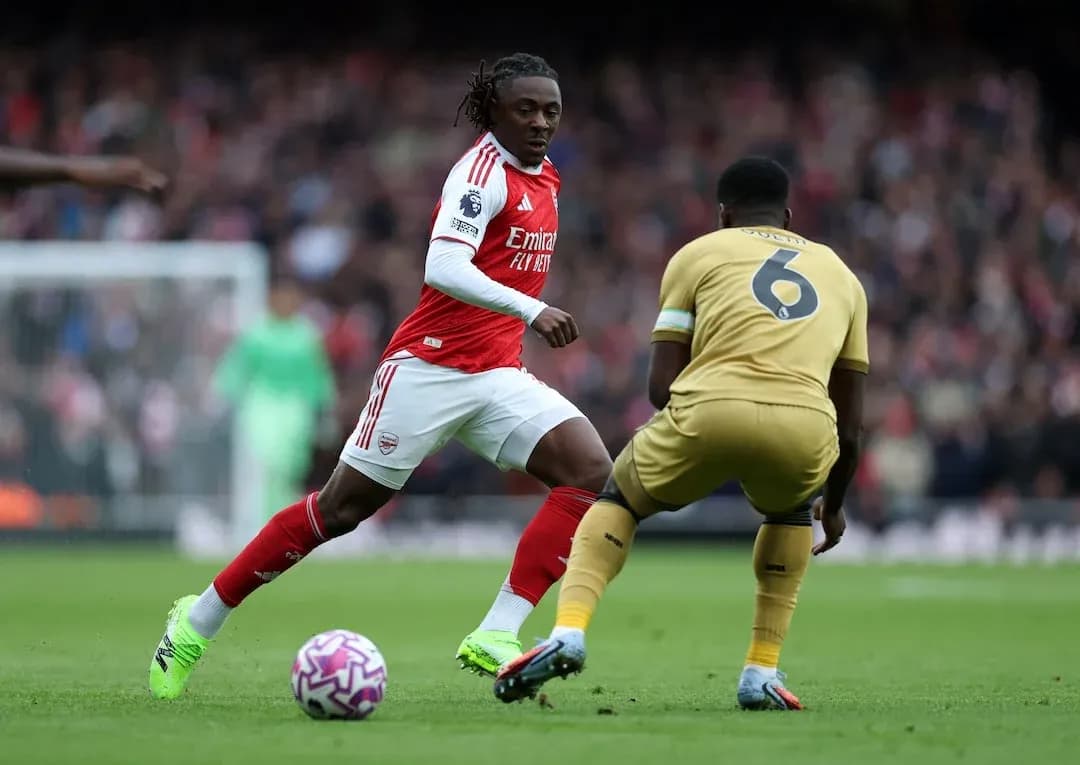
Manchester United vs Leeds United: Tactical Analysis of a 2-1 Upset
Old Trafford under the lights, Premier League round 32, and a meeting of very different seasons. Following this result, Manchester United remain a top‑four force, sitting 3rd with 55 points and a goal difference of +12, while Leeds, 15th on 36 points with a goal difference of -10, leave with something far more valuable than aesthetics: a 2-1 away win that fits their pragmatic, survival‑minded DNA.
The Big Picture – Systems, Context, Scoreline
The narrative of the night is written in the formations as much as the score. Michael Carrick’s United lined up in a 4-2-3-1, a shape he has now used 14 times in the league, layered over a season that has often leaned on a 3-4-2-1 base. At home this campaign they have been front‑footed and productive: 16 home matches, 10 wins, 3 draws, 3 defeats, with 31 goals for and 19 against. That is an attacking average at Old Trafford of 1.9 goals scored per game and 1.2 conceded.
Leeds arrived in Manchester with a 3-4-2-1 of their own, one of several systems Daniel Farke has deployed in a season of tactical shape‑shifting. On their travels they had been stubborn but fragile: 16 away games, only 2 wins, 7 draws, 7 defeats, 17 goals scored and 29 conceded – an away scoring average of 1.1 and an away defensive average of 1.8. Yet on this night that away vulnerability bent but did not break. Two first‑half goals and a resilient second‑half block saw them through, despite United’s late surge that brought the deficit back to 2-1.
The full‑time scoreline mirrors the broader seasonal profiles: United generally more expansive (57 goals in total across 32 matches, 1.8 per game) but still too open at the back (45 conceded, 1.4 per game), Leeds less prolific (39 total goals, 1.2 per game) but opportunistic enough to punish lapses.
Tactical Voids – Absences and Discipline
The absentees list shaped both benches and game plan. United were without P. Dorgu (hamstring injury), H. Maguire (suspended after a red card) and M. de Ligt (back injury). The Maguire and de Ligt absences pushed L. Yoro and L. Martinez together as the central pairing, with L. Shaw and N. Mazraoui completing the back four in front of S. Lammens.
For Leeds, the spine was also thinned: D. James (muscle injury) removed a direct counter‑threat, while J. Rodon and A. Stach (both ankle injuries) reduced Farke’s defensive and midfield rotation. That made the starting roles of J. Bijol and P. Struijk in the back three, and E. Ampadu in central midfield, even more non‑negotiable.
Seasonally, United’s disciplinary profile hints at a side that can lose control in the middle phases. Their yellow cards peak late, with 21.57% of bookings arriving between 76-90 minutes, and they have seen red in the 46-60 and 76-90 ranges. Casemiro is the embodiment of that edge: 9 yellow cards and 1 yellow‑red this league season, underlining the fine line he walks as United’s primary shield.
Leeds, meanwhile, distribute their cautions more evenly but with a notable spike between 61-75 minutes, where 22.64% of their yellow cards arrive. That pattern reflects a team often under pressure as games open up, forced into tactical fouls to halt transitions.
Key Matchups – Hunter vs Shield, Engine Room Battles
The clearest “Hunter vs Shield” duel was D. Calvert-Lewin against United’s back line. Calvert-Lewin entered the game as Leeds’ leading scorer in the league with 10 goals and 1 assist from 29 appearances, supported by 56 shots (28 on target). He is not merely a penalty‑box finisher; he has won 149 of 387 duels, a profile of a forward who thrives in contact and aerial battles. Crucially, his penalty record this season is not flawless: 2 scored but 1 missed, a reminder that his ruthlessness still has a human edge.
Facing him, United’s defensive structure lacked Maguire’s aerial presence and de Ligt’s authority. That pushed more responsibility onto L. Martinez’s aggression and Yoro’s composure. With United conceding 19 at home and 26 away, their overall defensive numbers are respectable but not elite; a physically dominant, duel‑hungry striker like Calvert-Lewin was always going to test the seams of that pairing, especially on set‑plays and direct balls into the channel between centre‑back and full‑back.
In the “Engine Room”, the duel between creators and enforcers defined the flow. Bruno Fernandes came into the fixture as the league’s top assist provider with 17 assists and 8 goals from 29 appearances, underpinned by 1683 passes and an extraordinary 106 key passes at an 82% accuracy rate. He is United’s reference point between the lines, operating as the central “10” in the 4-2-3-1, with M. Cunha and A. Diallo flanking him and B. Sesko ahead.
Behind Bruno, Casemiro and M. Ugarte formed the double pivot. Casemiro’s 71 tackles, 17 blocked shots and 25 interceptions this season speak to his capacity to extinguish fires, but his 43 fouls committed and heavy card count also underline the risk when United are stretched. Ugarte’s role is to share the defensive load and allow Bruno to drift into half‑spaces.
Leeds’ answer lay in the density of their 3-4-2-1. E. Ampadu, backed by A. Tanaka and the wing‑backs J. Bogle and G. Gudmundsson, formed a mobile box around the zones Bruno likes to exploit. Behind them, Bijol’s physicality and Struijk’s anticipation were key to dealing with Sesko’s 9‑goal threat and his 31 shots on target this season. The task was to compress the central lane, force United wide, and then win the first and second balls around Calvert-Lewin’s hold‑up play.
Statistical Prognosis – xG Logic and Defensive Solidity
If we strip the night back to probabilities, the pre‑match statistical landscape tilted towards United. At home they averaged 1.9 goals scored and 1.2 conceded; Leeds, away, averaged 1.1 scored and 1.8 conceded. On an xG‑style expectation curve, that combination typically projects a home win with United generating more and better chances.
But Leeds’ season has been built on stubborn draws and the occasional punch above their weight. They had already drawn 7 of 16 away matches and kept 2 away clean sheets, and their capacity to congest central zones with a back three and double pivot always offered a route to frustrate United’s rhythm. Add Calvert-Lewin’s 10‑goal cutting edge and the reality that United’s defensive record, while positive, is not watertight, and the upset path was clear: score first, then suffer.
Following this result, the story of Old Trafford is one of a high‑ceiling, high‑usage United attack running into a compact, opportunistic Leeds unit that executed their plan almost perfectly. On another night, the underlying numbers might have favoured a United comeback. Here, the structural frailties that have occasionally haunted Carrick’s side met the ruthless efficiency of Farke’s front line, and the league table – 3rd versus 15th – briefly blurred in the face of 90 unforgiving minutes.