Manchester United Sign Carlos Baleba: A New Midfield Anchor?
Manchester United have ripped up their midfield and started again. More than £150million has gone into the engine room alone this summer. And yet one question still hangs over Old Trafford: have they finally found the anchor they’ve been chasing for years?
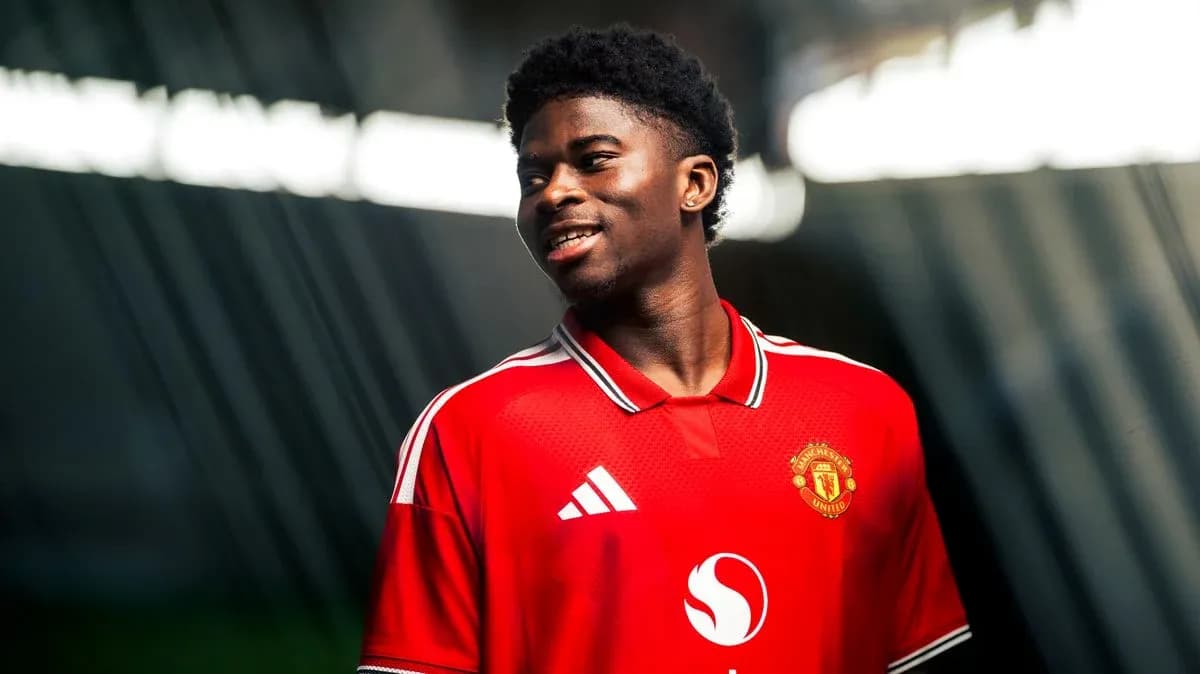
Carlos Baleba is the latest answer.
On Tuesday, the Cameroon midfielder became United’s third midfield signing of the window, following Andrey Santos and Youri Tielemans through the door. His deal from Brighton could rise to £70m – a sizeable outlay, but still a climb-down from the nine-figure sums the Seagulls once demanded.
Back in the summer of 2025, Brighton were talking about north of £100m when United and others came calling. That stance owed plenty to his breakout form at the Amex and the precedent set by Moises Caicedo’s move to Chelsea. One underwhelming 2025/26 campaign changed the landscape. The price dropped. The gamble remained.
From United’s side, it’s a risk they are willing to take.
At his best, Baleba offers exactly what this squad has lacked: balance. He can sit, he can cover ground, he can let others play. And crucially, he gives Michael Carrick options to switch systems without ripping the whole structure apart.
United’s long search for solidity
United’s recent history in midfield is a story of expensive solutions that never quite solved the problem. They wanted a destroyer at the base. They got Casemiro and Manuel Ugarte, among others, but each came with caveats.
Casemiro ended up playing higher and hunting goals in his final season. Ugarte brought bite but not always the control United craved. The team often looked open, stretched, easy to play through.
Baleba’s numbers at Brighton suggest a different profile. In his standout 2024/25 season, he completed 79 tackles in the Premier League, according to official stats – joint 25th in the division and just behind Casemiro and Bruno Fernandes. That alone doesn’t capture his influence.
Per Fotmob, he ranked 14th in the league for interceptions per 90 minutes, averaging 1.6. Among United players, only Harry Maguire bettered that figure. He hit the same 1.6 average last season as well, though the raw totals dipped from 46 interceptions to 29.
The picture is clear: Baleba reads danger, gets there early and breaks things up. He doesn’t just fly into challenges; he anticipates.
Rio Ferdinand has already nailed down what excites him about the 22-year-old.
“He brings that ability to get around the pitch, that physical prowess,” the former Champions League-winning centre-back said on YouTube. “I think his duels power is great, his press resistance, and I think more so than most of the others.
“He can beat the press with the ball but his vertical ball progression with the ball especially... is an asset to this team now and he can do it with real pace. I think he complements every other one of those midfielders he's coming into the team with. Whoever he plays with, he complements them.”
That last line matters. United are not just buying a ball-winner; they’re buying a glue piece.
The blip that lowered the price
Of course, the critics will not ignore last season. They shouldn’t. Baleba’s 2025/26 campaign was patchy, and that’s a big reason why United are paying £70m and not £100m-plus.
Context, though, changes the picture.
Brighton head coach Fabian Hurzeler openly admitted that United’s interest might have got into the player’s head early in the season. When a young midfielder sees stories of a “big, big offer” from Old Trafford, focus can drift. Hurzeler spoke about that human side – the emotions, the pressure, the reality that a 20-something is not a machine you can simply switch on and off.
Baleba’s year was also chopped up by the Africa Cup of Nations. A mid-season trip with Cameroon disrupted his rhythm and his minutes. That won’t be an issue this time around.
Strip those factors away and you see a player who, even in a “down” year, still put together 1,662 league minutes and maintained strong interception numbers. Go back one more season and his durability stands out even more: 2,673 league minutes in 2024/25. Week after week, he played.
United need that reliability as much as his tackling.
A new core – but is it robust enough?
Tielemans, Kobbie Mainoo and Santos bring technical quality and variety, but not a lot of recent mileage. Tielemans logged 1,863 minutes for Aston Villa last season, his year disrupted by two separate injury lay-offs. Mainoo totalled 1,654 minutes after being used sparingly before Carrick’s arrival. Santos managed 1,255 league minutes at Chelsea, even if his overall minutes across competitions edged above Mainoo’s.
You can spin that either way. Fresh legs. Or under-used players being asked to step into a demanding, twice-a-week schedule in a new-look midfield.
This is where Baleba’s workload profile becomes crucial. If he can repeat that 2,600-minute type of season in red, Carrick can rotate the others without ripping out the spine. The role he’s expected to fill at Old Trafford demands stamina as much as skill.
There is a catch, though. He’s arriving injured. United supporters will need to park the instant-hero expectations for a while. The club know they’re buying for the long haul, not just the first month.
Baleba, for his part, sounds ready for the challenge.
“I cannot wait to work with Michael Carrick; his experience and knowledge of the game make him the perfect coach to help me to reach the highest level,” he said after signing. The message is clear: he sees Carrick – one of the Premier League’s great passers and organisers – as the mentor to sharpen his game.
United have spent big to rebuild their midfield in Carrick’s image. Now it rests on Baleba to prove that last season was a wobble, not a warning. If he gets it right, this £70m gamble could finally give Old Trafford the platform it has been missing. If he doesn’t, how many more times can United afford to start again in the very heart of their team?