Manchester United's Shift: Prioritizing Value Over Vanity
Manchester United are no longer shopping in the same aisle as they once did. Not by accident, and not because they can’t. Since Sir Jim Ratcliffe’s group took control of football operations, the club has been steering away from the era of headline-chasing, blockbuster transfers.
That doesn’t mean United will never smash the £100million barrier again. It does mean Paul Pogba’s £89m record from 2016 looks safe for a while yet.
This summer was never set up to be a statement-spend window. With a top-three finish and Champions League football already secured last season, there was no panic, no need for a firehose of cash to drag the club back into Europe. History shows United usually go big when they’ve missed out on the Champions League and are scrambling to get back. This time, the brief was different.
A complete rebuild of the midfield was required. Other areas of the squad still need attention. The budget had to stretch, not explode. That’s why you’ve seen targeted, “cheaper” deals rather than one marquee arrival designed to light up social media.
United’s hierarchy want smarter recruitment, not just louder.
The Left-Back Question That Won’t Go Away
One issue keeps circling back: left-back.
“When are United signing a left back?” is not just a fan gripe; it’s now a central question of the window. And it’s a fair one.
United’s approach has looked cautious, maybe too cautious. Lewis Hall was there as a potential option, now at Newcastle. Whether he would have pushed for a move is unclear, but United never truly tested Newcastle’s resolve. For a club of United’s size, that lack of aggression in the market has raised eyebrows.
They do want a left-back. That much is clear. But only at the right price.
The recent arrival of Carlos Baleba underlined the new stance. United walked away from the midfielder last summer when the numbers didn’t add up. This year, when the valuation aligned with their view of the player, they went back and got the deal done. It was a reminder: this regime will not be bounced into overpaying, even if the need is obvious.
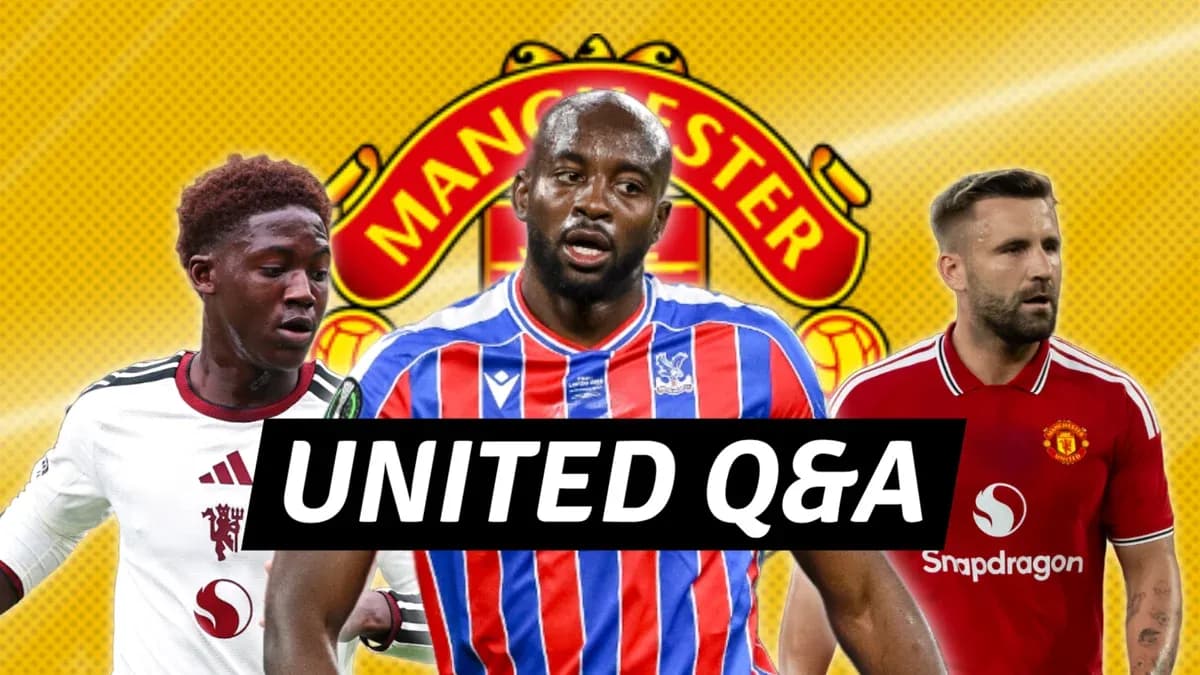
That logic now collides with reality at left-back. Luke Shaw’s fitness held up impressively last season, but with a congested calendar ahead, relying on him alone is a gamble. The club’s lack of urgency in that position is starting to grate on supporters who can see the risk from a mile off.
They’re right to be nervous.
Mainoo, Baleba and the Midfield Balance
Another theme running through the fanbase: Kobbie Mainoo.
“Mainoo is our midfield man. Why not play him regularly?” “Why buy Baleba when he’s not as good?” The questions come with passion, but they don’t quite fit the picture inside Carrington.
Mainoo and Baleba are not like-for-like. They bring different profiles, different strengths, and there is every chance we’ll see them together in the same midfield this season.
As for Mainoo’s minutes, the explanation is simple rather than sinister. He only returned to pre-season training less than three weeks before the campaign started. That left him short of the sharpness needed to start the opening-day defeat to Hull. He came off the bench midway through the second half at the MKM Stadium and is now in the frame to start on Sunday.
Inside the club, there’s no doubt about his status. Mainoo is viewed as both the present and the future of United’s midfield. He will play. A lot.
Baleba’s arrival doesn’t threaten that; it should support it. United have been crying out for depth and variety in midfield. They now have another option who can take some of the load while offering a different skill set alongside Mainoo.
Cover for Shaw, Backup for Sesko?
One supporter concern cuts to the heart of squad building: what happens if Shaw breaks down?
The fear is that without a proper left-back signing, all the careful work of the summer could unravel. Harry Amass is highly rated but still raw, nowhere near the level required to step in regularly for a club with United’s ambitions.
Saying all the summer’s progress would be “undone” without a left-back feels extreme. But the need is obvious. The margin for error is thin. A long season, a heavy schedule, and Shaw’s history mean United are tempting fate if they don’t act before the window shuts.
Up front, the suggestion of Jean-Philippe Mateta as an experienced backup to Benjamin Sesko is an interesting one, and it fits the broader theme: United need not just stars, but solid, reliable squad players who can carry minutes without dropping the level.
The club’s new decision-makers want to prove they can find value where others see only risk or compromise. The question now is simple: can they do it quickly enough, especially at left-back, to match the urgency their supporters feel?