Mauricio Pochettino Takes Charge as Manchester United Manager
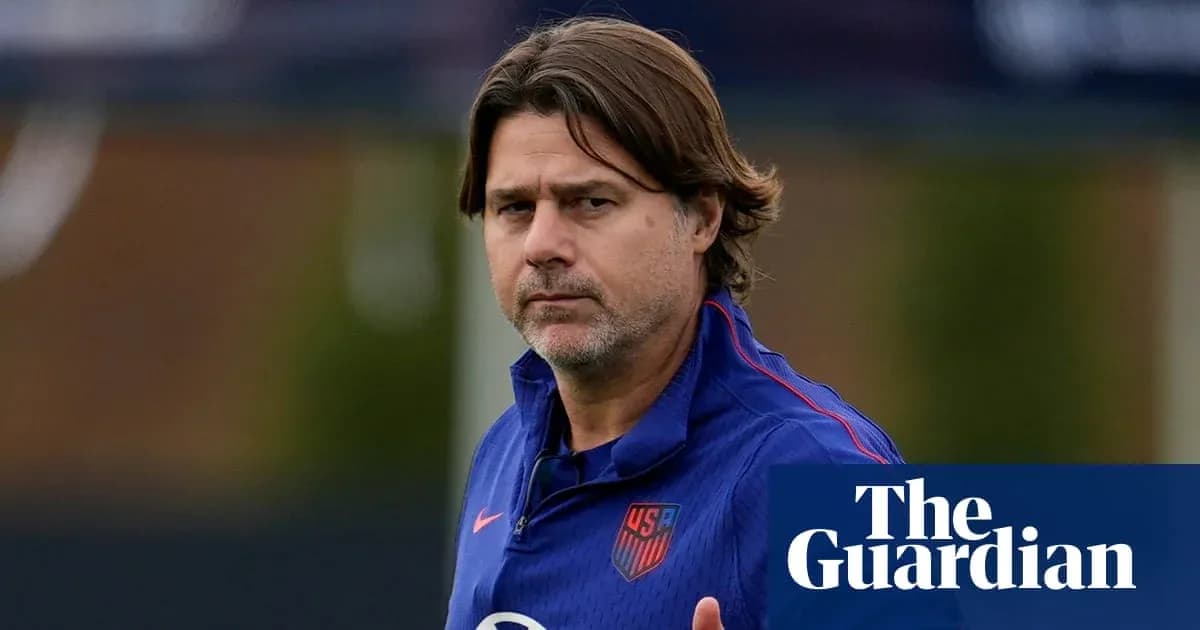
Manchester United have turned to Mauricio Pochettino in a bid to arrest their worst start to a season in 40 years, prising the Argentinian away from the US men’s national team in a deal that underlines the scale of their desperation – and their ambition.
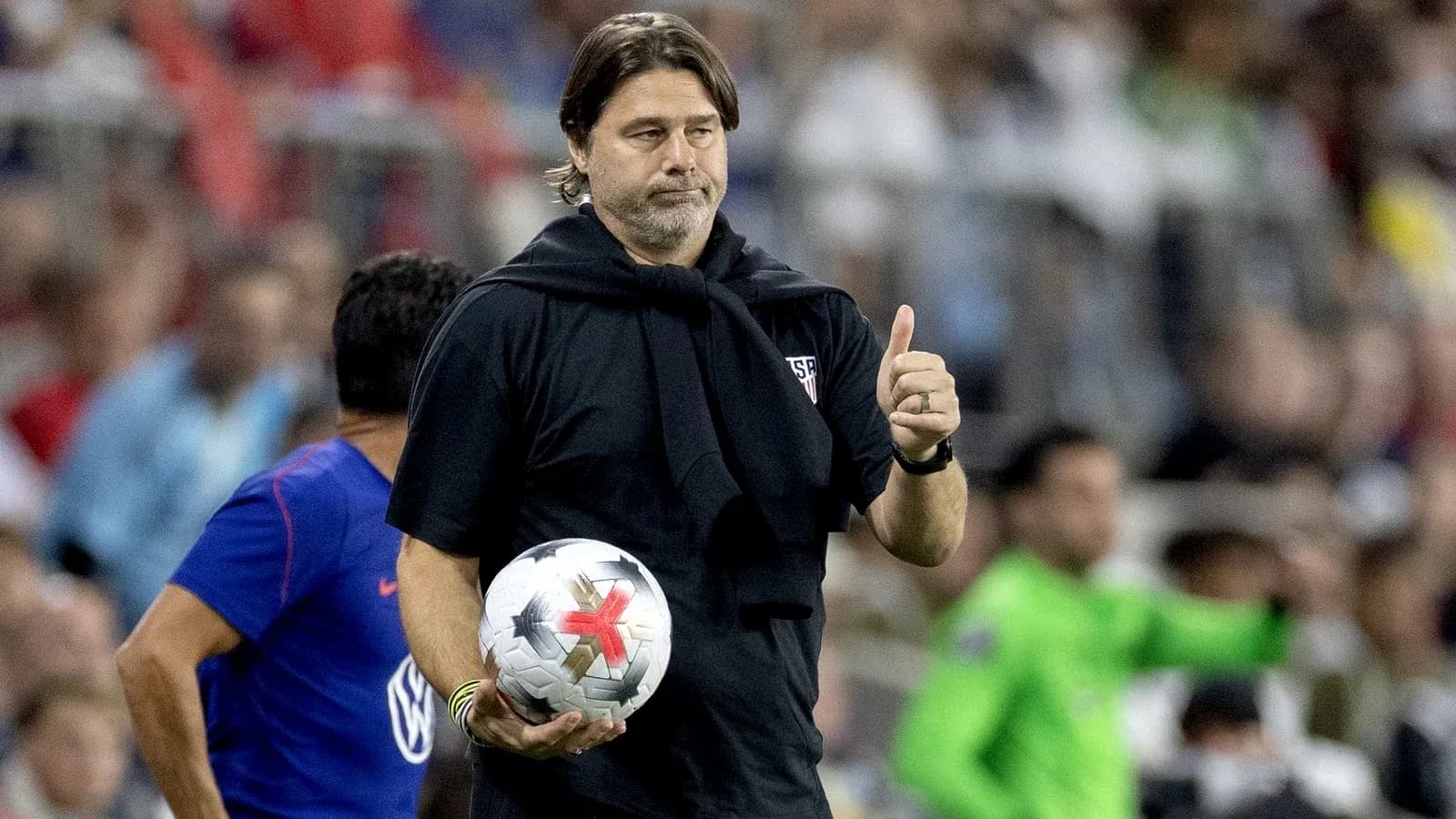
Pochettino will see out this international window with the US, taking charge of Concacaf Nations League games on Saturday and Tuesday, before flying into a crisis. His first match as United manager will be at Anfield next Sunday. No soft landing. Liverpool away, with United in the relegation zone.
United pull the trigger – and pay the price
Michael Carrick’s sacking on Thursday felt inevitable. One win in 11 games, a place in the bottom three and a team drifting without identity forced United’s hand. Once the decision was made, the club moved quickly and decisively.
Pochettino was the only candidate they seriously engaged. Names such as Eddie Howe and Julian Nagelsmann were noted but never advanced beyond that. United’s leadership group identified Pochettino as their first choice and never wavered, with Sir Jim Ratcliffe signing off the appointment this week.
The former Chelsea, Tottenham and Southampton manager has agreed a two-and-a-half-year contract, a relatively short horizon that reflects both urgency and risk. To get him, United have paid US Soccer about $10m (£7.5m), plus an additional fee for his long‑time assistants. It is a bold, expensive pivot away from the Carrick experiment towards a proven, high-level coach.
Inside Old Trafford, the attraction is obvious. United want his personality as much as his tactics. They believe Pochettino can rebuild a fractured dressing room, impose a clear philosophy and revive a culture that has eroded over the past decade. After gambling on an inexperienced figurehead in Carrick, they have swung back to an established builder of teams and players.
A sudden end to an American project
The timing is brutal for US Soccer. Pochettino only signed a new four-year contract in August, a sweeping agreement that expanded his control over youth development and the overall direction of the men’s programme. He had been hired in September 2024 to guide the US through their first home World Cup in 32 years. Two years later, that project is over.
His record with the US reads 21 wins, 12 losses and two draws, and he took the team to the last 16 of the World Cup. On paper, those numbers compare well with his predecessors. On the pitch, there were nights that suggested the ceiling could be higher than ever.
His US side delivered the best group stage in the nation’s World Cup history, highlighted by a 4-1 dismantling of Paraguay that will be remembered as their most complete 90 minutes at the tournament. The energy, pressing and attacking fluency in that game looked like the blueprint for a new era.
Then Belgium tore it up.
The 4-1 defeat in the last 16 did more than end a run; it stained reputations. The match was overshadowed by the handling of the red card controversy involving Folarin Balogun, a saga that damaged both the federation and Pochettino. Momentum vanished overnight.
There were other bruises. A shocking fourth-place finish in the 2024-25 Nations League. A painful Gold Cup final defeat to Mexico in 2025. Heavy losses in friendlies against top-tier opposition that exposed tactical and psychological gaps. Relationships inside the camp were not always smooth either. Pochettino struggled at times to connect with key figures, most notably Milan midfielder Christian Pulisic, while Juventus midfielder Weston McKennie drifted in and out of the picture.
Yet he does not leave behind a wasteland. Over his tenure, 75 players earned at least one cap. After signing his contract extension, he used a four-match international window to blood more than a dozen newcomers, going undefeated across those games. The foundations of a deeper, more competitive player pool are there for his successor.
On Friday, Pochettino spoke with warmth about his brief American chapter, calling the chance to represent the USA crest “one of the greatest honours” of his career and thanking the federation, players and fans for their support and belief. He pointed to the “tremendous talent” across the US system and insisted the country would always hold a special place in his heart.
For now, Steve Cherundolo will step up. The US U-23 head coach will lead the senior team’s December camp, which is expected to feature a squad built largely from Major League Soccer players while the federation plots its next move.
Anfield awaits – and a fractured United squad
Back in Manchester, the reset has already begun. Players not on international duty were told on Thursday they did not need to report back until next week, effectively creating a short pause before Pochettino walks through the door. With the US’s second game, against Haiti, finishing in the early hours of Wednesday GMT, his first full day at Carrington is expected to be Thursday.
He will inherit a club on edge and a dressing room that has not always kept its frustrations private. At the heart of it all stands Bruno Fernandes.
United’s captain has already turned down a second offer of a new contract. The club remain confident they can persuade the 32-year-old to commit, but the clock is ticking. His current deal runs to the end of the season, with United holding an option to extend by a further year. If that clause is not activated, Fernandes will be free to talk to clubs outside England in January. Interest from Saudi Arabia and Galatasaray has been there before and has not disappeared.
On the pitch, Fernandes is no longer the irresistible force of last season, when he won the Professional Footballers’ Association men’s player of the year award after helping United to third place in the league with a record-breaking 21 assists. His form has dipped, his influence has wavered and his frustrations have surfaced. After last month’s Champions League defeat by Como, he publicly criticised Carrick’s tactics, a flashpoint that underlined the fractures between players and staff.
Pochettino will need to address that dynamic immediately. He must convince Fernandes to buy in, rediscover his best level and, ideally, commit his future. Or he must be ready to reshape the team’s hierarchy if the captain chooses another path.
A familiar rescue mission, a different kind of pressure
This is not the first time Pochettino has walked into a club demanding resurrection. At Southampton and Tottenham he built high-intensity, progressive sides from unstable starting points. At Chelsea, he tried to bring order to chaos, with mixed results.
United is different again. The club’s global profile magnifies every decision. The league table leaves no room for drift. Liverpool away as a first assignment offers no grace period.
Yet this is the kind of stage Pochettino has long been linked with and, in truth, has probably craved. United have finally handed him the keys to a giant in distress. The question now is not whether he can stabilise them. It is whether he can turn survival mode into something worthy of the club’s history – and how quickly he can start that transformation on the unforgiving turf of Anfield.