Mauricio Pochettino Receives Contract Extension Offer from US Soccer
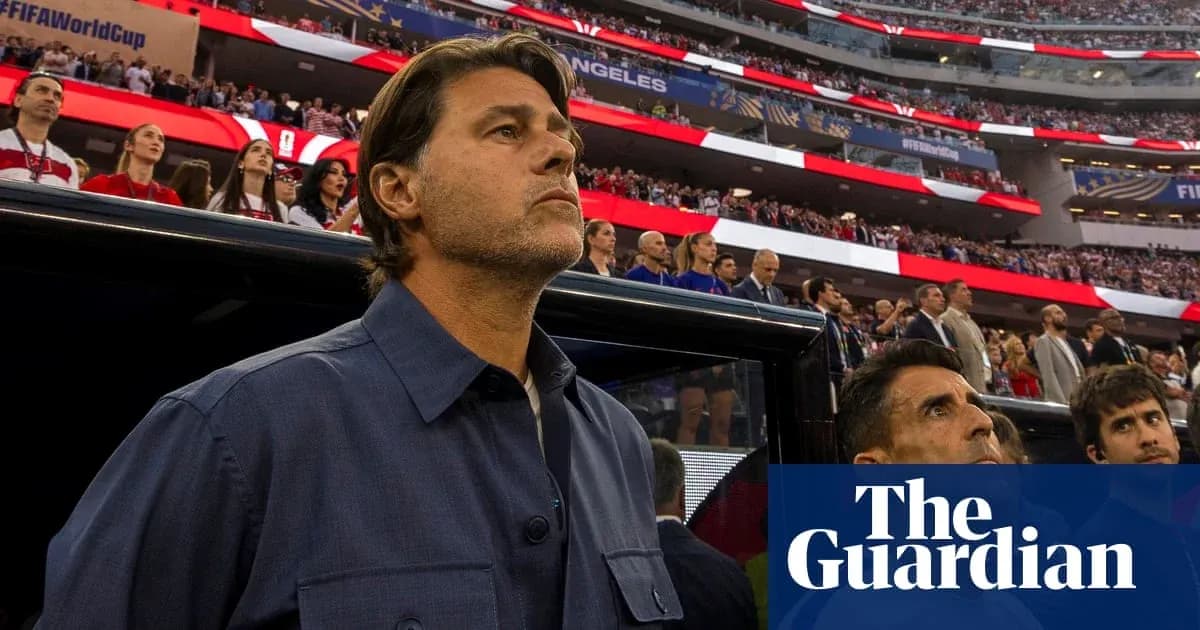
Mauricio Pochettino has been handed a clear message from US Soccer: this project is his to lead all the way to the 2030 World Cup, if he wants it.
Multiple sources confirm the federation has put a contract extension on the table that would keep the Argentinian in charge for another cycle, a bold move made in the middle of a World Cup run that has already rewritten a few lines of US men’s national team history.
A long courtship, now at decision time
This offer hasn’t appeared out of thin air. Talks between Pochettino and the US Soccer Federation have been ongoing for around three months, with both sides unusually open about the process.
US Soccer CEO JT Batson has not tried to hide the level of interest in his coach. Around late May, as reports emerged of Pochettino speaking with Serie A giants Milan, Batson acknowledged that the federation had fielded “many inquiries” about the 54-year-old’s availability.
Pochettino, typically guarded when the subject turns to his future, played down Milan’s approach. Batson did not.
“[Pochettino], and the entire team, has been incredibly transparent [through] the entire process,” Batson said in May. “He had standing offers from other places to come [when we hired him initially], and he wanted to be here. He’s a big believer in what we’re doing at US Soccer. He’s a big believer in soccer in America, and he’s a big believer in this men’s team.”
That belief is now being tested. Pochettino has been consistent on one point: no decision until after the World Cup. The federation has made its move; the timeline remains his.
A high-priced bet that’s paying off on the biggest stage
Pochettino arrived as one of the most expensive coaches in international football, and the numbers reflect that status. The most recent publicly available information places his salary at about $4m a year, with a bonus structure that can push that figure significantly higher.
For nearly two years, the returns have been uneven. Performances and results in his 22-month tenure have swung between encouraging and underwhelming, the kind of “mixed bag” that keeps talk shows busy and message boards divided.
The World Cup has cut through that noise.
Under Pochettino, the US have produced their best-ever group-stage performance at a World Cup. They brushed aside Australia and Paraguay to clinch top spot in their group with authority, then pushed already-eliminated Turkey in a hard-fought defeat that did little to dent the growing sense of momentum around this team.
The reward is a last-32 showdown with Bosnia and Herzegovina. By reaching the knockout stage, Pochettino’s side now sit just two wins away from matching the country’s best modern-era finish at a World Cup. For a coach whose suitability for the international game was questioned from the start, this tournament has become a powerful counterargument.
The Athletic first reported the news of the extension offer. The timing makes sense: the market knows what Pochettino can do, and US Soccer is trying to lock in its man before the rest of the world starts dialing his number again.
From short-term hire to long-term architect?
When Pochettino took the US job, many assumed it would be a short, intense stint: a club coach of his stature, untested internationally, parachuting in for a single World Cup cycle before returning to the week-to-week grind in Europe.
That narrative has started to shift.
“We told the federation we are open,” Pochettino said in a media roundtable this week. “But we don’t want to distract when all the energy needs to be with my players ... If the American people start to show passion in our sport too, why not be here being part of something that can create a legacy? For me, the most important legacy is the connection between the national team and the fans.”
There it is: legacy. Not a word you use if you see yourself as a short-term consultant.
US Soccer, for its part, is trying to build the kind of environment that can sustain a coach of his profile. The federation recently opened a $250m training facility in Atlanta, Georgia, a sprawling statement of intent about where it believes the sport is headed in the country.
The infrastructure is rising. The team is progressing. The coach is winning on the biggest stage. And yet, one question hangs over all of it.
Will Mauricio Pochettino decide that his legacy is here, in the growing noise of American soccer, or somewhere else in the global game that first made his name?