Michael Carrick Addresses Manchester United's Turbulent Times
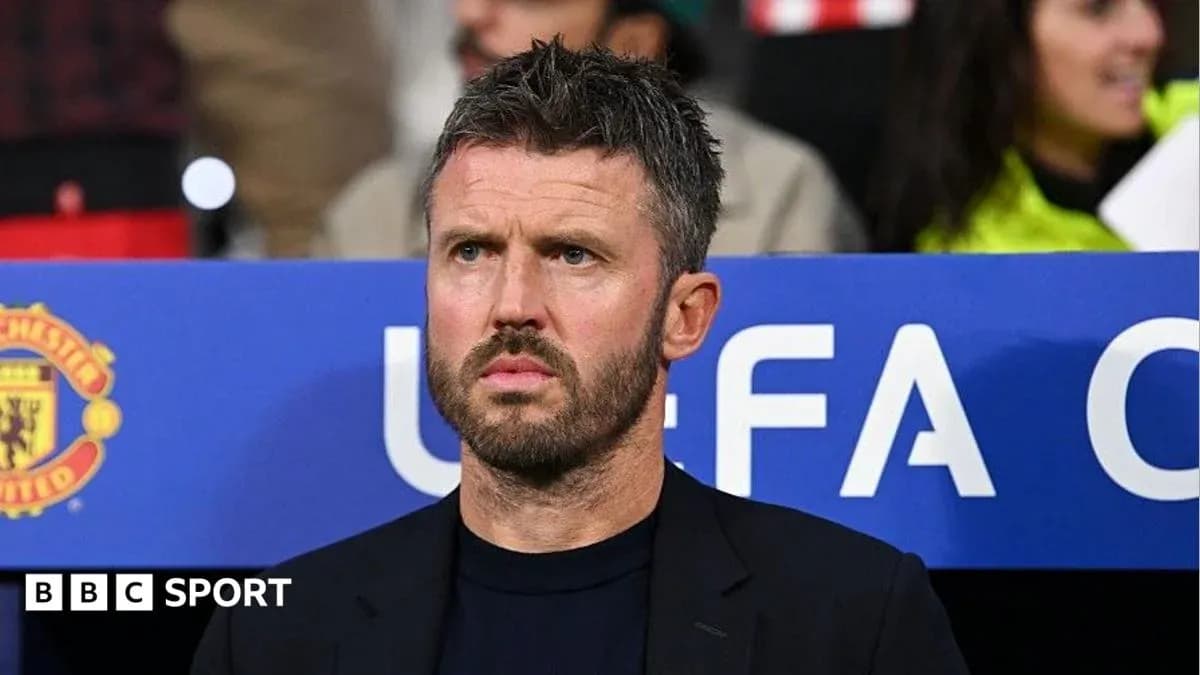
Michael Carrick sat down, took a breath and did something Manchester United managers rarely do. He opened a press conference with a five‑minute monologue that sounded less like spin and more like a confession.
“We’ve lost our way,” he admitted. “Respect this football club.”
This was not a man pretending everything is fine. This was a head coach under siege, fronting up.
A manager under fire, a club on edge
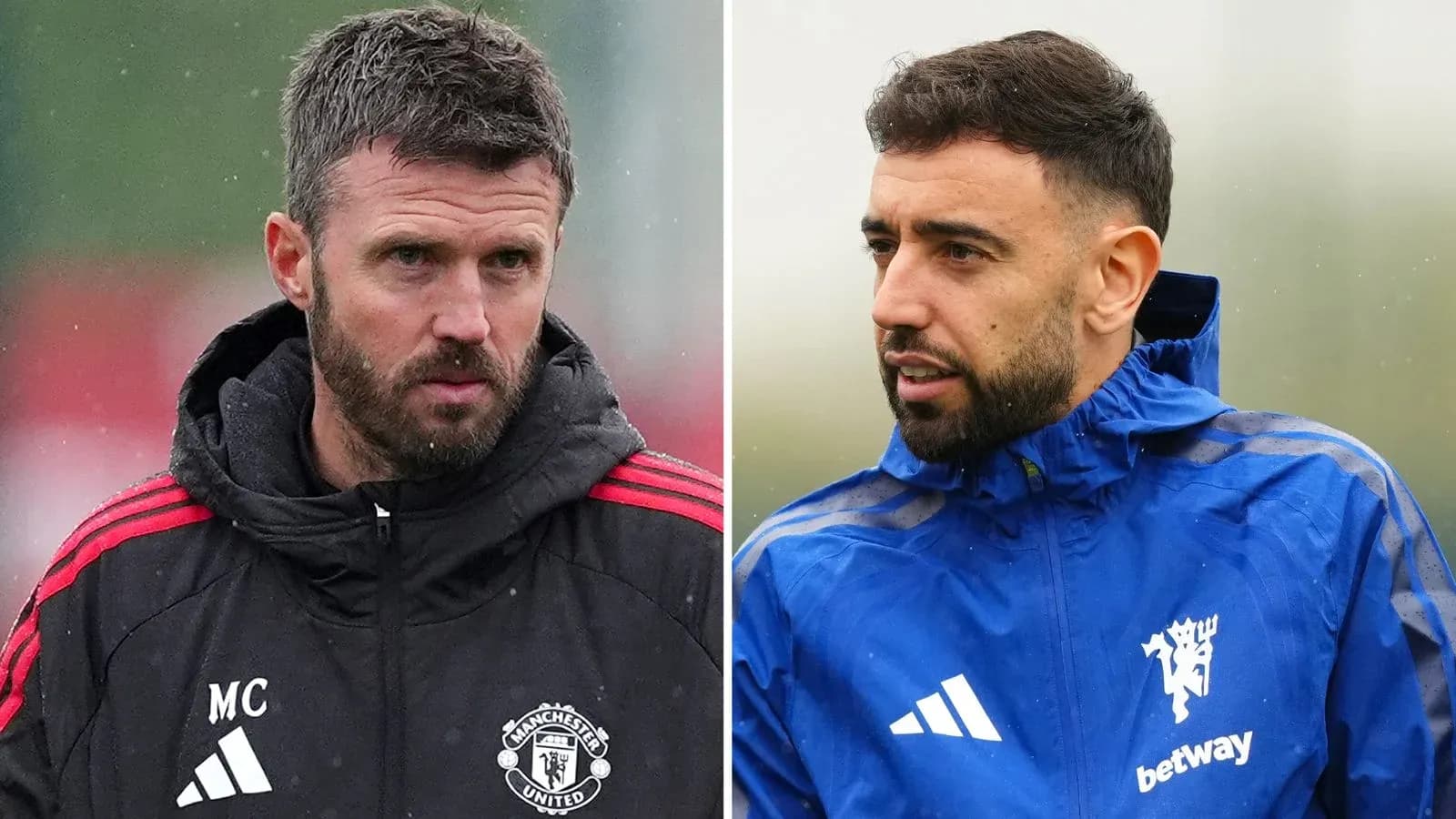
United are winless in seven games, their worst run since 2015. The slide has been ugly on the pitch and increasingly noisy off it. Captain Bruno Fernandes and defender Lisandro Martinez have both voiced their frustrations in public over the last fortnight, adding fuel to the sense of a club drifting into familiar turbulence.
Carrick, though, rejected the idea that the dressing room has turned on itself.
“It’s not divided,” he insisted. “We just need to get back to doing what we do best. And we will.”
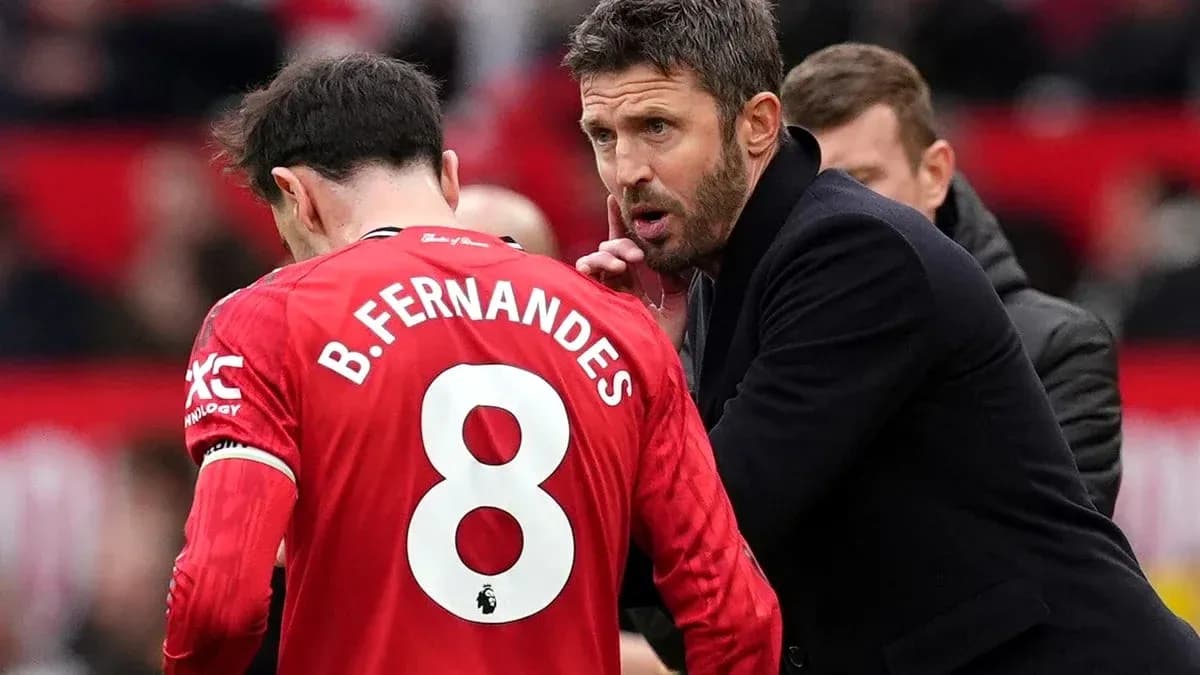
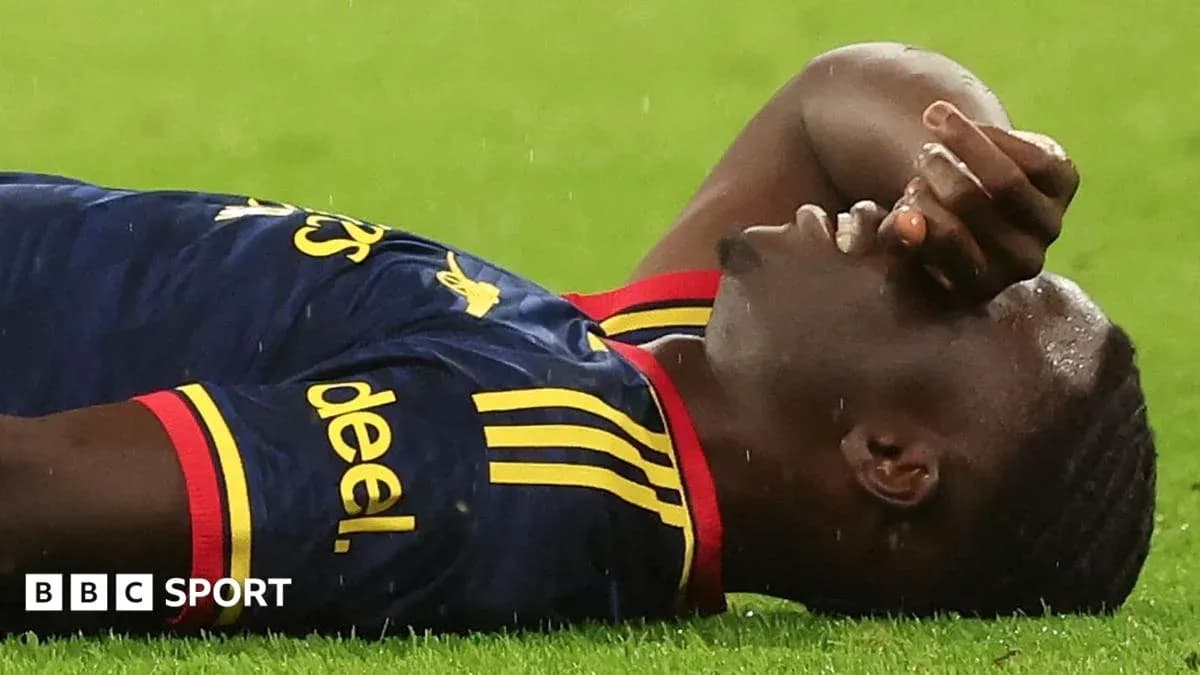
That conviction is being tested like never before in his tenure. A 4-1 humiliation at Como in the Champions League did more than damage United’s hopes in Europe; it tore at the fragile trust between players, staff and supporters. Fernandes went as far as questioning the tactics in the aftermath, a move hammered by former United players and pundits alike.
The obvious question followed: would Carrick punish his captain? Strip the armband, drop him, make an example?
“The most important thing for me is the team and the dynamics in the squad. It is about the football club,” Carrick replied. “Whatever the situation is I will always do what is best for the football club.”
No grand gesture. No public rebuke. No capitulation either. He refused to say whether he had spoken directly to Fernandes, keeping that behind closed doors, but confirmed he has been in contact with the club’s hierarchy, who are understood to be increasingly anxious about results and performances.
“It is pretty obvious how we are all feeling,” he said. “The responsibility for me to be in this position is to lead. It is my responsibility what goes on the pitch.
“I will hold that umbrella for me to get wet and everyone else to stay dry. That is the privileged position I am in.”
“We’ve kind of lost our way”
Carrick’s opening statement was raw. Not polished, not defensive, but pointed.
“Recently we haven’t had a good time, that’s pretty obvious,” he began. “We haven’t done well enough lately… Wednesday was a bad night, it was a bad night for a lot of reasons and it was a bad night that hurt a lot. It hurt me to see us play that way.”
He circled back, again and again, to the supporters. To their money, their time, their effort. To their anger.
“For me to see the supporters have to make the effort and the time and spend the money to come and support us on Wednesday and have the feeling after the game, like we all felt, was a tough moment.”
His job, he said, is simple in theory and brutal in practice: put a team on the pitch that looks like Manchester United.
“My responsibility is to get a team on a pitch that represents this football club, represents the supporters and they can be proud of it with the identity that we show. We have gone away from that just recently in certain games, which I’m totally fully aware of and definitely doing something about.”
The word “identity” hung over the room. For five months, Carrick argued, United had it. Intensity. Connection. “Enjoyment and passion.” That spell feels a long time ago now.
“We’ve kind of lost our way a little bit if I’m totally honest and we’ll get it back. I’m totally confident we’ll get it back.”
Confidence is one thing. Evidence, right now, is another.
Leaning on the giants
When managers are under pressure at Old Trafford, the ghosts of the greats tend to be summoned. Carrick did not hide from that history; he embraced it.
He spoke of “the foundation” and “values” of the club – humility, hard work, resilience. Not as clichés, but as non‑negotiables.
“There’s a resilience about this football club that’s been shown for a long time. Whether that’s bouncing back from adversity, comebacks, late goals, success, sustaining success, there’s a resilience in this football club that runs very deep.”
He name‑checked Ryan Giggs, Wayne Rooney, Sir Alex Ferguson, Sir Matt Busby, Sir Bobby Charlton. Not to bask in their glow, but to underline a point: it was never about individuals.
“Manchester United is always bigger and always has been, always will be bigger than any single individual. Bigger than me, bigger than any of the players and it always has been.”
Rooney, he said, sacrificed for the team. Giggs, one of the greatest to wear the shirt, understood it was about the club. Ferguson’s priority, always, was Manchester United.
Carrick leaned on that lineage as both shield and standard. He knows what those names represent, and he knows how far his current side are from that level of authority.
No entitlement, no excuses
The most striking part of his address came when he cut through any notion that United’s past guarantees its future.
“I’m not entitled to be here, entitlement cannot be at this football club, we’re not entitled to win,” he said. “We’ve won in the past, we’ve got an incredible history but that doesn’t mean that you’re entitled to just win.”
It was a message to his players as much as to anyone listening. Invest yourself. Sacrifice. Do “a lot of things that maybe aren’t so nice” for each other. Win the right way, or don’t expect to win at all.
“We’re in a moment where it’s not gone well so we need to show exactly what it means. Respect this football club, what it takes to be here, what it takes to win, what you have to do to win.”
The rhetoric was powerful. The question is whether the dressing room still buys it.
Carrick insists he will not allow those values to slip.
“Again, it was based on being humble, having humility and hard work and we can never lose that and I won’t let us lose that,” he said. “It inspires me a lot to live up to that and keep driving that with the players and the group that we’ve shown for a good period of time and that we’re capable of it.”
A brutal run that will define him
Talk is one thing. The fixture list is another.
United face Bournemouth at Old Trafford on Sunday, a game that suddenly carries the weight of a referendum on Carrick’s authority. After that, it does not ease up: Chelsea away, Roma at home in the Champions League, Aston Villa at Old Trafford, then Liverpool at Anfield.
Seven without a win has already dragged this into crisis territory. Stretch that run across this next block and the conversation may move beyond dressing‑room unity and into the realm of inevitability.
Carrick, for his part, is not flinching publicly. He sees himself as the one holding the umbrella, taking the storm so his players can perform.
“Respect this football club, respect what it takes because it’s very, very important to me,” he said, drawing a line under his statement.
The words landed. The room felt the weight. Now comes the only judgment that matters at Manchester United: will his team finally start to play like they mean them?