Michael Carrick's Resilience Amidst United's Struggles
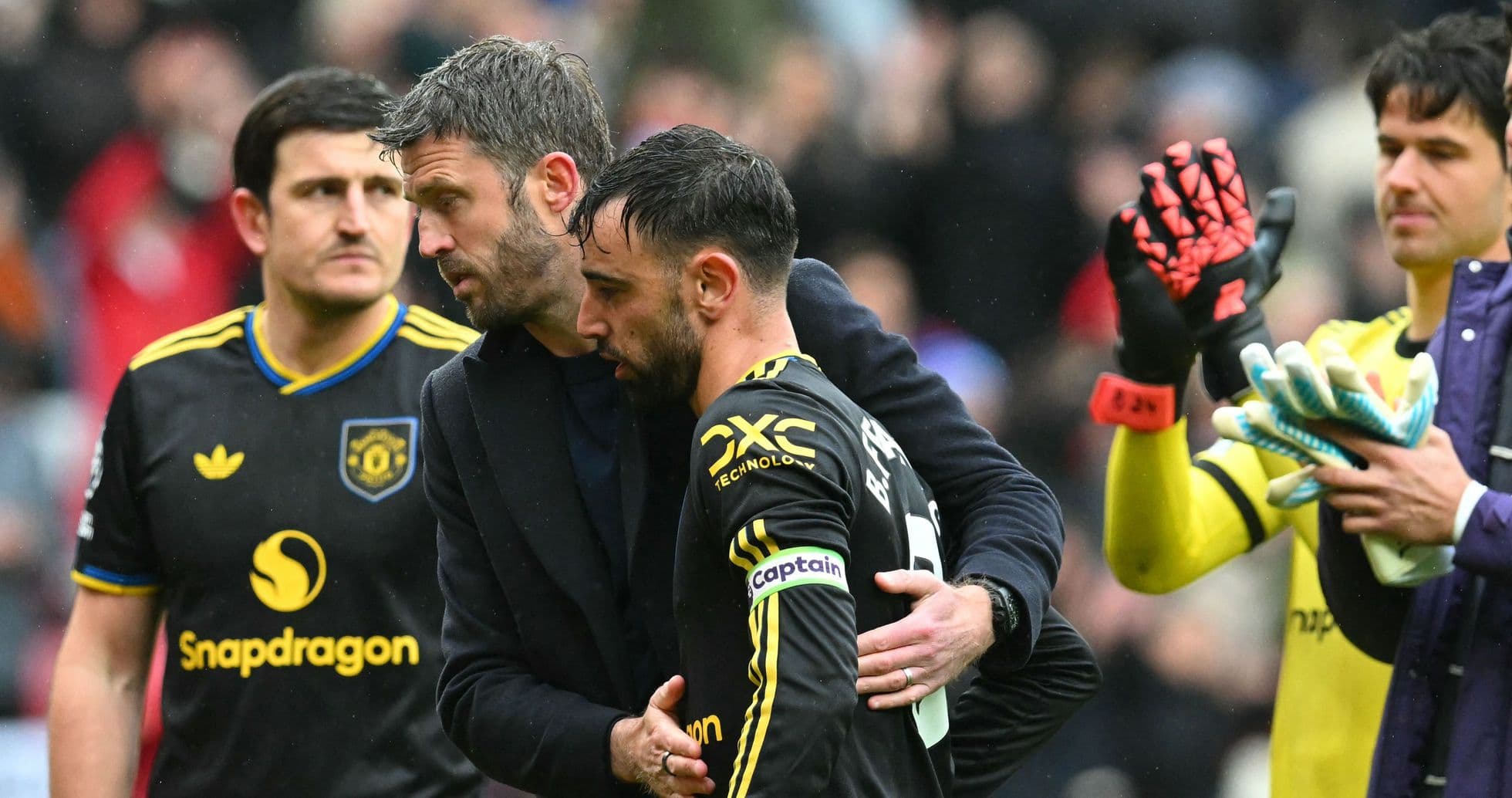
Michael Carrick bristled. The suggestion that his players had “gone to the beach” after securing Champions League football did not just irk him; it hit a nerve.
Seven days on from an emotionally charged, top-four-clinching win over Liverpool, United turned up at the Stadium of Light looking nothing like a side still riding that high. Sunderland were sharper, hungrier and, for long stretches, superior. United, heavy-legged and disjointed, clung to a point.
They did so thanks largely to Senne Lammens. The goalkeeper stood between Sunderland and a statement win, bailing out a team that never quite found its stride. While the outfield players struggled to match the home side’s intensity, Lammens’ interventions underlined just how much United needed him.
That, in Carrick’s eyes, was the story: not a team easing off after ticking off their primary objective, but one that refused to crack when the performance dipped.
He pushed back hard at any hint of complacency. Questioning his players’ professionalism, he suggested, missed the reality of their week and their work. Preparation had been thorough. The dressing room, he insisted, had not treated this as a dead rubber. The way they defended, the way they dug in when Sunderland pressed, was his proof that the mentality remained intact.
Carrick argued that if the mindset had slipped, United would have lost. Sunderland, he acknowledged, played really well in spells and forced his side into uncomfortable territory. United bent. They did not break.
For the manager, the badge still matters. The history and scale of the club, he maintained, do not allow players to coast through the run-in just because the league table looks favourable. Pride, responsibility, the weight of representing United – that, he said, is the constant that drives standards, even on afternoons when the football is laboured and the rhythm never quite arrives.
It did not arrive here. United’s attacking threat was almost non-existent. Robin Roefs had virtually nothing to do until the 93rd minute, when Matheus Cunha finally forced him into a save. One effort on target, deep into stoppage time, told its own story about how blunt Carrick’s rotated side had been.
Carrick, though, chose to lean into the grit rather than dwell on the lack of guile. A clean sheet. A point. A group patched together, still learning each other’s movements, still finding its timing. For him, that resilience under strain is part of the character he wants to embed.
He did not dress the display up as anything more than it was. This was a tough game, as he had expected. Sunderland made them suffer, and United had to scrap their way through periods when they could not keep the ball or control the tempo. The changes to the line-up disrupted the fluency, and it showed.
Yet Carrick saw value in the struggle. When a team plays badly and still emerges with something, managers take note. He spoke of a foundation being laid – not a finished product, but a base from which performances can grow in the final weeks.
No swagger, no flourish, no sense of a side already dreaming of next season’s Champions League nights. Just a hard, colourless point that Carrick will treat as a test passed in a different way.
If this is United on the beach, they are choosing sand, sweat and grind over sun loungers. The real question now is whether that resolve can turn back into rhythm before this season runs out of games.