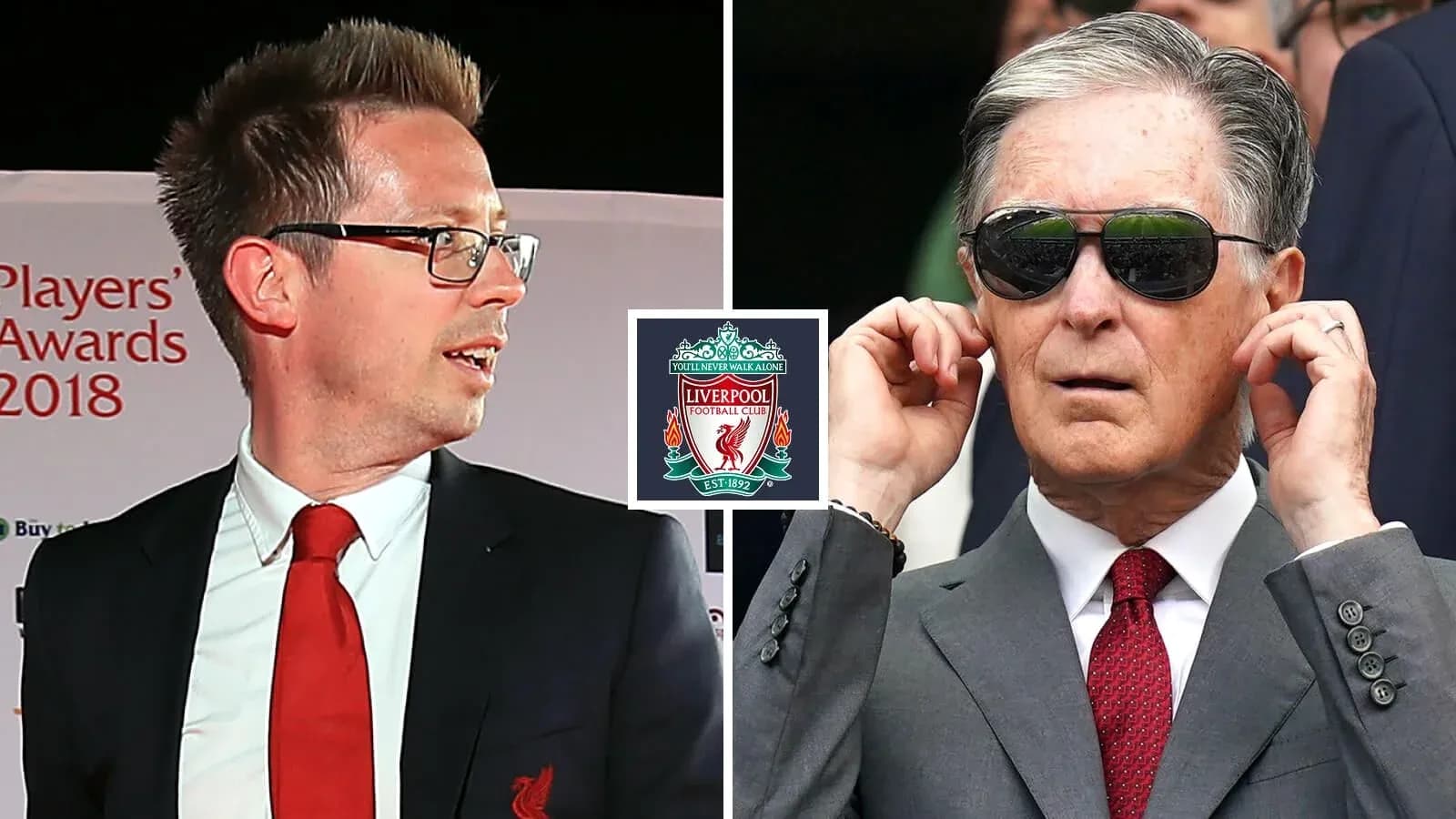
Michael Edwards Leaves Liverpool: A Vision Unfulfilled
Michael Edwards’ second Liverpool era is over before it ever truly became what he wanted it to be.
The architect of so much of the club’s modern success is leaving his role as Fenway Sports Group’s CEO of football before the start of next season, with FSG president Mike Gordon stepping back in to take charge of football operations rather than an external replacement being sought.
This is not a routine reshuffle. It’s the end of a project that never got off the ground.
Vision promised, vision denied
When Edwards returned to Liverpool in 2024, it was not to reprise the job that made his name. He had already done the sporting director role, already helped build a Champions League and Premier League-winning side under Jurgen Klopp. The lure this time was different: the chance to design and drive a multi-club model for FSG.
That model never arrived.
FSG explored options. Bordeaux were considered. Getafe were examined. But the momentum stalled. By March, The Athletic’s Liverpool correspondent James Pearce was reporting that FSG had “effectively shelved plans to buy a second club”, leaving Edwards “frustrated by the impasse”.
The frustration never really lifted. According to Pearce, Edwards informed the FSG hierarchy last autumn that he would be leaving, once it was clear the ownership group would not be expanding their football portfolio. He stayed on to support sporting director Richard Hughes, but the job he was doing no longer resembled the one he had signed up for.
As Ben Jacobs reported, the role “became very different to the one he’d been promised”. At that point, his exit felt less like a surprise and more like a delayed inevitability.
A key figure in a golden era
Edwards’ importance to Liverpool’s resurgence is not in doubt. Before his first departure in 2022, he served as sporting director and played a central role in the recruitment that underpinned Klopp’s era: smart buys, timely sales, a clear strategy that turned potential into trophies.
FSG know exactly what they are losing. In a statement, Edwards called it “a privilege to return to Fenway Sports Group and Liverpool Football Club at such an important moment” and said he leaves believing the club is “in a strong position, with outstanding people, a clear direction and the foundations in place for continued success.”
Gordon, who will now resume control of football operations, was even more explicit about Edwards’ impact. He hailed an “extraordinary contribution” across both Liverpool and FSG, highlighting the way Edwards helped guide the club through a period of transition and played a part in securing a historic 20th English league title.
Those words underline the paradox of this departure: Liverpool, on the pitch, have come through turbulence to reach a landmark; off it, the man tasked with shaping the next evolution has walked away because the broader project never materialised.
Control returns to Gordon
There will be no grand search for a new CEO of football. No new powerbroker arriving from outside. Pearce reports that FSG do not intend to appoint an external replacement, with Gordon set to resume direct control of running their football operations.
It is a familiar arrangement. Gordon has long been a central figure in Liverpool’s strategic decisions, especially during the Klopp years. His return to the frontline suggests FSG favour stability over reinvention at a moment when the club has already weathered managerial change and a testing campaign that ended with Arne Slot’s dismissal after a poor 2025/26 season.
Edwards and Hughes are under contract until 2027, but contracts rarely tell the full story in football. Slot’s exit proved that. Edwards’ departure confirms it again.
A project unfinished, a market alerted
Strip away the polite statements and the picture is clear: the multi-club vision that tempted Edwards back simply did not happen. Once the plans to buy Getafe stalled, the trajectory was set. The portfolio stayed at one club. The CEO of football who wanted to build something bigger found himself managing something smaller.
That kind of executive doesn’t stay short of offers for long.
Jacobs reports that Edwards is expected to be in demand and is unlikely to take another extended break from the game. Clubs and ownership groups looking to modernise their structures, or launch the kind of multi-club network he never got to build at FSG, will have noted both his track record and his frustration.
Liverpool, meanwhile, move on with Gordon at the helm and Hughes still in place. The squad is strong, the title count stands at 20, and the foundations, as Edwards himself said, are solid.
But the bigger question lingers over FSG’s ambitions. Is this the moment they quietly step back from the multi-club race sweeping through modern football? Or the pause before someone else, somewhere else, hands Michael Edwards the blank canvas he was promised on Merseyside and never truly received?