Mircea Lucescu: A Legendary Figure in Romanian Football
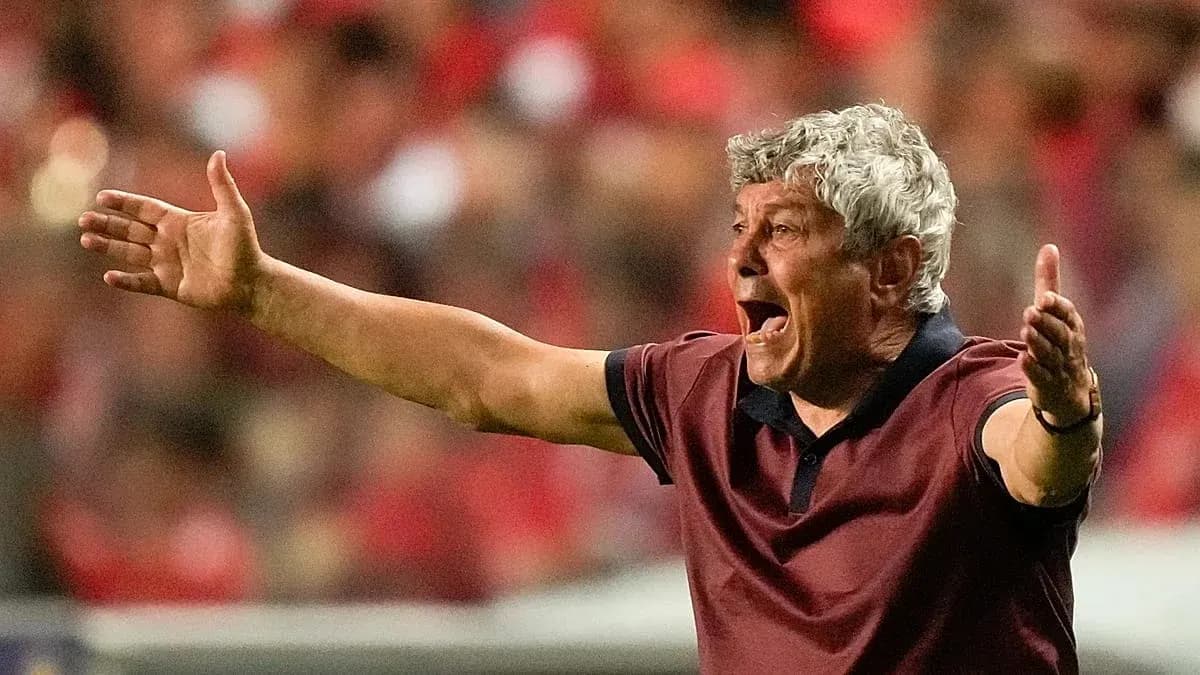
Mircea Lucescu, one of Romanian football’s defining figures and a relentless collector of trophies as both player and coach, has died at the age of 80.
His death was confirmed on Tuesday by Bucharest University Emergency Hospital, where he had been admitted after reportedly suffering a heart attack on Friday morning. The hospital described him not just as a serial winner, but as a national symbol whose image shaped “entire generations of Romanians.”
For Romania, Lucescu was more than a name on a teamsheet or a face on a touchline. He was the man who captained his country at the 1970 World Cup, then later guided the national team to the European Championship, breaking ground as the first coach to qualify Romania for the tournament in 1984. That achievement alone would have secured his place in the country’s sporting history. He refused to stop there.
His coaching journey became a long, sweeping tour of European football. Lucescu managed clubs across the continent, building sides, reshaping dressing rooms, and lifting trophies with a consistency that turned him into one of the game’s most respected itinerant coaches. Wherever he went, success tended to follow.
The pull of home never faded. After nearly four decades away from the national job, he returned for a second spell with Romania, taking charge again in a bid to drag his country back to the World Cup. It was a bold, emotional step: a revered elder statesman stepping once more into the storm.
The task proved brutal. Three days before his death was announced, Romania’s World Cup hopes ended with a playoff defeat to Turkey. The setback cut deep. On Thursday, Lucescu stepped down after falling ill during training, his second tenure ending not with a celebration but with a physical toll that hinted at the seriousness of his condition.
Even so, his legacy remains anchored in moments of breakthrough: a captain leading Romania on the world stage in 1970, a coach taking them to the Euros in 1984, and a career spent exporting Romanian football intelligence across Europe’s leagues.
He leaves behind a record of titles and milestones, but also a powerful idea: that one man, over decades, can shape a nation’s footballing identity and still feel compelled, at 80, to come back for one more qualifying campaign.