Mirra Andreeva Wins WTA Finals: A New Era in Women's Tennis
Mirra Andreeva stood on the baseline at 5-4, serving for the first set, and the old script threatened to return. Double fault. Another double fault. Then two wild errors. In the space of four points, an apparently routine set had been thrown away.
For much of her short career, that kind of spiral has dragged the 19-year-old into full-blown collapse. Not this time. Not this version of Mirra Andreeva.
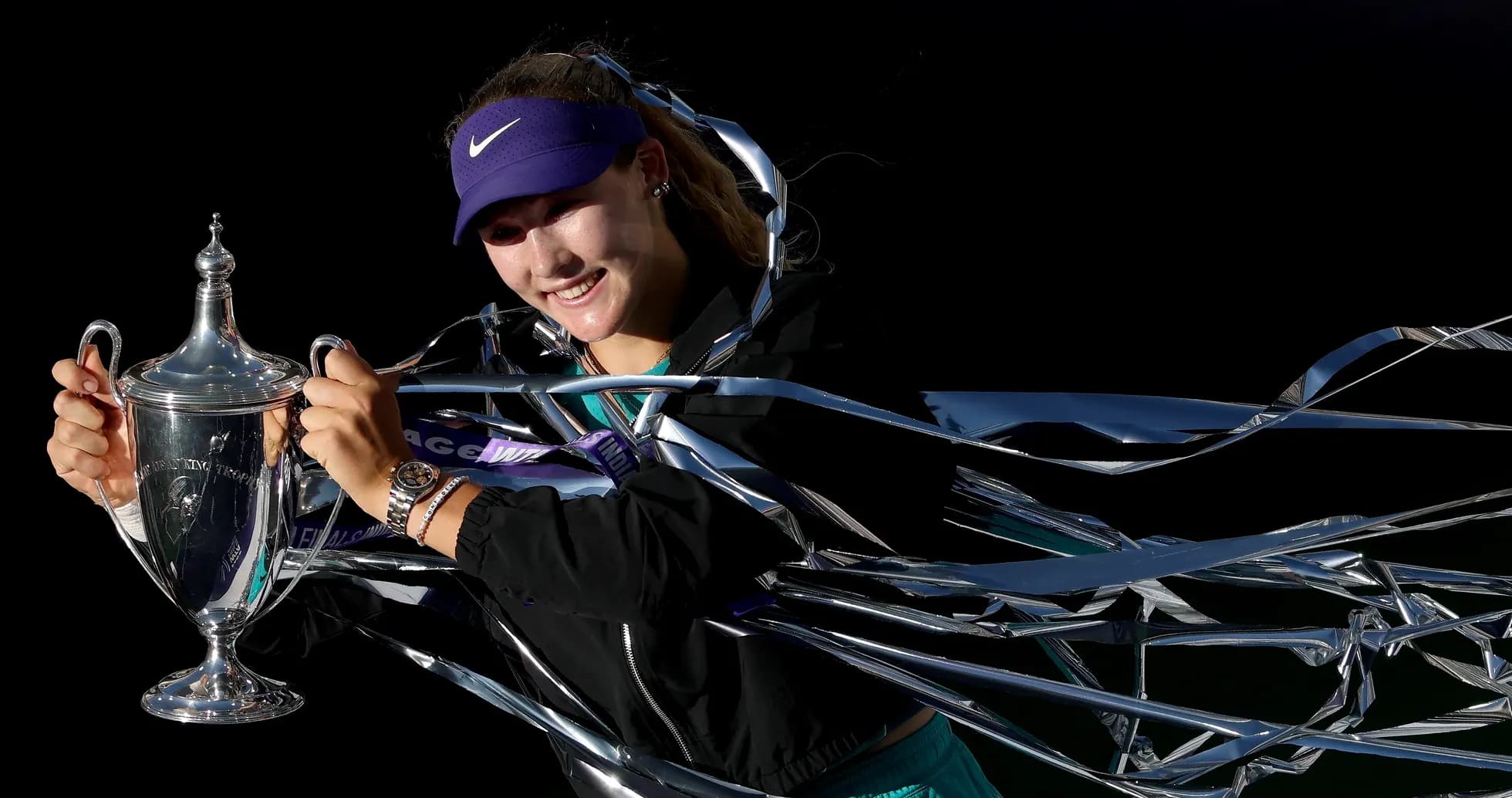
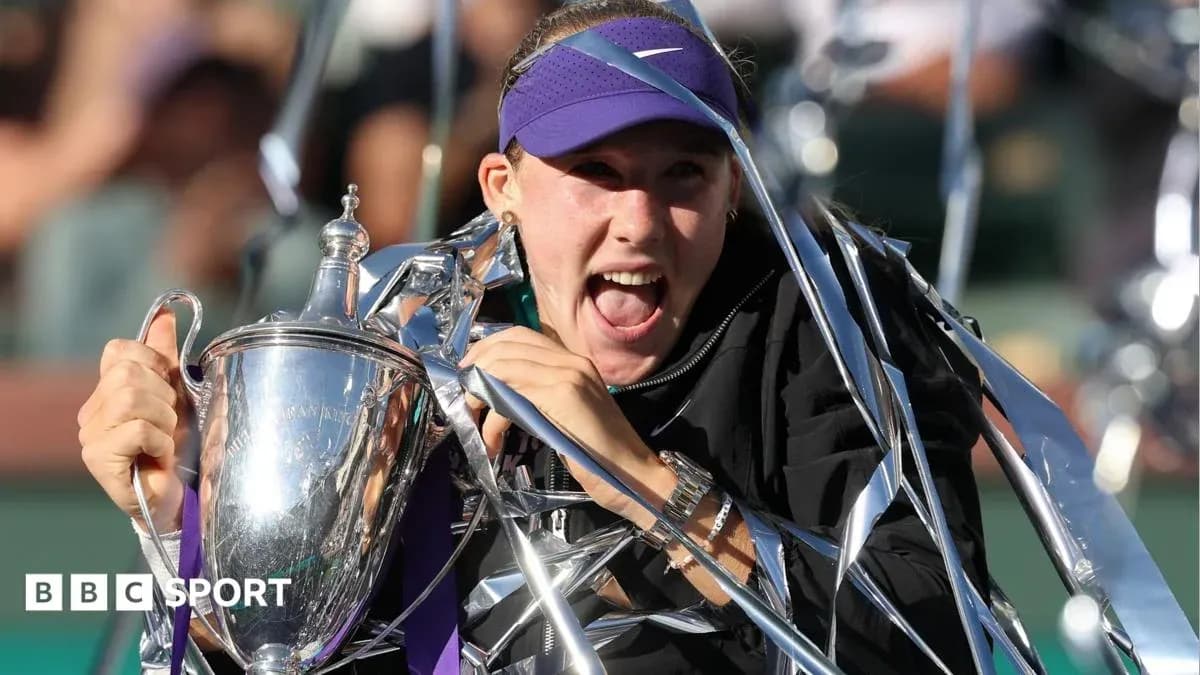
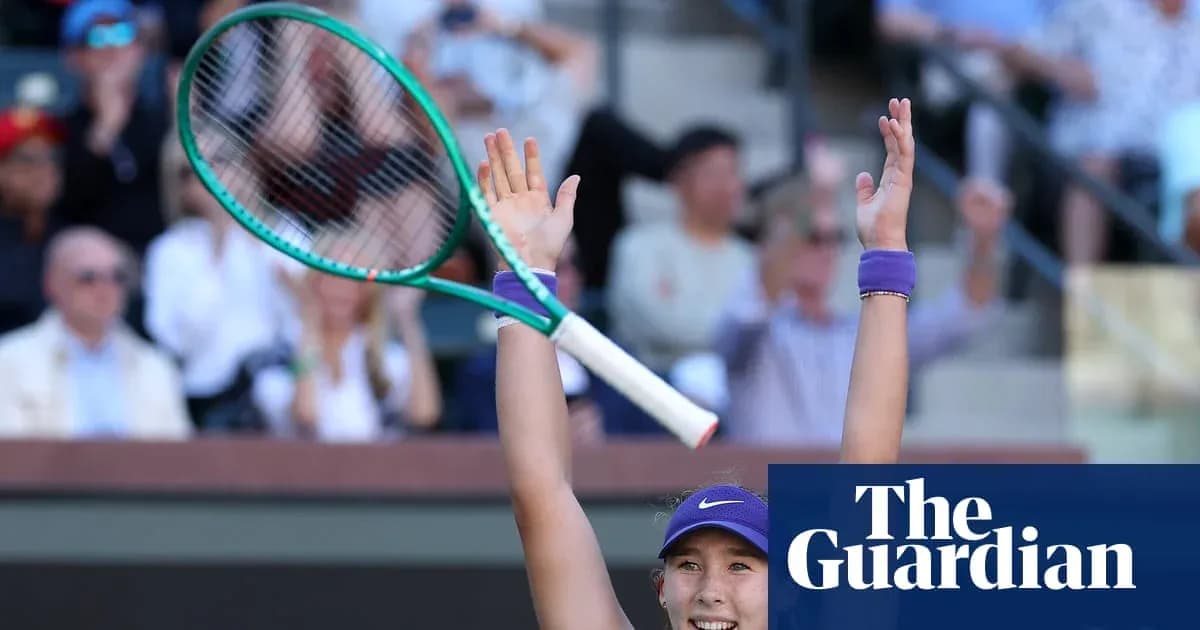
She walked back to her chair without a tantrum, without a glare at her box, without a racquet slam. When she returned, she simply broke straight back, reset the tone of the final and never let it go again. A few games later, she was dropping to her knees as WTA Finals champion in Indian Wells, beating Elina Svitolina 7-5, 6-3 to cap the defining season of her young life.
From volatility to ruthlessness
The numbers alone are staggering. First WTA Finals title. First grand slam crown earlier this year at Roland Garros. A surge to a career-high No 2 in the rankings, only 293 points behind world No 1 Elena Rybakina, who opens 2027 by defending her Australian Open title. Andreeva now starts the new season stalking top spot with the kind of momentum every player dreams of.
Her company at this event is even more telling. Andreeva became only the third player to win the WTA Finals without dropping a set, joining Serena Williams and Iga Swiatek. She is also just the third teenager to win the title on debut, after Chris Evert and Maria Sharapova. These are not casual comparisons; they are the names that define eras.
“It feels amazing to be part of this amazing group of people. I’m super privileged to put my name in that group,” she said on court, thanking a team that, in her words, “pushes me to my limits” and forces her to work when she “doesn’t want to do anything”. The talent has always been obvious. The steel is new.
Eight months ago, on these same Indian Wells courts, she left in tears and fury, screaming “fuck you all” towards the crowd after a second-round defeat to Katerina Siniakova at the WTA 1000 event. The game was already there: the variety, the court sense, the athleticism. What was missing was the ability to stay calm when the match turned against her.
This week, that emotional fault line barely flickered. Serving for the opening set in the final and imploding for four straight points would once have detonated her entire evening. Instead, it became a footnote.
A final with layers
The match itself carried more weight than just a season-ending title. A Russian and a Ukrainian in a major final in 2026 comes with unavoidable political context. As she and her compatriots have done since Russia’s invasion of Ukraine in 2022, Svitolina chose not to shake hands with her opponent or pose for joint trophy photos.
The ceremony required careful choreography. After her runner-up speech, Svitolina left the stage and sat courtside. When Andreeva later praised Svitolina’s tournament and season, the Ukrainian acknowledged her with a nod, a small but visible response in a carefully managed space.
On court, though, the dynamic was simple: one player at her physical and tactical peak, another trying to hang on. Andreeva had already dismantled Svitolina 6-4, 6-0 in the opening round-robin match on Monday, a result that set the tone for her march through the draw. The final was more competitive, yet it still felt like Andreeva’s match from the moment she steadied after that late first-set wobble.
Once she snatched back the break and closed out the opener 7-5, the pattern hardened. She dictated with her variety, changed pace and height, and pulled Svitolina around the baseline. The Ukrainian fought, as she always does, but the teenager’s composure under pressure – the very quality that had deserted her so often – held firm. A single break in the second set proved enough. She served it out with the assurance of a player who now expects to win these matches.
A Mercedes, a licence, and a different kind of motivation
The title came with more than ranking points and prestige. Andreeva also left Indian Wells with a brand new Mercedes, a gleaming symbol of success that she cannot yet legally enjoy.
Billie Jean King, handing over the trophy, asked the obvious question: can she drive? Andreeva admitted she still does not have a licence. The car, she joked, might speed that process up.
“This is an amazing motivation for me to get my drivers licence as fast as I can,” she said. She still wants to “give it a little spin, at least a couple of metres,” but if that fails, she pointed to her entourage and laughed: “I have one, two, three, four, five people in my team who will drive and I can be a passenger princess for life.”
It was a light moment that underlined how much has changed. The teenager once overwhelmed by her own emotions is now laughing on the biggest stage, trophy in hand, talking about driving lessons.
A week that changes everything
This was Andreeva’s fifth straight statement performance in Indian Wells, a flawless run that has redefined what the next few years in women’s tennis might look like. She leaves the desert not just as a champion but as the most serious active threat to Rybakina’s position at the top of the sport.
Her evolution has been rapid and public. The meltdown in March. The major title in Paris. The controlled dominance here. Now comes the hardest part: turning a breakthrough year into a standard, not an exception.
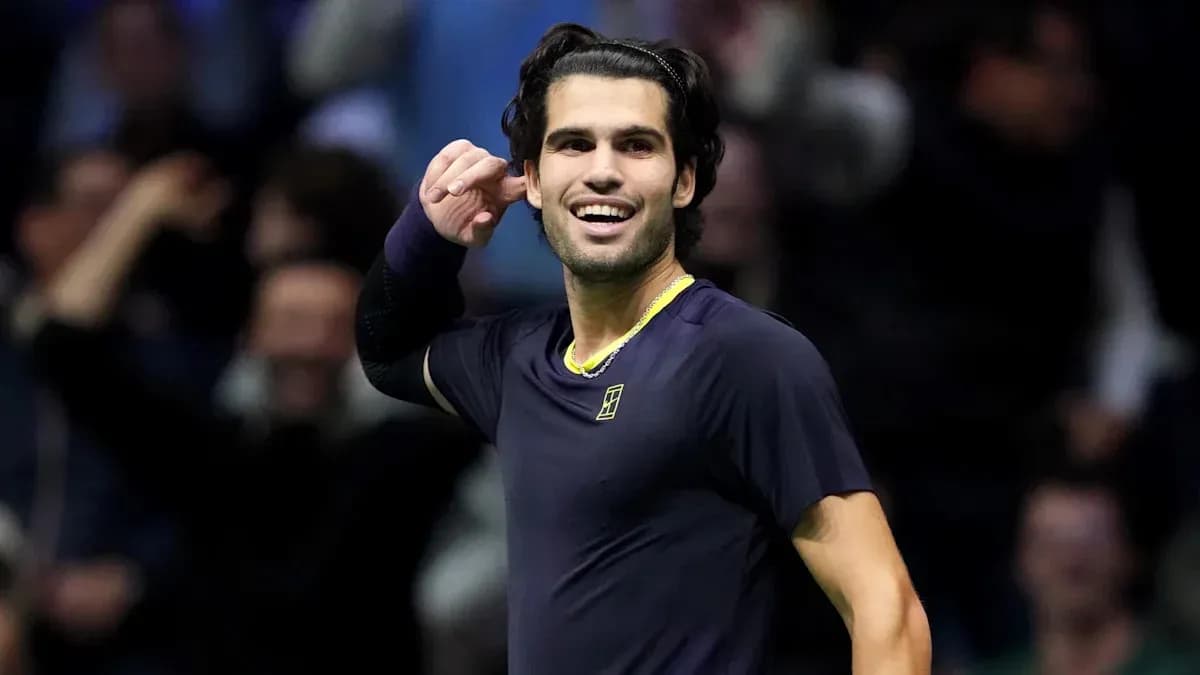
Elsewhere, the men’s season-ending showpiece opened with authority from the top seed. World No 1 Alexander Zverev began his ATP Finals campaign in Turin with a 6-4, 6-4 win over Rafael Jódar, a solid, businesslike start. Third seed Ben Shelton then edged an intense, heavy-hitting battle with close friend Arthur Fils, the sixth seed, 6-2, 3-6, 6-3.
But the week belongs to Andreeva. The rankings will say No 2 when the new list is published. Her tennis, and her temperament in this arena, suggest she is aiming higher than that.