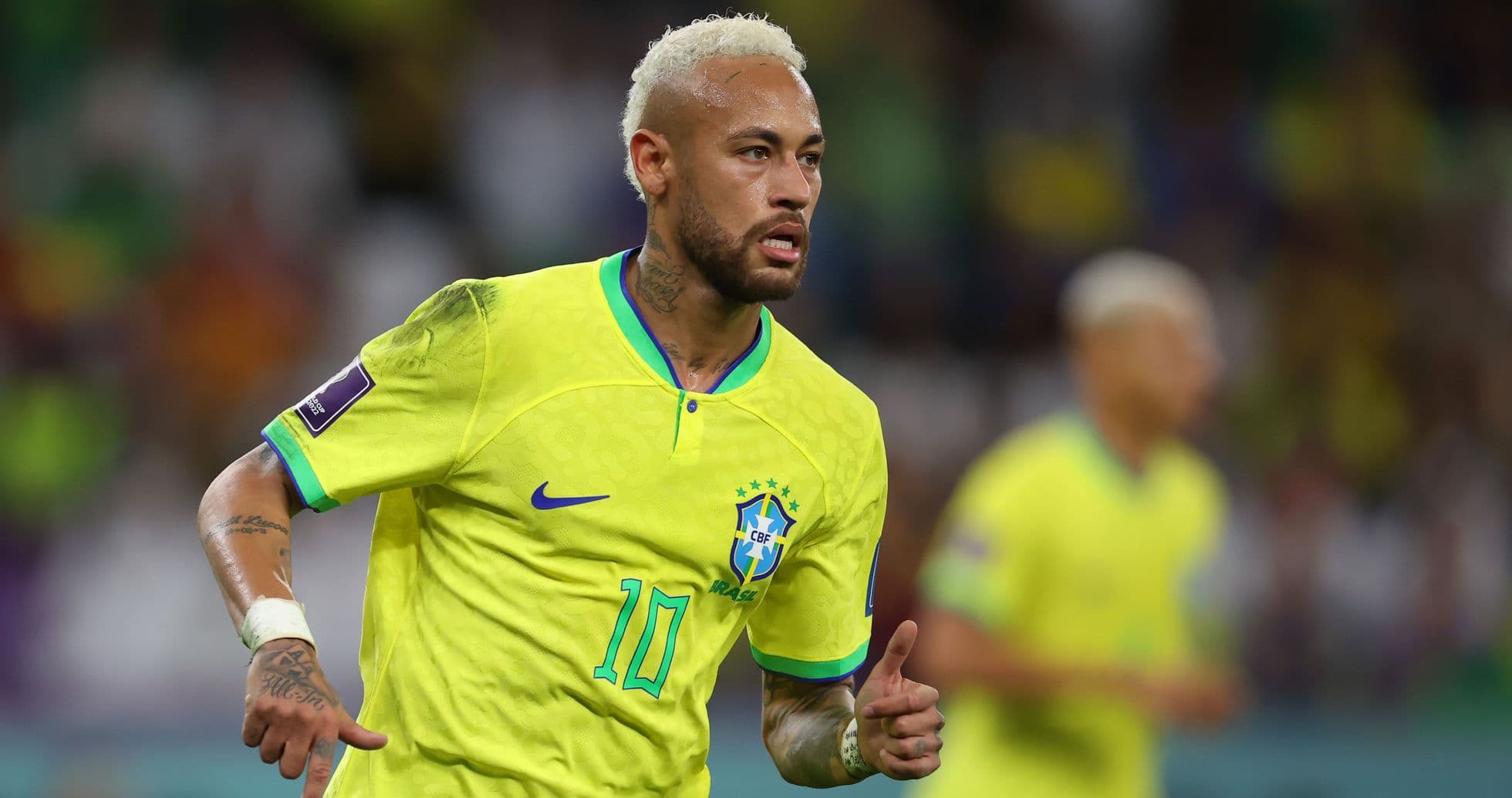
Neymar's Return to Brazil's World Cup Squad: A Love Letter or a Mistake?
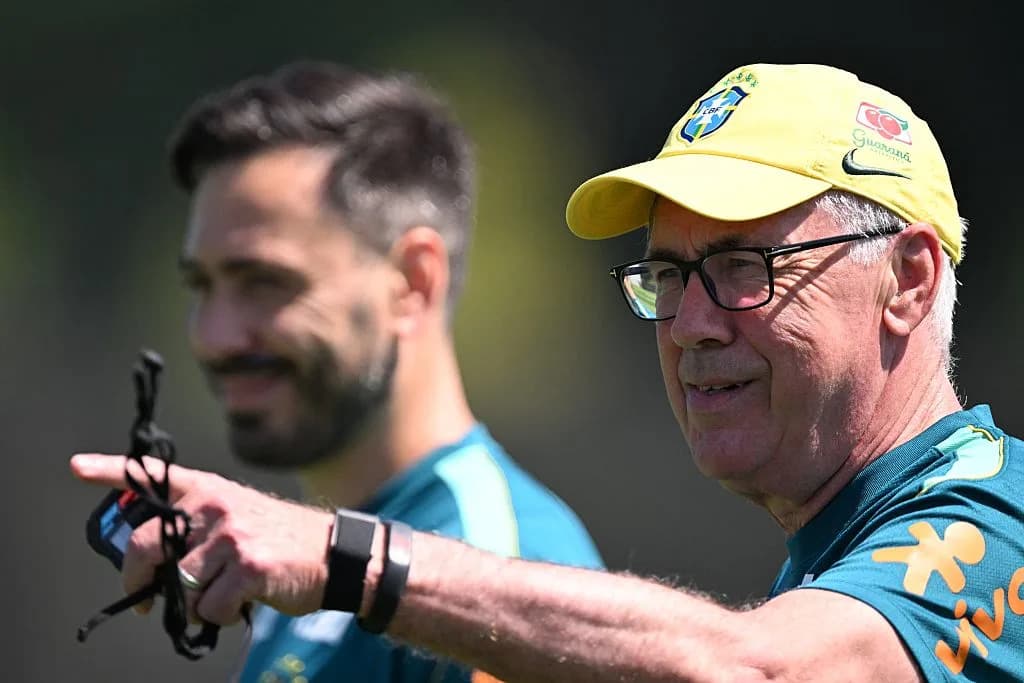
Carlo Ancelotti’s decision to bring Neymar back into Brazil’s 2026 World Cup squad was supposed to be a love letter to a generation. Instead, it has ripped open a fault line running straight through the heart of the Seleção.
After three years away from the international stage, the 34-year-old’s recall initially played out like a homecoming. Social media flooded with highlight reels, fans in Brazil spoke of a “last dance,” and the idea of Neymar pulling on the famous yellow shirt one more time stirred something deeply nostalgic.
That sentiment hasn’t lasted long.
From romance to resentment
As the noise has grown, the mood has shifted. The romantic narrative of a once-great star returning for one final World Cup is being challenged by a colder, more unforgiving assessment of where Brazil actually stand.
Neymar’s recent years have been defined less by brilliance and more by absence: injuries, fitness doubts, long spells away from the sharp edge of elite football. For those who view the national team through a hard tactical lens, the question is blunt: can a 34-year-old, coming off a long hiatus and fitness struggles, genuinely carry a modern World Cup campaign?
For Christophe Dugarry, the answer is not just “no.” It’s “this is a problem.”
Dugarry: “A freak show”
The 1998 World Cup winner with France has become one of the most strident critics of Ancelotti’s gamble, and he has not bothered to soften the language.
He has called the whole spectacle a “freak show,” a phrase that lands with the force of an accusation. In Dugarry’s eyes, the celebrations around Neymar’s return are not an outpouring of faith, but something closer to a cruel performance.
“These celebrations aren't genuine. I sense a deep mockery behind Neymar's selection,” he said on RMC Sport, pointing to the sniping that now follows the forward: the jibes about injuries, the digs about his weight. The veteran, once the golden boy, is being turned into a sideshow. And Dugarry insists Neymar himself is playing a part in it.
For him, this isn’t just about one player. It is about what that player’s recall says about Brazil.
A symbol of decline?
Dugarry sees Neymar’s selection as a symptom of deeper decay within a five-time world champion that once set the standard for talent and imagination. Calling on a fading star, he argues, exposes a lack of conviction in the present and a lack of faith in the future.
“I don't think it's a good idea. Selecting Neymar demonstrates how low Brazil has fallen,” he said, cutting straight through the sentimentality. To him, treating Neymar as if he is just another squad option is pure illusion. The aura, the expectations, the baggage – they all still follow.
And that is the crux of his criticism: he is not convinced Neymar can still offer anything meaningful to this team. Not at this level. Not at this stage of his career.
It’s a brutal assessment, but it reflects a growing unease. If Brazil, with their endless production line of talent, are reaching back to a 34-year-old with a fragile body and a complicated recent history, what does that say about the current generation and the direction of the project under Ancelotti?
The countdown at Granja Comary
Answers will not come in a studio debate. They will come on the training pitches of Granja Comary.
The squad gathers there on May 27, and all eyes will be on Neymar. Every sprint, every touch, every grimace will be scrutinised. This is no gentle testimonial tour; this is a World Cup build-up with a nation demanding proof that its faith – or its nostalgia – is not misplaced.
The calendar offers no time for a slow burn. Brazil face Panama in a friendly at the Maracanã on May 31, a fixture that suddenly feels like more than a simple warm-up. It becomes a test of viability. Can Neymar still dictate a game? Can he still move, think, and decide at the speed a World Cup demands?
From there, Ancelotti’s team head to North America and into a Group C that pits them against Morocco, Haiti and Scotland. On paper, it is a group Brazil should control. On grass, with the world watching and with a polarising figure at the centre of it all, it becomes something else entirely.
Is this the last great chapter of an extraordinary career, or the moment Brazil discover that sentiment and legacy no longer win tournaments?