Nigeria's Super Falcons Aim for WAFCON Glory and World Cup Qualification
Nigeria coach Justine Madugu has nailed his colours firmly to the mast. The Super Falcons will go to Morocco with the same spine that dragged them to a record 10th Women’s Africa Cup of Nations title last year – and with the weight of a continent’s expectations on their backs.
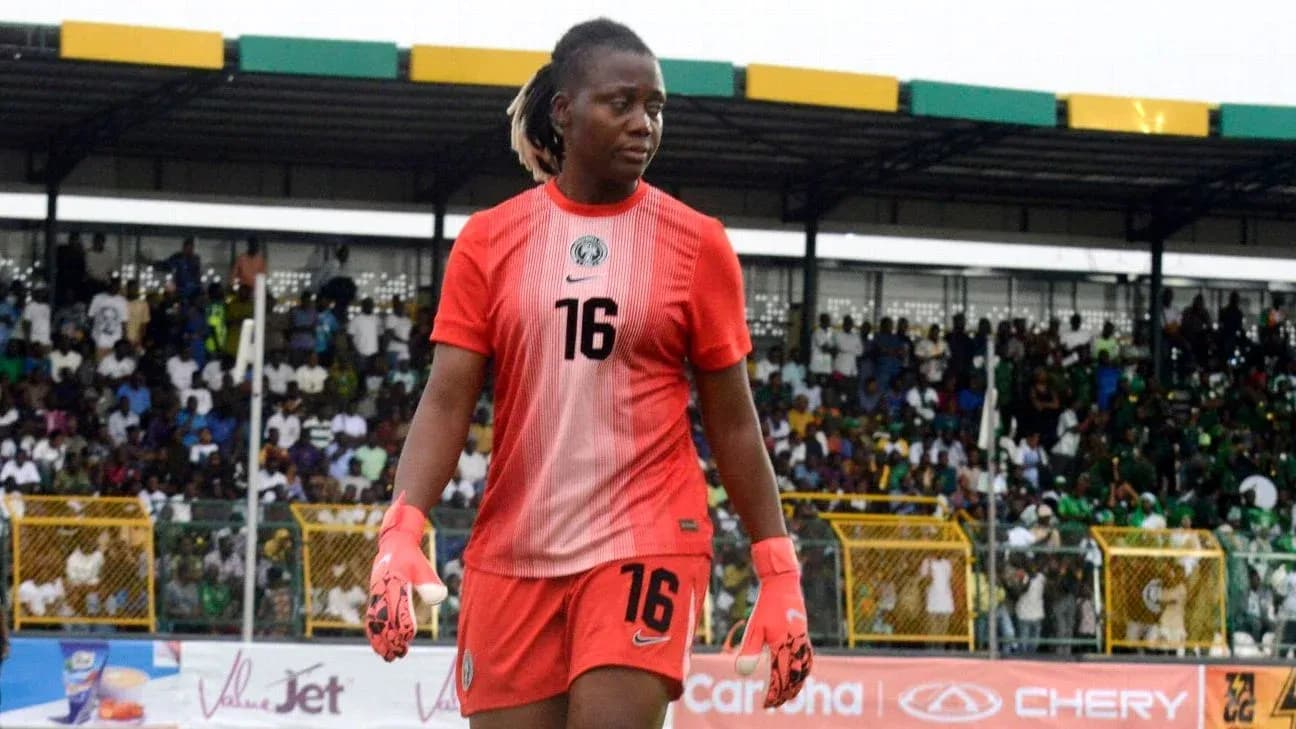
Rasheedat Ajibade leads the group. Chiamaka Nnadozie guards the posts. Asisat Oshoala remains the headline act in attack. The core is familiar, the ambition unchanged.
Champions on a double mission
Nigeria are not just chasing another African crown. They are protecting a global streak that has defined them for more than three decades.
The Super Falcons are the only African nation to have qualified for every FIFA Women’s World Cup since 1991, one of just seven teams worldwide with that distinction. In Morocco, the route is brutally clear: reach the semifinals, and the ticket to the 2027 World Cup in Brazil is stamped.
Madugu has made that the first line of his mandate.
“The next WAFCON will also serve as qualification for the 2027 FIFA Women’s World Cup, so our priority will first be to ensure that we make it to the World Cup,” he told CAFonline. Only after that, he says, comes the push to “defend the trophy and bring it back to Nigeria.”
He knows what comes with being the hunted. “We are holding something precious that everybody wants,” he added, aware that every opponent will circle the champions with extra intent.
A familiar core, a painful absence
Nigeria’s 25-player list reads like a roll call of recent battles. Much of the side that edged hosts Morocco 3-2 in last year’s final returns as the Falcons chase an 11th continental title between July 26 and August 16.
Yet one name is missing, and it stings.
Ashleigh Plumptre, the composed, left-footed defender who has become a symbol of this team’s new era, will not make it. An injury suffered in March has not healed in time. On social media, she laid it bare: the body needs more time, and she is listening.
Her message was equal parts regret and rallying cry. Sad to miss this WAFCON, hopeful to fight alongside her teammates again, and urging Nigerians to back the women who will go without her. “Go easy on them, they need you. I am with you ladies,” she wrote.
Nigeria must now defend their title without one of their most assured backline leaders.
Veterans, rising stars and a single home gem
Even without Plumptre, experience runs thick through Madugu’s squad.
Ajibade returns not just as captain but as heartbeat, a midfielder-forward hybrid who can drag a game in Nigeria’s direction. Behind her, Nnadozie, now widely regarded as Africa’s outstanding goalkeeper, anchors the side with the authority of a player used to performing under floodlights and pressure.
In defence, Osinachi Ohale, Michelle Alozie, Shukurat Oladipo, Rofiat Imuran, Glory Ogbonna, Oluwatosin Demehin, Sikiratu Isah and Christy Ucheibe bring a mix of miles on the clock and tactical versatility. They have seen tight finals, hostile crowds and heavy legs in extra time. They know what it takes.
Halimatu Ayinde adds steel and structure in midfield, while Oshoala, even as a veteran, remains a constant threat and a reference point for younger attackers.
Around that seasoned core, a new generation is being asked to step up, not just fill in. Jennifer Echegini and Deborah Abiodun offer energy and incision in midfield. Gift Monday, Esther Okoronkwo and Omorinsola Babajide bring pace, movement and unpredictability in the final third. These are no longer just “prospects” – they are expected to shoulder real responsibility in Morocco.
The squad carries only one home-based player: Abia Angels goalkeeper Fatima Oloko. The rest come from clubs across Europe, North America, Asia and the Middle East, a reflection of how far Nigerian talent has spread and how global this team has become.
Group C and the road through Rabat
Nigeria have been drawn into Group C with Egypt, Zambia and debutants Malawi. All three matches will be played in Rabat, giving the Falcons a fixed base as they navigate the group stage.
On paper, Nigeria are favourites. History says so. Talent says so. But WAFCON has changed. The tournament is now a 16-team field, deeper and more competitive than ever, and Nigeria are trying to become the first champions to defend the trophy in this expanded format.
The stakes go beyond the trophy. The competition doubles as Africa’s qualifying path to the 2027 World Cup. The four semifinalists qualify automatically. Fifth place earns a shot at an intercontinental playoff. For a team that has never missed a World Cup, slipping outside that top four would be unthinkable.
Madugu is clear: secure the World Cup spot, then fight for the crown. The rest of the continent will try to deny them both.
Full Nigeria WAFCON squad
- Goalkeepers: Chiamaka Nnadozie (Brighton & Hove Albion, England); Comfort Erhabor (Portsmouth Ladies, England); Fatima Oloko (Abia Angels, Nigeria)
- Defenders: Osinachi Ohale (Pachuca Tuzas, Mexico); Michelle Alozie (Chicago Stars, USA); Shukurat Oladipo (AS Roma, Italy); Rofiat Imuran (London City Lionesses, England); Glory Ogbonna (FC Kiryat Gat, Israel); Oluwatosin Demehin (Galatasaray Sportive, Turkey); Sikiratu Isah (Bnot Netanya, Israel); Christy Ucheibe (SL Benfica, Portugal)
- Midfielders: Rasheedat Ajibade (Paris Saint-Germain, France); Halimatu Ayinde (BK Häcken, Sweden); Deborah Abiodun (Washington Spirit, USA); Toni Payne (Everton Ladies, England); Jennifer Echegini (Paris Saint-Germain, France)
Nigeria arrive in Morocco as record champions, global ever-presents and the team everyone wants to knock off the throne. The question now is simple: can this blend of hardened veterans and fearless newcomers carry the weight of history and still find room to make some more?