Nottingham Forest's Strategic Summer Transfers
Nottingham Forest have gone for precision, not volume, this summer.
Oliver Glasner never wanted a bloated dressing room, so the chaotic churn of previous windows was off the table from the start. This time, the moves are targeted. Expensive, yes. But deliberate.
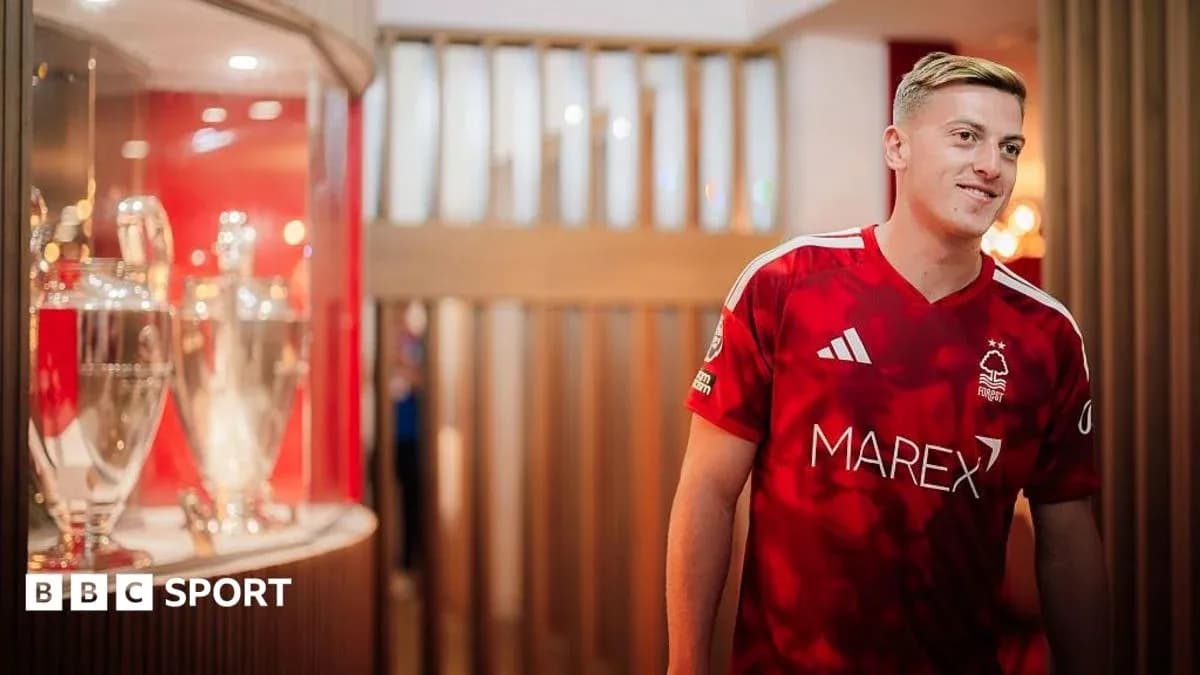
The headline figure is Liam Delap’s £50m arrival, a statement fee for a centre-forward who badly needs a reset. After his Chelsea nightmare, the promise is simple: regular football, a clear role and the chance to become the long-term successor to Chris Wood. Forest are betting big that a stable environment and consistent minutes will unlock the striker they thought they were getting in the first place.
Behind him, the rebuild is just as calculated.
Ousmane Diomande’s £34m signing gives Glasner another cornerstone in defence. The plan is clear: Diomande slotting into a back three alongside Murillo and Nikola Milenkovic, a blend of youth, aggression and composure that should define Forest’s new look without the ball. It is a structure Glasner trusts, and one he has used to good effect before.
Out wide, Daniel Munoz has followed his manager from Crystal Palace, and his arrival immediately turns up the heat on Ola Aina at right-back. Glasner knows exactly what Munoz offers — energy, discipline, a reliable outlet on the flank — and that familiarity usually translates into early minutes. Aina now has a direct fight on his hands.
In midfield, Xaver Schlager brings another familiar face for the head coach. The pair worked together at Wolfsburg, and Glasner knows he can lean on Schlager’s tactical intelligence and work rate. There is no marquee name to directly replace Elliot Anderson, whose departure leaves a creative gap, but the manager has opted for trust and functionality over fireworks.
The big advantage this time? No European football.
Last season’s draining run to the Europa League semi-finals left Forest stretched to breaking point, and by the time they faced Aston Villa in that heavy second-leg defeat, the squad looked spent. This year, the calendar is lighter, the training ground more important than the departure lounge. With a smaller, tighter group, Glasner can drill his ideas without the constant disruption of midweek travel.
There is also something unusual at Forest these days: continuity.
After 13 arrivals last summer, this window feels almost restrained. Faces are familiar, partnerships can grow, and the sense of a revolving door has eased. Glasner has already warned he is not a magician and urged against expecting instant transformation. But now, with a squad shaped more in his image and the noise of Europe turned down, he finally has what every coach craves.
Time to build a team that looks and plays like his.