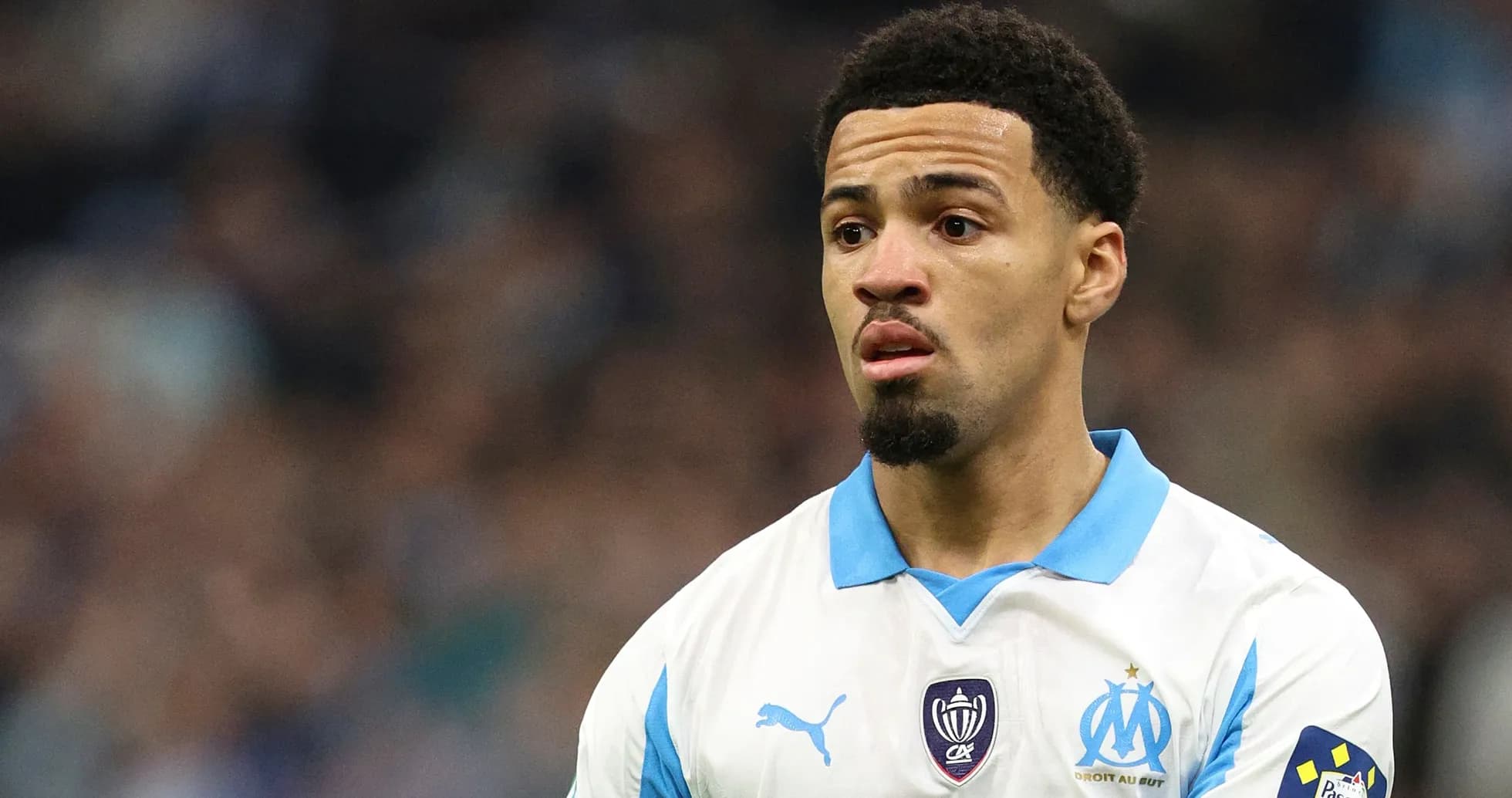
Nwaneri's Marseille Loan Gamble: A Costly Miscalculation
Ethan Nwaneri’s loan to Marseille was supposed to be a carefully scripted step in his rise. Regular minutes in Ligue 1, a progressive coach in Roberto De Zerbi, a fierce but forgiving environment at the Velodrome. Instead, it has unravelled into one of the most awkward stories of Arsenal’s season – and an expensive miscalculation for Marseille.
The 18-year-old has barely kicked a ball, and every time he stays on the bench, the bill gets bigger.
A deal turned on its head
According to L’Equipe, the loan agreement between Arsenal and Marseille is structured in a way that feels almost cruel in hindsight: the more Nwaneri plays, the less Marseille pay. Minimal involvement, higher cost.
Right now, they are paying for a passenger.
The arrangement was built around a simple idea. Arsenal wanted a Hale End graduate to be tested properly in a top league, not to drift through a season on the fringes. Minutes were written into the logic of the deal, if not the contract itself. Instead, the plan has backfired.
Nwaneri has not started a single match for OM in two months. Inside the club, voices have reportedly spoken of a “persistent impression of nonchalance” – a damning phrase for a teenager trying to prove he belongs at the elite level. Coaches have questioned his urgency. Team-mates have moved past him in the pecking order. The player who was supposed to be a creative reference point has become an afterthought.
And with every unused appearance, Marseille’s financial commitment grows.
From dream debut to cold reality
When Nwaneri arrived in January, the draw was obvious. De Zerbi’s reputation for improving young, technically gifted players made Marseille feel like a smart halfway house between academy promise and Premier League expectation.
He even started brightly, scoring on his debut and hinting at the kind of impact Arsenal had hoped to see. For a brief moment, the storyline looked familiar: another Hale End prodigy stepping into the senior game without blinking.
Then the ground shifted.
De Zerbi’s chaotic exit shortly after the window closed ripped up the script. Habib Beye came in with his own ideas, his own standards, and far less patience for a loanee who, in his eyes, was not matching the required intensity.
The turning point came into sharp focus against Monaco. With Mason Greenwood unavailable, the stage seemed set for Nwaneri to be trusted in a big game. Instead, Beye turned to Hamad Junior Traoré. The message was unmistakable: when the stakes rise, Nwaneri is not yet a player this coach is willing to lean on.
For Marseille, that decision was tactical, emotional and financial all at once. They protected the result, but they also pushed their loan costs higher.
Arteta’s bar and Arsenal’s calculus
Back in north London, there will be no soft landing waiting for him.
Mikel Arteta has been clear for some time that an academy background buys a chance, not a career. His standard is unforgiving. “What has to define this football club is to seek for excellence and seek for the best, regardless if you're coming from the academy or abroad... They have to earn it. Not for a week, not for a month, for years. You have to sustain performance and that has to be at the very highest level if we want to win and be where we want to be.”
Those words are not aimed at one player, but they hang heavily over Nwaneri’s situation. A loan that was meant to strengthen his case may now be weakening it.
At the same time, the financial picture at Arsenal is shifting. Home-grown players carry a particular weight in the era of profit and sustainability rules. Any fee received for Nwaneri would be recorded as pure profit on the books. The same applies to Myles Lewis-Skelly, another highly rated academy midfielder.
Reports suggest Arsenal could listen to offers for the pair this summer, with a combined valuation in the region of £100 million. For a club constantly trying to fund the next phase of Arteta’s rebuild, that is not a trivial number.
Dortmund watch on as Arsenal ponder
Clubs across Europe have noticed the tension between potential and opportunity. Borussia Dortmund, long-time specialists in rehabilitating and relaunching young talent, are understood to be monitoring Nwaneri’s situation.
They will see a teenager who, despite his struggles in France, still owns a rare profile: technically sharp, creative between the lines, and already blooded in senior football in two major leagues. They will also see a player whose current club may be more open than ever to a sale.
For Marseille, the story is simpler and more brutal. They took a bet on a prodigy, failed to trust him, and now face a higher bill for the privilege of not playing him.
Nwaneri will return to London at the end of the season. That much feels certain. The real question is whether he is coming back to fight for a place at the Emirates – or simply to pass through on his way to the next chapter.