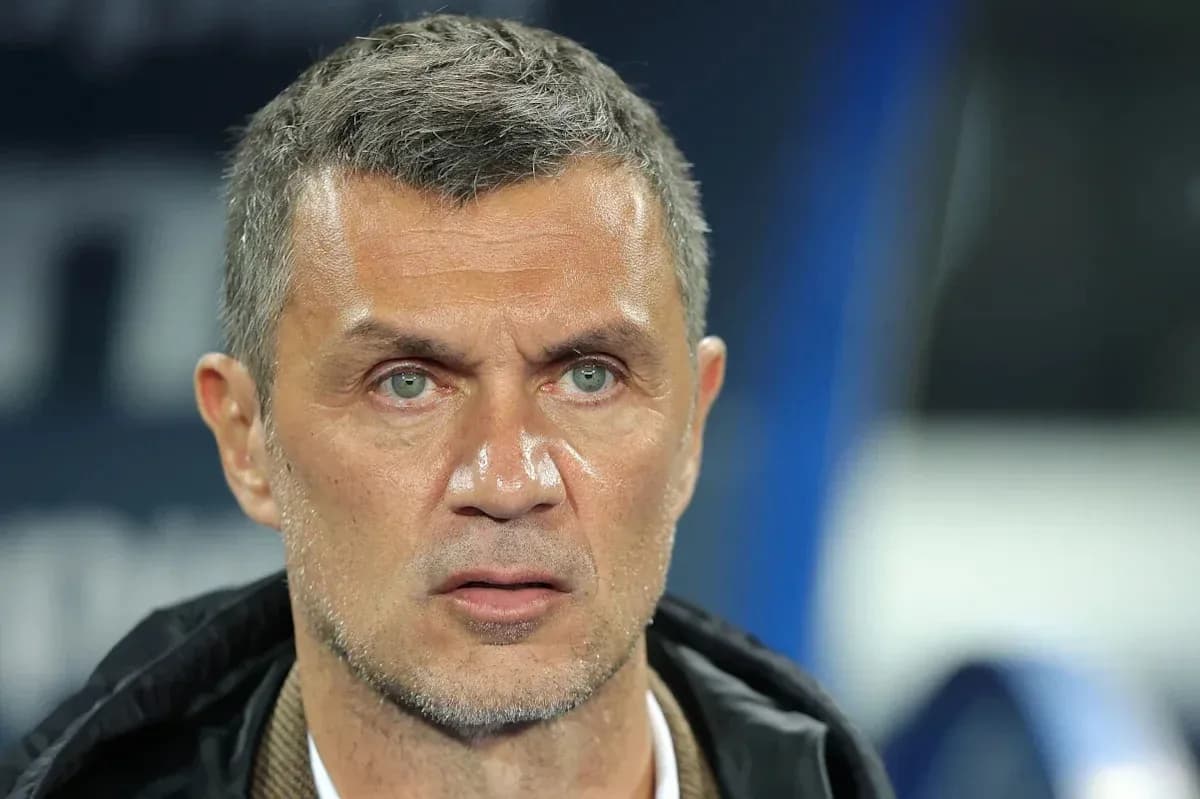
Paolo Maldini Takes Charge as Italy's Technical Director
Paolo Maldini steps back into the heart of Italian football not as the elegant left-back who glided through generations, but as the man entrusted to help rebuild a fallen giant.
On Saturday night, the FIGC made it official: Maldini is Italy’s new technical director. At his side, another familiar figure – Leonardo – comes in as advisor. Two men who once shared a touchline at Milan now share responsibility for dragging the Azzurri out of a prolonged nightmare.
A TV World Cup and a restless nation
Italy watched the World Cup on television for the third time in a row. A country that once measured summers in knockout nights and penalty shootouts has been reduced to spectators, flicking channels while others write history.
The urgency is real. The appointment of Maldini is not a cosmetic move, not a nostalgic nod to the past. It is the first major act of the new FIGC president, Giovanni Malagò, and it has landed with force. Across the country, from fans to former champions, the reaction has been the same: approval, and something rarer in recent years – optimism.
Maldini’s role is clear and heavy. He will shape the new project, set the direction, and, crucially, help choose the next head coach of the national team.
Choosing the next Azzurri leader
That decision will define the era.
Antonio Conte and Roberto Mancini are already being spoken of as frontrunners, two coaches with strong personalities and a clear identity. Around them swirl other names, some realistic, some more dream than plan – even figures like Pep Guardiola and Didier Deschamps have been floated in the Italian media.
For now, it is Maldini and Leonardo who will sift through the options, weigh profiles, and decide what kind of Italy they want to build. Tactically. Culturally. Emotionally.
The pressure is immense. The belief around Maldini is even greater.
Zoff’s seal of approval
When Dino Zoff speaks about the national team, Italy listens. The 1982 World Cup-winning goalkeeper, who coached Maldini at Euro 2000, did not hide his admiration.
“Paolo has given so much for our football, to Milan in particular but also for the national team,” Zoff said. He went back through the years, recalling Maldini the player and even Cesare Maldini, Paolo’s father, who worked as Enzo Bearzot’s assistant when Zoff lifted the World Cup in 1982.
For Zoff, this is not just a sentimental reunion with the past. It is a strategic choice.
“Maldini is a perfect appointment in terms of character, charisma and competence. I also understand the choice of Leonardo as an advisor. It's right that a leader surrounds himself with people he trusts.”
Trust will be crucial in the coming weeks, especially when the time comes to select the new coach. Zoff knows how political and noisy that process can become, and his message to Maldini was pointed.
“Maldini has to be free to follow his beliefs, without external interference,” he said.
The line was clear. If Italy wants a new direction, it must let Maldini lead it.
Costacurta: “More important than the coach”
If Zoff offers the voice of history, Alessandro Costacurta brings the insight of someone who shared a dressing room, a back line and trophies with Maldini for years at San Siro.
His reaction was immediate and emphatic.
“This is great news for Italian football, because we have brought in one of the most illuminated and sincere people in the sport,” the former defender said.
Costacurta did not stop there. For him, Malagò’s move goes beyond simply filling a role.
“Malagò made the best possible choice. In fact, picking Maldini is perhaps more important than choosing the new coach.”
That is a striking statement in a country obsessed with the identity of the CT. But Costacurta’s logic is simple: get the architecture right at the top, and the choice of coach becomes part of a coherent plan, not a desperate fix.
He also underlined the dynamic between Maldini and Leonardo, two strong personalities with different footballing instincts.
“Leonardo is more of a dreamer, a visionary, whereas Paolo is more practical, looks to his knowledge and instinct,” Costacurta said.
The contrast is not a problem. It is the point.
“The best thing about them is that they listen to each other, despite starting from different ideas, and always manage to find a common solution.”
A legend in a new arena
Maldini has long been the symbol of an idealised Italian football: elegance without fuss, leadership without theatrics, loyalty without compromise. Now those qualities will be tested in a far more chaotic arena than a back four.
He must navigate politics, media storms, and a fanbase that has grown tired of promises. He must help identify a coach capable of reconnecting a broken bond between the national team and its people. And he must do it quickly, with major tournaments looming and no margin left for another wasted cycle.
Italy has turned the World Cup into a TV show three times in a row. Maldini’s task is brutally simple: make sure the next one is played on the pitch, not watched from the sofa.