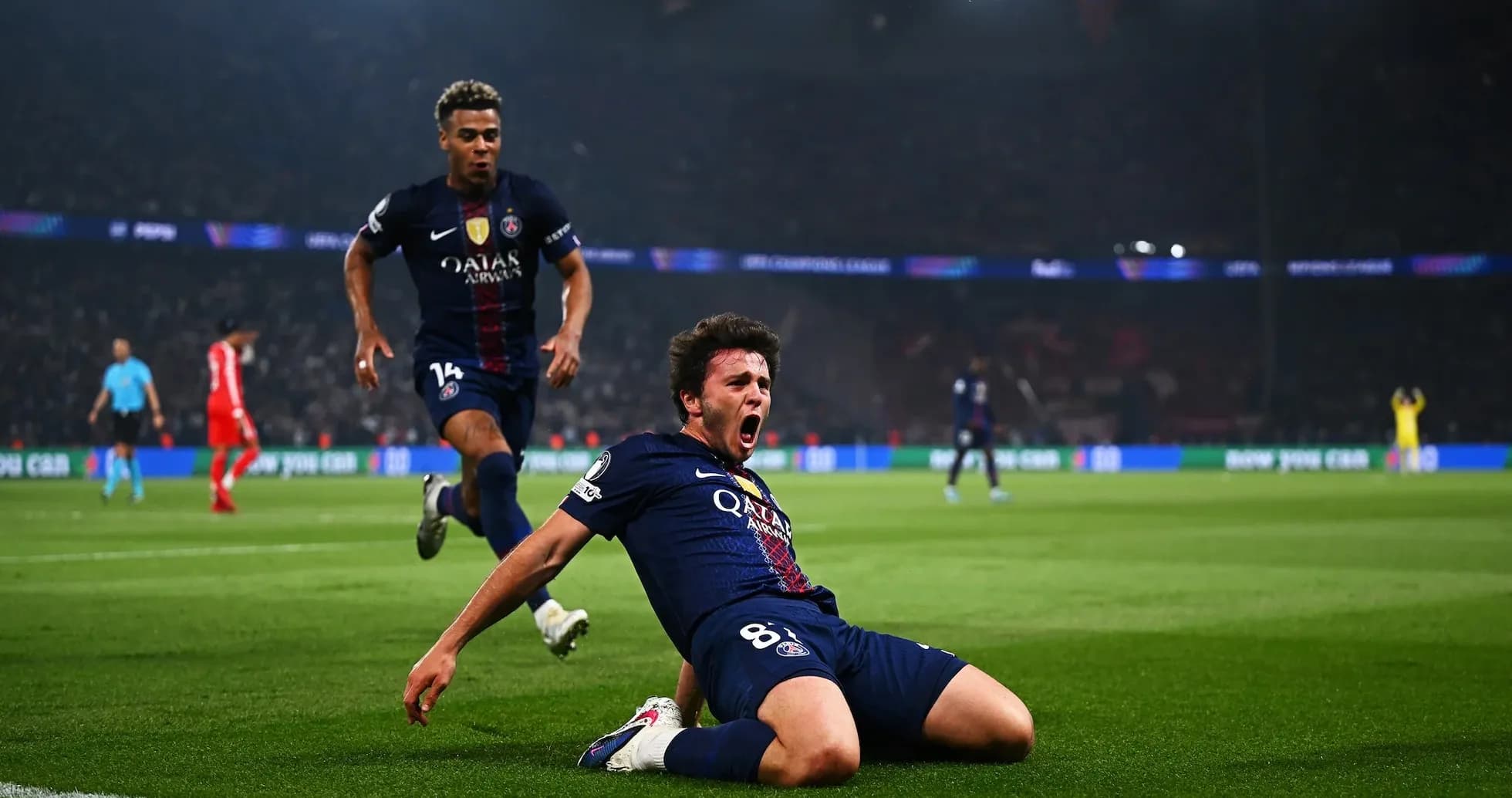
Paris Saint Germain vs Bayern München: A 5-4 Champions League Thriller
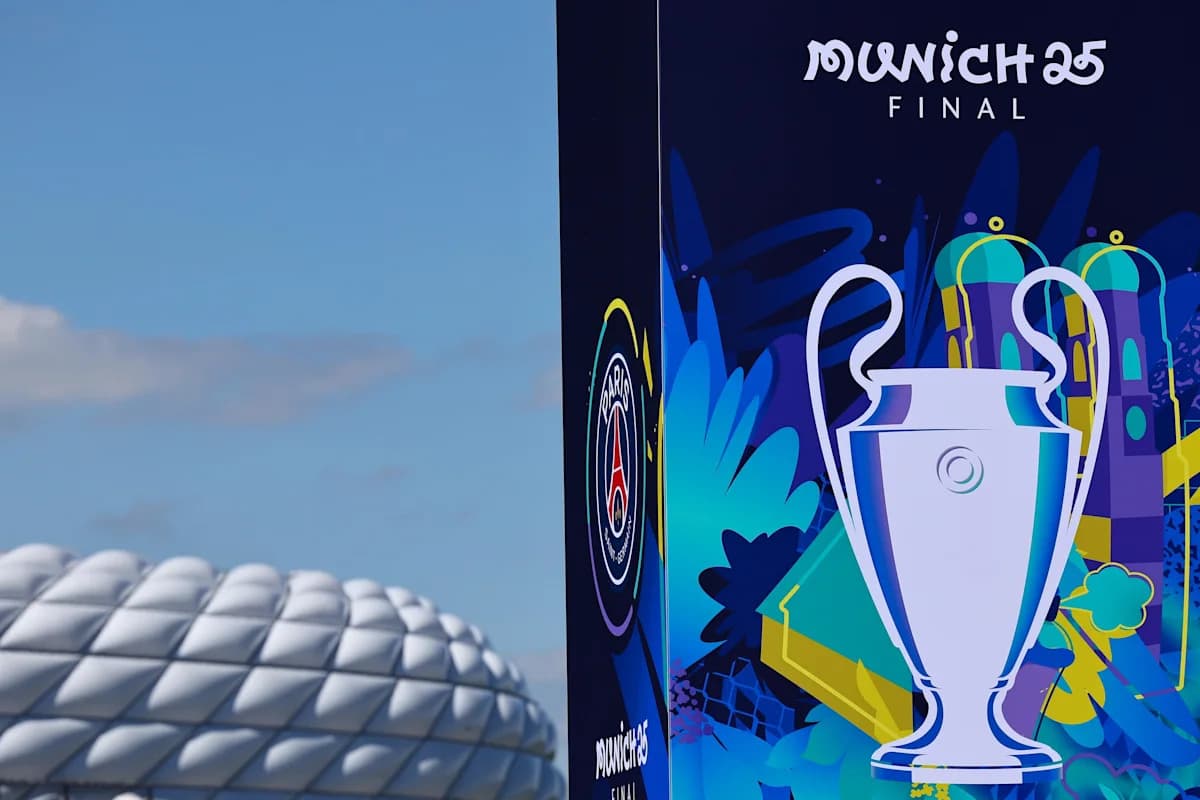
Under the Paris lights at Parc des Princes, a semi-final that already belonged to Champions League folklore finished 5–4 to Paris Saint Germain, a nine-goal avalanche that laid bare the attacking DNA and defensive vulnerabilities of both sides. Following this result, it felt less like a tactical contest and more like two heavyweights trading combinations, each punch thrown by a frontline dripping with individual quality.
I. The Big Picture – Chaos in a Semi-final Cage
The scoreline mirrors the wider seasonal profiles. Overall this campaign, Paris Saint Germain have scored 43 goals in 15 Champions League fixtures, with a total average of 2.9 goals for per game and 1.4 goals against. At home they have been even more explosive: 25 goals in 8 matches, an average of 3.1 scored and 1.8 conceded. Bayern München came into the tie as the more ruthless machine: overall 42 goals in 13 matches at an average of 3.2 scored and 1.5 conceded, with a particularly lethal attack on their travels, averaging 3.1 away goals despite allowing 1.9.
In the standings snapshot, Bayern’s 21 points and total goal difference of +14 (22 goals for, 8 against) from 8 matches underlined their status as a juggernaut, while Paris Saint Germain’s 14 points and +10 total goal difference (21 for, 11 against) painted them as a dangerous but slightly more volatile contender. The semi-final simply amplified those tendencies: both sides leaned into their strengths, and both defences were dragged to the edge.
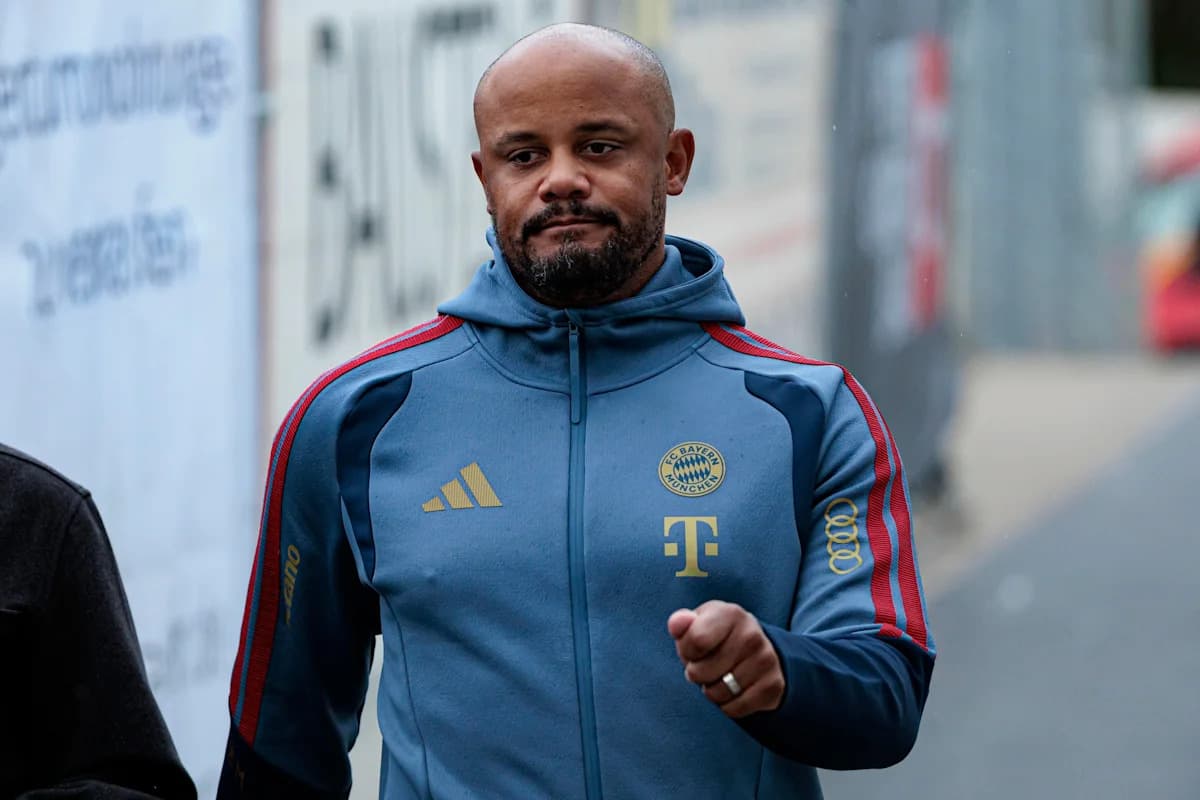
Tactically, Enrique Luis trusted his season-long 4-3-3, the only formation Paris Saint Germain have used across 15 Champions League fixtures. M. Safonov sat behind a back four of A. Hakimi, Marquinhos, W. Pacho and N. Mendes, with a midfield triangle of W. Zaire-Emery, Vitinha and J. Neves feeding a fluid front three of D. Doué, O. Dembele and K. Kvaratskhelia. Vincent Kompany mirrored his season’s pattern too, sending Bayern out in their staple 4-2-3-1: M. Neuer behind J. Stanisic, D. Upamecano, J. Tah and A. Davies; a double pivot of J. Kimmich and A. Pavlovic; a creative band of M. Olise, J. Musiala and L. Díaz supporting H. Kane.
II. Tactical Voids – Absences and Discipline
Both squads had to navigate important absences. Paris Saint Germain were without Q. Ndjantou due to a muscle injury, thinning Enrique’s depth in the defensive or midfield rotations. Bayern’s absentee list was far longer: T. Bischof (calf), M. Cardozo (thigh), S. Gnabry (muscle), R. Guerreiro (muscle), L. Karl (muscle), C. Kiala (ankle), W. Mike (hip) and B. Ndiaye (inactive) all missed out. In structural terms, that robbed Kompany of alternative wide threats (notably Gnabry), a versatile left-sided outlet in Guerreiro, and several rotation options that might have helped manage the tempo in such an open contest.
From a disciplinary perspective, both teams carried pre-existing warning signs. Heading into this game, Paris Saint Germain’s yellow-card timing showed a pronounced late-game spike: 45.45% of their yellows arriving between 76–90', and another 18.18% between 91–105'. Bayern’s pattern was similar but even more concentrated, with 37.50% of their yellows in the 76–90' window and 20.83% between 16–30'. In a match that stayed frantic until the final whistle, those tendencies translated into a palpable risk of late defensive chaos, with tired legs and emotionally-charged duels inviting cards and dangerous set pieces.
Red-card history also framed the risk profile. L. Díaz’s previous dismissal in this Champions League campaign, and the red cards carried by I. Zabarnyi and L. Hernández for Paris Saint Germain, underlined how thin the line can be when intensity spikes. That context made the management of duels and transitions in the final quarter of an already wild semi-final even more precarious.
III. Key Matchups – Hunter vs Shield, Engine Room Battles
The headline duel was always going to be H. Kane versus the Paris Saint Germain back line. Kane’s numbers this season are brutal: 13 goals and 2 assists in 12 Champions League appearances, with 35 shots (24 on target) and a rating of 8.01. He has also won 2 penalties and taken 5, scoring 4 but missing 1, so his penalty record is impressive but not perfect. His movement across the front line, dropping into pockets between Vitinha and the centre-backs, constantly tested the coordination of Marquinhos and W. Pacho, while also dragging A. Hakimi and N. Mendes into uncomfortable central zones.
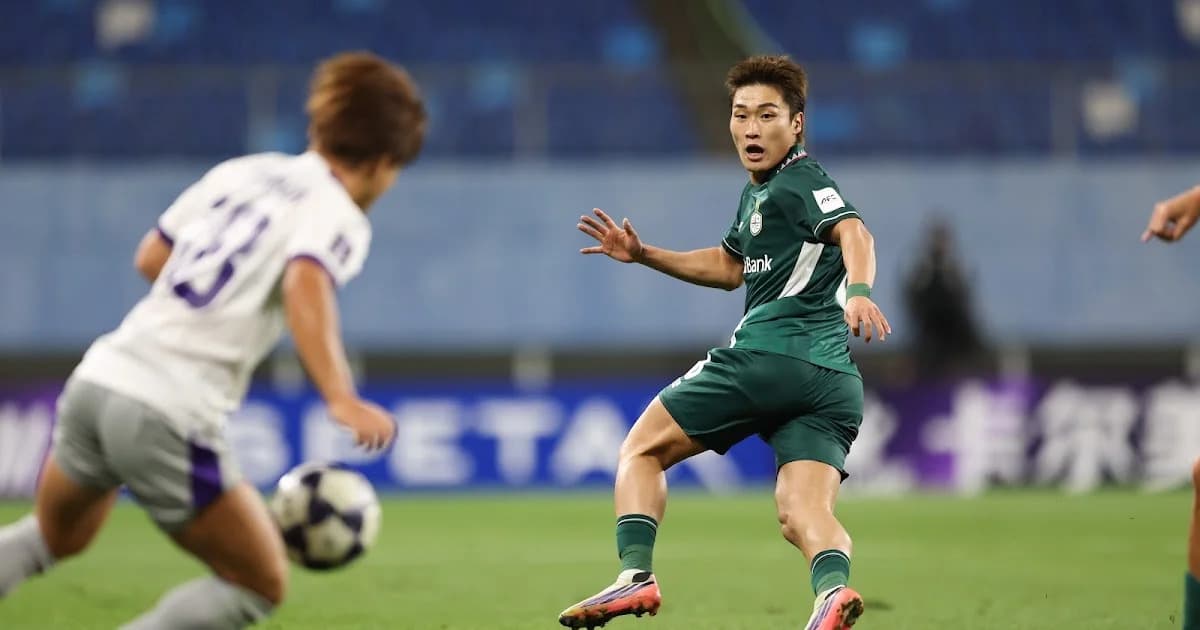
On the other side, K. Kvaratskhelia was Paris Saint Germain’s own hunter. With 10 goals and 5 assists in 14 appearances, 28 shots (16 on target) and a rating of 7.73, he has been both finisher and creator. His duel volume – 148 duels, 71 won – shows how often he carries the ball into contact. Against Bayern’s back four, his ability to isolate J. Stanisic or A. Davies and then combine inside with Vitinha and O. Dembele was central to Paris Saint Germain’s five-goal outburst.
The “Engine Room” belonged to Vitinha and J. Kimmich. Vitinha has been a metronome: 15 appearances, all as a starter, 1,519 passes at 93% accuracy, 6 goals and 1 assist. He is not just a recycler; 19 key passes and 24 tackles, plus 16 interceptions and 1 blocked shot, show a complete midfielder. Kimmich, anchoring Bayern’s double pivot, had to juggle two jobs: screening Kane’s supply line from Paris Saint Germain’s midfield and initiating Bayern’s own vertical play into J. Musiala and M. Olise.
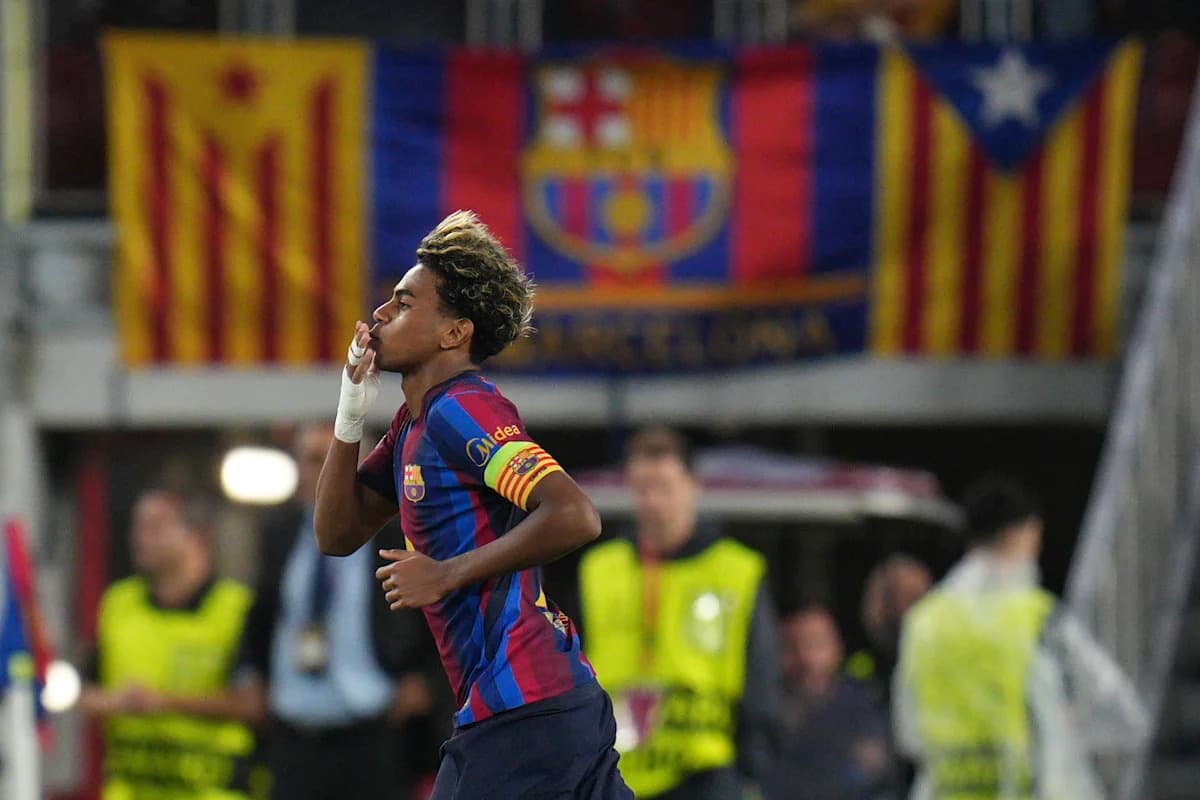
Out wide, M. Olise versus N. Mendes and W. Zaire-Emery was another decisive channel. Olise leads the Champions League in assists with 6, adding 5 goals, 32 key passes and 66 dribble attempts with 42 successes. His combination with L. Díaz on the left side of Bayern’s 4-2-3-1 repeatedly targeted the half-space behind Hakimi. Díaz himself, with 7 goals and 3 assists and a red card already on his record, brought both incision and volatility to that flank.
For Paris Saint Germain, D. Doué was the surprise balancing piece. With 5 goals and 4 assists in 11 appearances, 27 key passes and 46 dribble attempts (21 successful), he operated as the connector between midfield and attack, often dropping inside to overload Bayern’s double pivot and free Kvaratskhelia or Dembele in wider lanes.
IV. Statistical Prognosis – What This 5–4 Tells Us
Following this result, the statistical portrait of both sides only hardens. Paris Saint Germain’s home attacking average of 3.1 goals per game and Bayern’s away average of 3.1 were not abstract numbers; they materialised in a nine-goal thriller. Both teams’ total defensive averages – 1.4 goals against per match for Paris Saint Germain, 1.5 for Bayern – were shredded by the sheer quality and volume of chances created.
From an xG and defensive solidity standpoint, neither back line can be called secure. Bayern have kept only 2 clean sheets overall (both at home, none away), while Paris Saint Germain have 5 clean sheets overall but concede an average of 1.8 at home. The Hunter vs Shield balance clearly tilts toward the hunters: Kane, Kvaratskhelia, Olise, Díaz, Dembele, Vitinha and Doué are all operating at elite levels of chance creation and finishing, while the “shields” – the defensive structures and card-prone midfields behind them – are bending under pressure.
If this semi-final is a guide, any future tactical preview involving these squads must start from one core truth: their attacking ceiling is higher than their defensive floor. In Champions League terms, that usually means more goals, more volatility, and the persistent feeling that no lead is ever safe.