Pat Cummins Addresses Sandpaper Scandal Eight Years Later
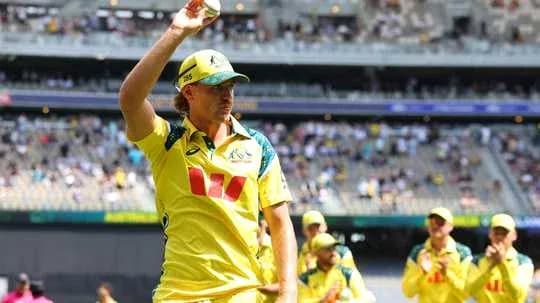
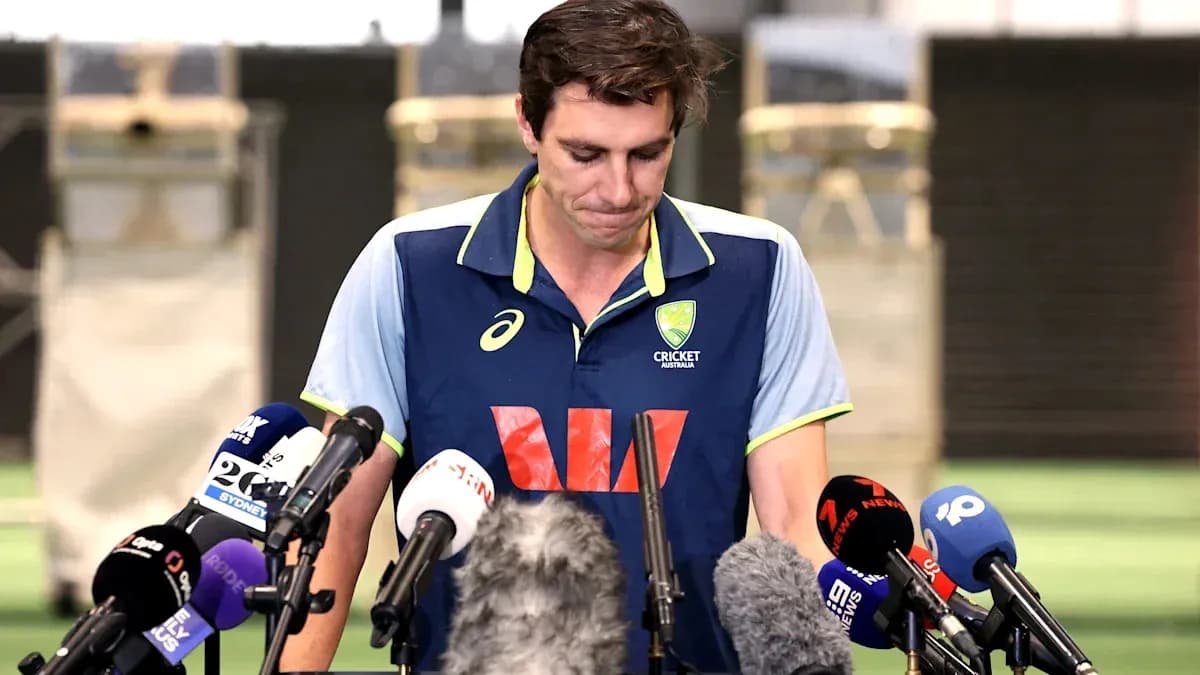
Pat Cummins wanted to talk about cricket. Real cricket. The kind being played a few metres away at Cricket Central in Sydney as New South Wales and South Australia opened a pivotal Sheffield Shield clash.
Instead, he walked into a hall packed with cameras and microphones and spent more than an hour revisiting the ugliest chapter in modern Australian cricket.
Inside, it was sandpaper. Outside, it was swing and seam.
Eight Years On, the Scandal Won’t Die
The Australian captain sat under the lights, fielding question after question about a plot that unfolded in Cape Town in 2018 and has refused to loosen its grip on the sport.
“I don’t want to talk about this again after today,” he said early. “Even if it takes all day... I’ll stay here until we have no more questions.”
He knew why he was there. A memoir by his friend and former teammate Usman Khawaja has dragged “sandpapergate” back into the headlines, suggesting what many have long suspected but no one inside the dressing room had publicly stated so bluntly: that the entire Australian team knew about the ball-tampering scheme.
Three men – Steve Smith, David Warner and Cameron Bancroft – admitted their roles at the time and served lengthy bans. They became the faces of a national sporting disgrace. Khawaja’s claim that “we did this as a team” has reopened the file and thrown fresh suspicion on those who played that Test and escaped sanction, including Cummins, now the standard-bearer of Australian cricket.
The timing could hardly be worse. Or perhaps there was never going to be a good time.
Fans Caught Between Fatigue and Fury
At the Shield game outside, the reaction was weary, bordering on exasperated.
Josh, 28, told the BBC he thought the country had moved on. “It’s just a bit crazy that it’s all blown up again... I think it is a bit ridiculous, after eight years.”
Another spectator put it more bluntly: “I’m a bit bored of it.”
Among fans there’s irritation that Khawaja, who retired from international cricket in January, has chosen now – on the cusp of a marquee summer – to reopen old wounds. There’s also a grudging acceptance that if he was ever going to say it, some corner of the calendar was going to be ruined.
Beneath the frustration sits something more complicated: a sense of injustice and hypocrisy. Many in the game have long hinted that ball-tampering, in various guises, was rife in that era.
“It’s a bit of a stitch up,” said James, 21. “Every country has done it... if it wasn’t us, it was probably going to be someone else.”
Yet it was Australia that got caught. And it is Australia that still can’t shake the stain.
A Nation of “Good Sports” Confronts Its Reflection
For many, the lasting pain is not just about sandpaper on leather. It’s about identity.
Prof David Rowe of the University of Western Sydney told the BBC the saga cut so deep because Australia sees itself as “a nation of good sports”.
“The idea of being a good sport is two things. One is being good at sport, so you actually win. But the other side is that you do it honourably and fairly,” he said.
“Many Australians would see themselves as above all that. That is: cheating is what other teams get up to... not the nation of good sports.”
Cape Town shattered that illusion. Rowe called it a “nasty shock” that brought “collective shame” which still lingers. In his view, the game may not move on without a fresh, transparent response from Cricket Australia.
“One of the best ways to fuel conspiracy theories and keep sandpapergate going is to essentially say ‘there’s no more to see here’ – especially when that comes from the authorities,” he said.
Cricket Australia’s chief executive Todd Greenberg has already ruled out reopening the investigation. For some, that only deepens the suspicion.
Khawaja’s Book Lights the Fuse
At the heart of this renewed storm is Khawaja’s memoir.
In it, he recalls the aftermath of Bancroft being caught on camera with sandpaper on the field and his own plea inside the dressing room.
“I said: ‘Take this as a team. We did this as a team. We knew what was going on, and we have to take it as a team’.”
Those words have detonated years later. Yet Khawaja has since tried to cool the temperature, insisting he doesn’t want a “witch hunt” and refusing to spell out exactly who knew what, and when.
That vagueness has done little to calm the dressing-room politics. It has, instead, left a cloud hanging over players who were there but have always denied involvement or knowledge.
David Warner, who received the harshest penalty of the Cape Town trio, has backed Khawaja’s account, saying the book tells the truth. He also accused Cummins, via his press conference, of throwing him “under the bus”.
Steve Smith, the captain at the time and another of the banned trio, is overseas and has stayed silent so far. Bancroft, who previously hinted that the bowlers knew about the plan, is also keeping his counsel.
Around them, the old guard has stirred. Former coaches, ex-players and a host of Australian cricket royalty have weighed in from the sidelines, some defending, some accusing, all ensuring the story stays alive.
Cummins Under the Spotlight
In Sydney, Cummins faced it all head-on.
Over what one reporter suggested was the longest press conference in Australian sporting history, he took his time with every answer. He paused, thought, and tried to respond to each question in full. Careful, but not evasive.
He dismissed Khawaja’s allegations as “vague”, made it clear he was deeply unhappy to be dragged into it, and admitted the personal hurt.
“Friends aren’t casual with each other’s lives and reputations... That’s something I’ve been grappling with the last couple of days,” he said.
The subtext was obvious: this was not just a public controversy, but a private fracture.
Asked about calls for a new investigation, Cummins pushed the decision back where it belongs – to Cricket Australia. He wasn’t about to become judge and jury on his own sport’s most toxic case.
What he did make plain was his frustration that, eight years on, the scandal still clings to the national side like dust that won’t brush off.
He gestured towards the live Shield game outside, then pointed to Friday’s one-day international against England in Perth, a match he and other key players will miss as they rest.
“It’s been eight years... Hopefully today we put a line through it and we’re done and we can all move on to much more fun topics, like actual cricket.”
No Easy Exit
Few inside Australian cricket believe that will happen.
The men at the centre of Cape Town still disagree on how much was known, and by whom. The governing body insists the case is closed. A prominent current player has publicly implied it wasn’t just three men acting alone. A national captain is now staking his reputation on his denial.
“It’s going to be hard to move on, given that there’s two sides of the story and it doesn’t look like either side is going to back down,” James said at the ground.
The ball is back in Cricket Australia’s hands. Whether they shine it up again or keep it hidden in the kit bag may define how long sandpapergate shadows the country that once called itself the nation of good sports.