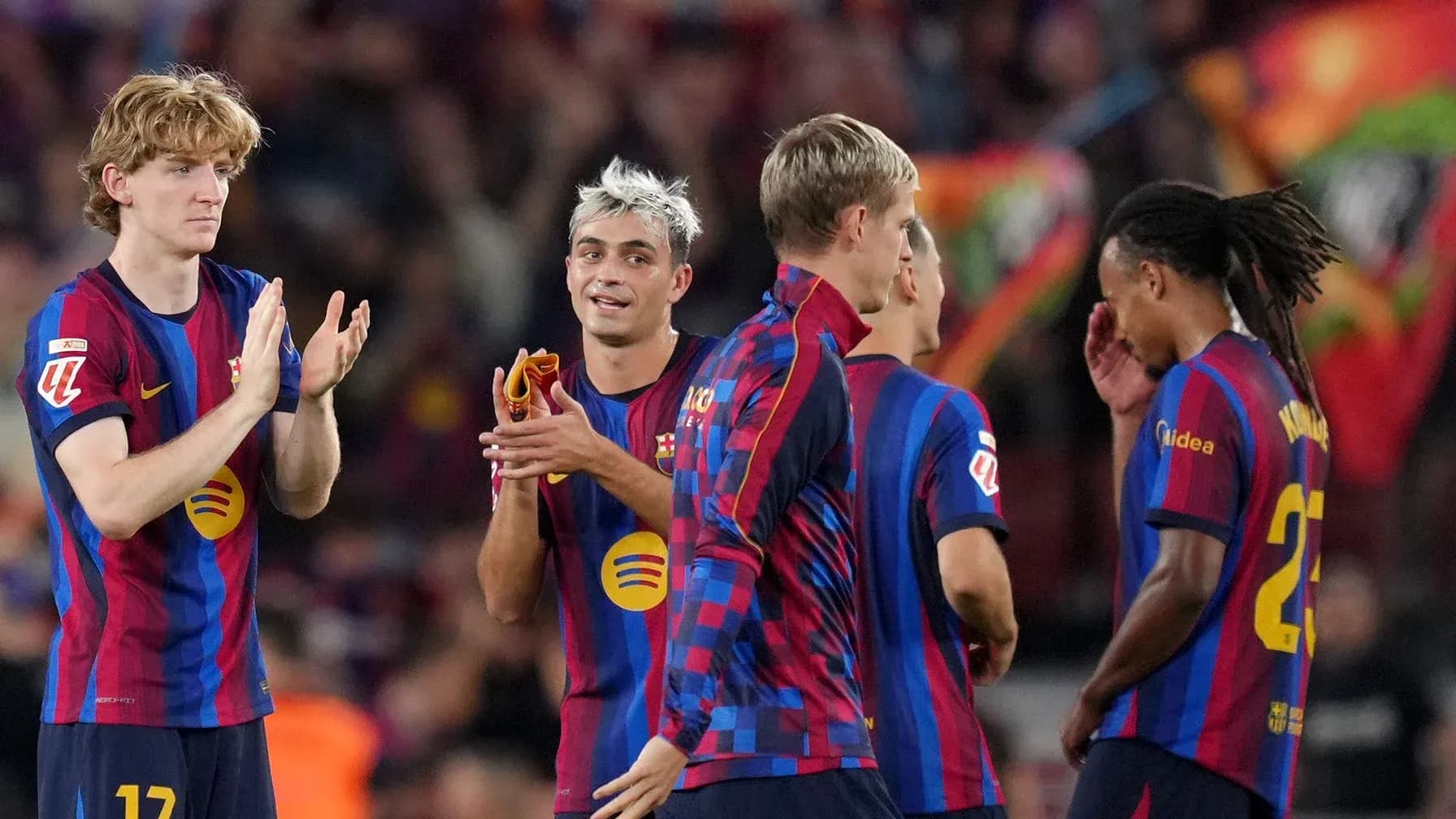
Pedri Faces Intense Criticism After Barcelona's Tough Week
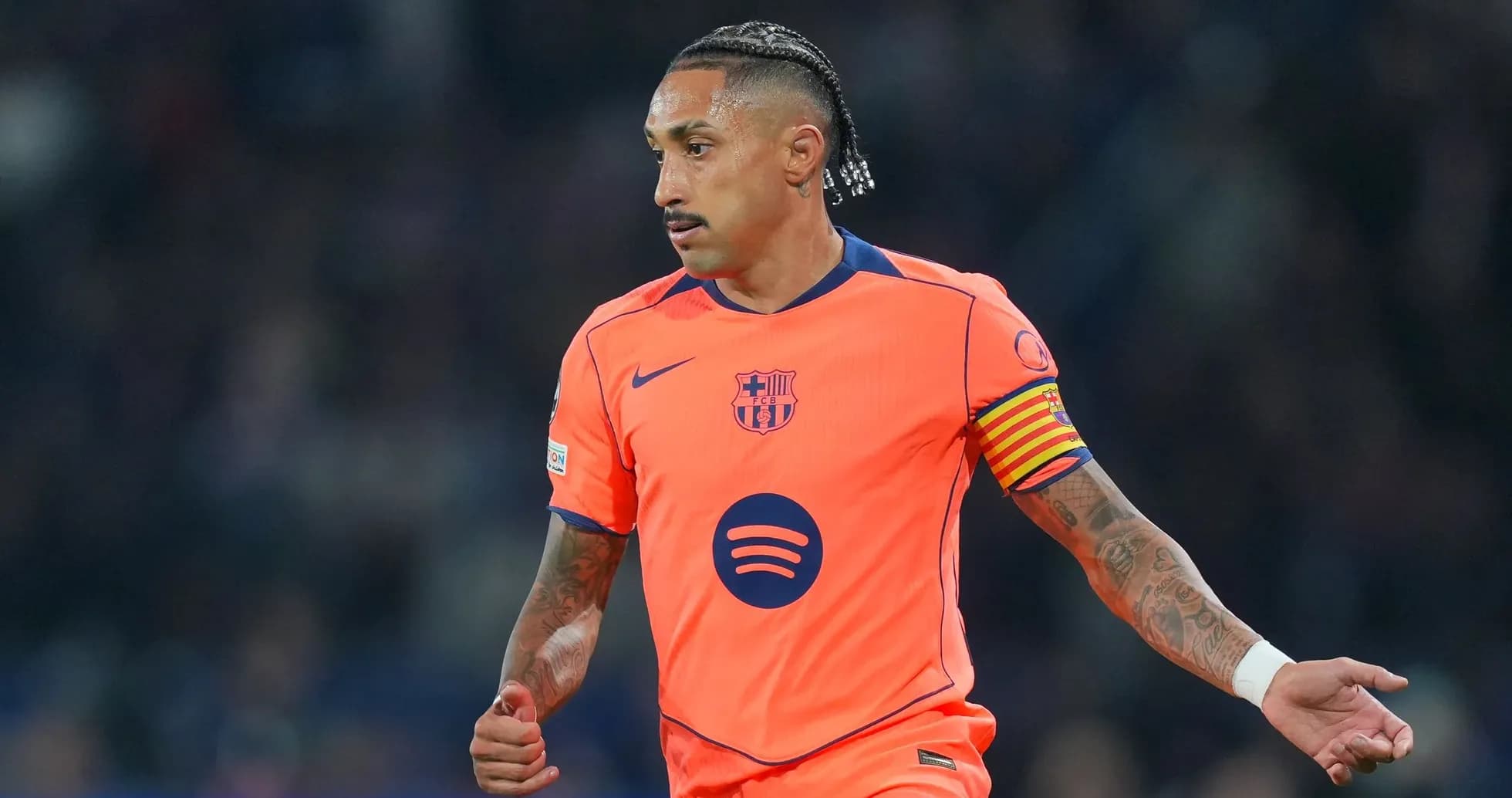
Barcelona’s bruising week has left scars, and few players are wearing them as visibly as Pedri.
After being outplayed by Paris Saint-Germain in the Champions League and then losing to Real Madrid at the Spotify Camp Nou, the club is desperate to reset. The squad has already turned the page towards the trip to Deportivo Alavés and Quique Sánchez Flores. Outside the dressing room, though, the debate has only just begun.
Pedri under the microscope
In Spain, the post-mortem has been sharp. According to Sport, Pedri has taken some of the heaviest criticism in the wake of those two defeats, with Cadena COPE’s Manolo Lama at the forefront.
Lama’s verdict cuts straight to the core of the midfielder’s game: his body. "To be a top-class player, you have to be at the peak of your physical level," he argued, making fitness the non-negotiable starting point for everything Pedri wants to be.
From there, the analysis turned ruthless. Lama insisted he has "seen that he has a physical problem," and linked that directly to the drop in Pedri’s trademark precision. When the legs aren’t there, the passes don’t land the same way. The timing that once made him untouchable in tight spaces suddenly looks a fraction off.
Lama then painted the picture of a player running on fumes. Pedri, he said, "looks tired after the first ten minutes of the match," a brutal assessment that, in his view, explains why the midfielder fades so markedly as games wear on.
When fatigue hits the mind
The criticism did not stop at simple tiredness. On COPE’s Tiempo de Juego, Lama drew a wider point about how fatigue unravels a player, comparing Pedri’s situation to Pablo Barrios, one of La Liga’s brightest young talents.
"When feelings of fatigue build up in a player, he loses his energy, and your mind no longer works at the same speed as your legs move, something that shows clearly on you," he said. It was less a casual remark and more a warning: once physical sharpness goes, decision-making follows, and the whole game collapses in on itself.
That idea – the mind lagging behind the body – is particularly striking in Pedri’s case. So much of his reputation has been built on his vision, his ability to think one step ahead. Lama’s point suggests that even that gift is being dulled by the strain.
Club versus country realities
At that stage, Juanma Castaño, presenter of El Partidazo on Cadena COPE, stepped in with a reminder from another stage entirely: the World Cup. He recalled how Pedri had already lost his starting place there, a sign that even on the international scene, his status is not untouchable.
Castaño, though, drew a clear line between Spain and Barcelona. He doesn’t see the same scenario playing out at club level. In his eyes, Pedri normally delivers for Barça, and that performance credit still counts. The implication is obvious: whatever the current doubts, benching him at Barcelona would be a different, far more drastic step.
The Bernardo Silva factor
Journalist Miguel Rico then narrowed the focus to the Clásico and identified what he believes was the decisive factor in Pedri’s struggles against Real Madrid.
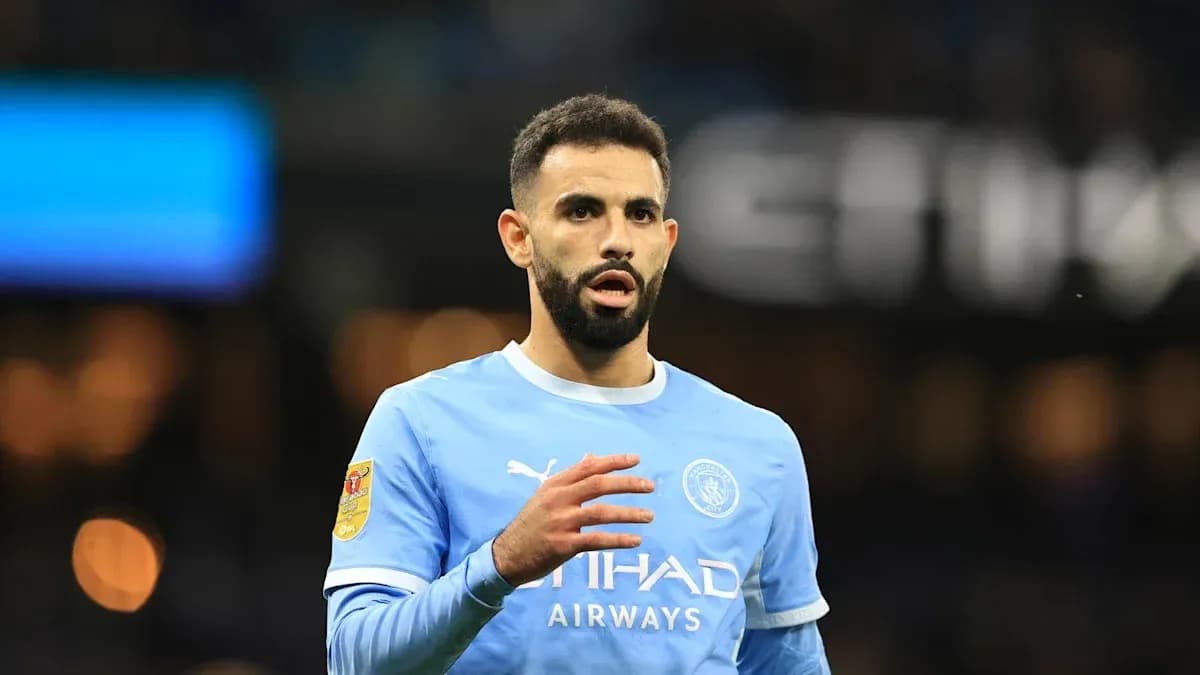
"Pedri's problem has a name and a surname, and it is Bernardo Silva," Rico stated. A simple line, but a telling one.
Rico highlighted Bernardo as a player with "great experience" and the strength to rise when the situation demands it, on top of being "a top-class footballer." Against that kind of opponent – relentless, intelligent, hardened by years at the very top – Pedri found himself exposed. The contrast in rhythm, in intensity, in pure competitive edge was stark.
For Barcelona, the trip to Alavés now arrives with a double edge. They need a result to steady the season. Pedri, more than most, needs a performance that proves his critics wrong and shows that his legs – and his mind – can still carry the weight of a team that expects him to lead.