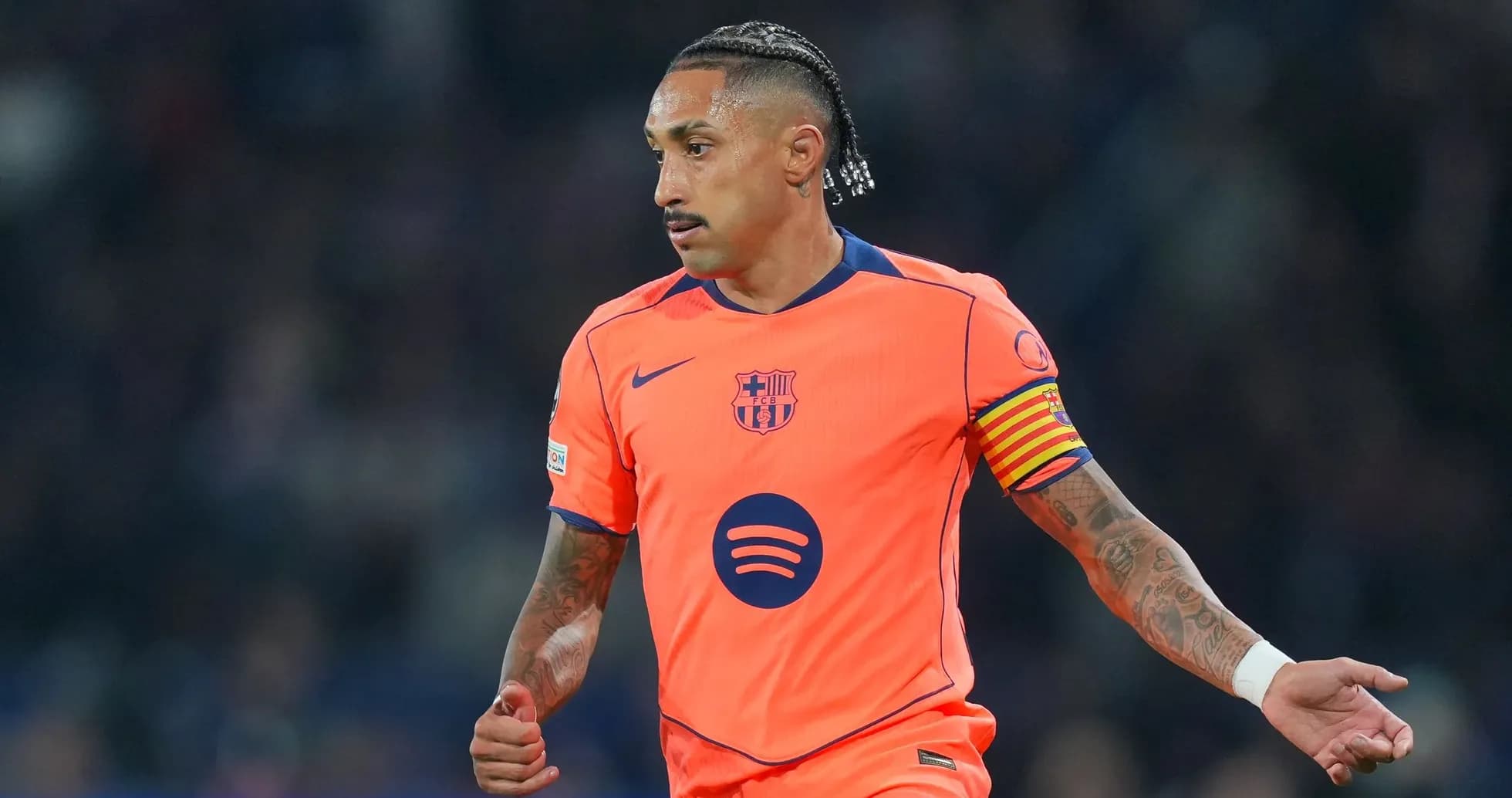
Ancelotti Stands Firm on Raphinha's Call-Up for Brazil
Carlo Ancelotti has never been one to bow to outside noise. Not in Milan, not in Madrid, and certainly not now in Rio. So when Barcelona president Joan Laporta bristled at the idea of Raphinha flying halfway around the world for Brazil’s friendlies in Asia, the response from the Seleção boss was simple: the winger is coming anyway.
Ancelotti draws a line
On Thursday, at CBF headquarters in Rio de Janeiro, Ancelotti confirmed that the 29-year-old will be on the plane to Singapore for Brazil’s two friendlies against Japan and the hosts. That’s despite Raphinha only just shaking off a muscular injury picked up during the last international break in Australia, and despite a round trip of almost 22,000 kilometres that has Barcelona fretting over fatigue and risk.
Laporta has been vocal about what he sees as an unforgiving international calendar that punishes clubs, and Raphinha’s call-up has reopened the familiar club-versus-country battle line. Barcelona see a key player, recently injured, being dragged into another long-haul window. Brazil see a cornerstone of their new cycle who cannot be left behind.
Ancelotti listened. He just didn’t bend.
“We maintain good relations with Brazilian clubs and with European clubs, with whom we share information about the players. In general, this relationship is good,” he said, quoted by SPORT, making it clear he’ll decide who wears yellow, not the men in the directors’ boxes.
Country before club
When the questions turned sharper, so did Ancelotti’s stance. European executives might not like it, but he made it plain: during FIFA dates, the Seleção come first.
Brazil are not in a position to waste windows. The team has stumbled in recent major tournaments, and Ancelotti has been hired to reset the standard, not to accommodate the fixture list of European giants. Every camp is a brick in the structure he is trying to build before Copa America and the next World Cup.
He has shown a touch of pragmatism at home. With Flamengo and Palmeiras locked in a tight title race, he opted against calling players from either club and limited his picks to one player per Brazilian team.
“This is a sensitive moment, that's why we've only called up one player per team and decided not to bring anyone from Flamengo or Palmeiras because they are fighting for the title,” he explained.
That sympathy does not extend across the Atlantic. For the European clubs, he wants his spine intact. No exceptions.
“We have no particular requests, nor do we need them. In the FIFA dates, we will call the players that we consider important for the Brazilian national team,” he said. Raphinha, clearly, sits in that category.
A new cycle, with old pillars
Behind the selection row lies the real story: Ancelotti is reshaping Brazil in his own image. Raphinha is not just another name on a squad list; he is one of five players the coach has ring-fenced as leaders for the new era, alongside Marquinhos, Gabriel Magalhaes, Bruno Guimaraes and Vinícius Junior.
“We have started a renewal project and now is the ideal time to do it. In September, we started evaluating younger players and now we continue doing so with these players who can be the future of the Selecao,” Ancelotti said.
The numbers tell the tale. Nine players of Olympic age. Fifteen under 23. A squad tilted towards the future, but anchored by a core that has already lived the pressure of a World Cup.
“We have made a balanced call-up, but in which there are nine players of Olympic age and up to fifteen under 23 years old,” he added. The balance, in his mind, comes from those five survivors of Qatar who must now drive Brazil into a new cycle. Raphinha is one of the pillars he refuses to remove, even with club presidents bristling.
Raphinha’s evolving role
There is also a tactical layer to Ancelotti’s insistence. Raphinha is no longer just the touchline winger who arrived in Europe as a pure wide threat. Under Hansi Flick at Barcelona, he has often been used as a central striker, a roaming number nine who drifts, presses and attacks space rather than hugging the chalk.
Asked whether he would mirror that role for Brazil, Ancelotti kept his cards close to his chest, but he dropped enough hints about the shape of his attack.
“We have versatile forwards who can occupy various positions. I focus on what we can do and not on the quality of our opponents. We will continue playing with three midfielders and three forwards,” he said.
That structure leaves room for Raphinha to slide across the front line, from the right flank into more central zones, depending on the needs of the game and the blend of partners around him. For a coach obsessed with control and balance, a forward who can morph between roles is too valuable to leave at home.
Laporta may see risk. Ancelotti sees responsibility. In his view, Raphinha is not just a Barcelona asset managing his minutes; he is a Brazil international entering his prime, expected to lead a young, reshaped Seleção into the next Copa America and beyond.
The miles to Singapore are long. For Ancelotti, the road to the next World Cup is longer. And on that journey, he has made one thing abundantly clear: Raphinha will be on it.