Premier League Insights: Teams Navigating Early Challenges
The Premier League is already sorting itself. The sharp edges are cutting through the Barclays mush, and a few clubs look like they actually know what they’re doing. Others, less so.
Some have cracked a plan. Spurs and Liverpool? Their problems run far deeper than any one shiny signing.
Hull: Structure over stardust
Hull were meant to be this season’s punchline. Another promoted side measured weekly against Derby 2007/08, expected to pull clear of that infamous points tally but still sink with a shrug.
Instead, they’ve barged into the season with purpose.
Only three promoted clubs before them had ever won their first two Premier League games. Two of those stayed up. The one that didn’t? Hull in 2016/17, which does take the shine off the omen a bit.
But this version of Hull looks nothing like a novelty act. They’re already more than halfway to Derby’s total with 36 games left, built on a simple, almost old-fashioned blueprint: structure, organisation, teamwork, repetition.
A solid keeper. Three big, uncompromising centre-halves in a back five. A stubborn midfield shield. Width on both sides. And more attacking help still to come before the window shuts.
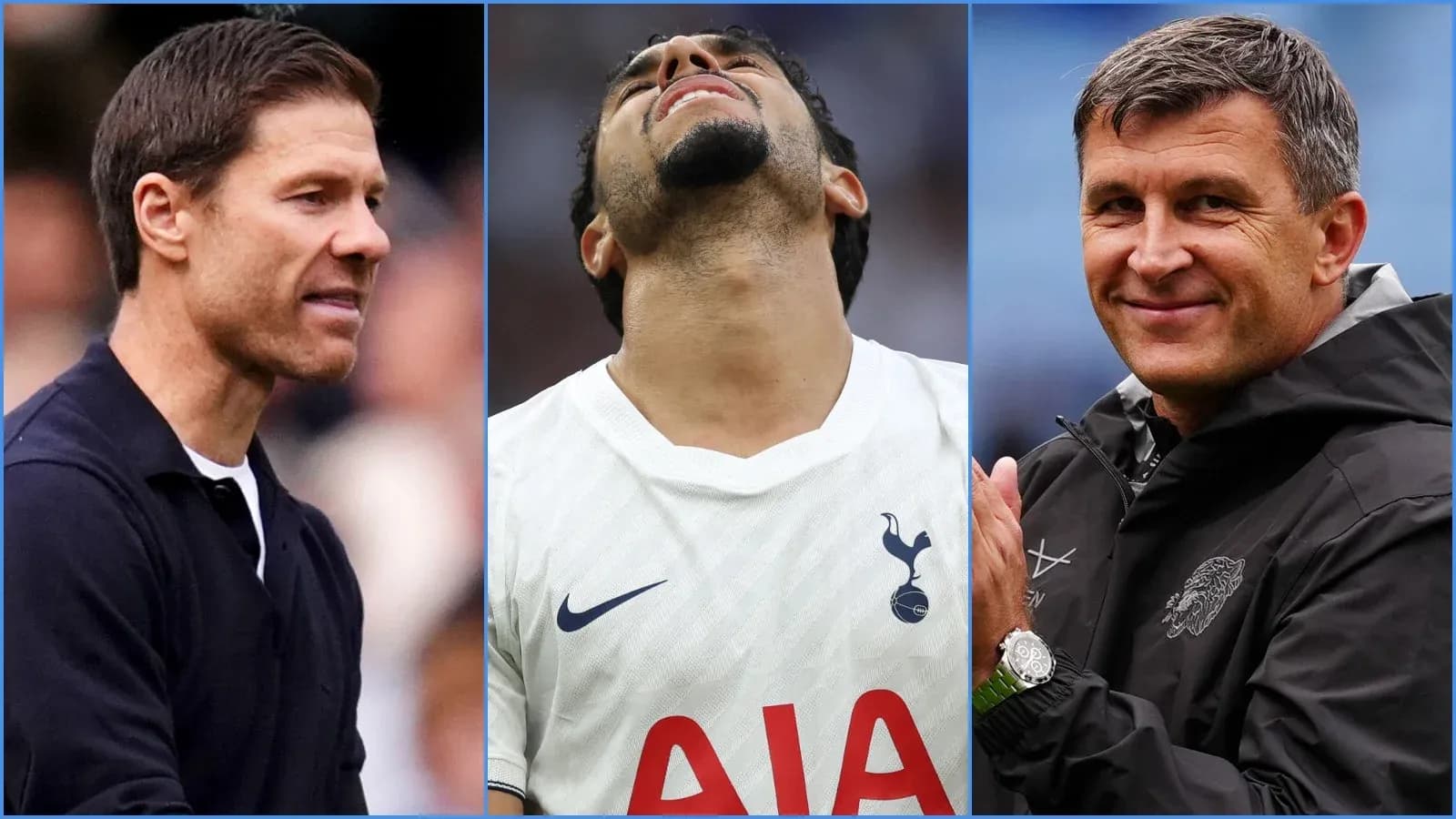
Sergej Jakirovic isn’t trying to reinvent anything. He’s keeping Hull competitive, then pouncing on moments – on the break, at set pieces, in the chaos where Premier League complacency lives. Keep doing that and this stops being a cute story and starts looking like a proper survival plan.
Chelsea: Chaos, goals and a familiar feeling
“Not too Xabi” has become the early joke, but there’s a clear thread from Xabi Alonso’s ideas to what Chelsea are trying to be: front-foot, expressive, and just a little bit reckless.
This is not the version of Chelsea raised under Rafael Benitez and Jose Mourinho. This is Keegan energy in a tight blue suit.
Last season, Chelsea only won one league game in which they conceded two or more. Already this campaign they’ve racked up 3-2 and 4-3 wins, flirting with collapse each time before finally remembering how to manage a game.
The attack is the show. Fluid, varied, constantly interchanging, it looks like it will create enough to bail them out more often than not. The real question is whether the defence can catch up.
The main issues at the back feel solvable with time. Emi Martinez still learning his defenders. Romeo Lavia no longer being the senior man in a midfield pivot. Those are teething problems, not structural disasters.
Right now Chelsea feel – very tentatively – like Arsenal in the middle of their rebuild four years ago. Raw, occasionally wild, but clearly heading somewhere. The trip to the Emirates next week will be a proper measure, the first real look at whether they’re contenders or just entertaining noise.
What we haven’t seen yet is Chelsea chasing a game. Against Fulham and Brighton they built cushions and then tried to sit on them. When they go behind, when the margin for error disappears, we’ll find out what this team really is.
The Brighton lesson: Yalcouye and the market blind spot
Malick Yalcouye is the latest reminder of a modern truth: if Brighton sign an obscure midfielder, everyone else should probably be asking themselves what they’ve missed.
At this point, not trying to hijack those deals feels like negligence.
Rashford and the Old Trafford redemption machine
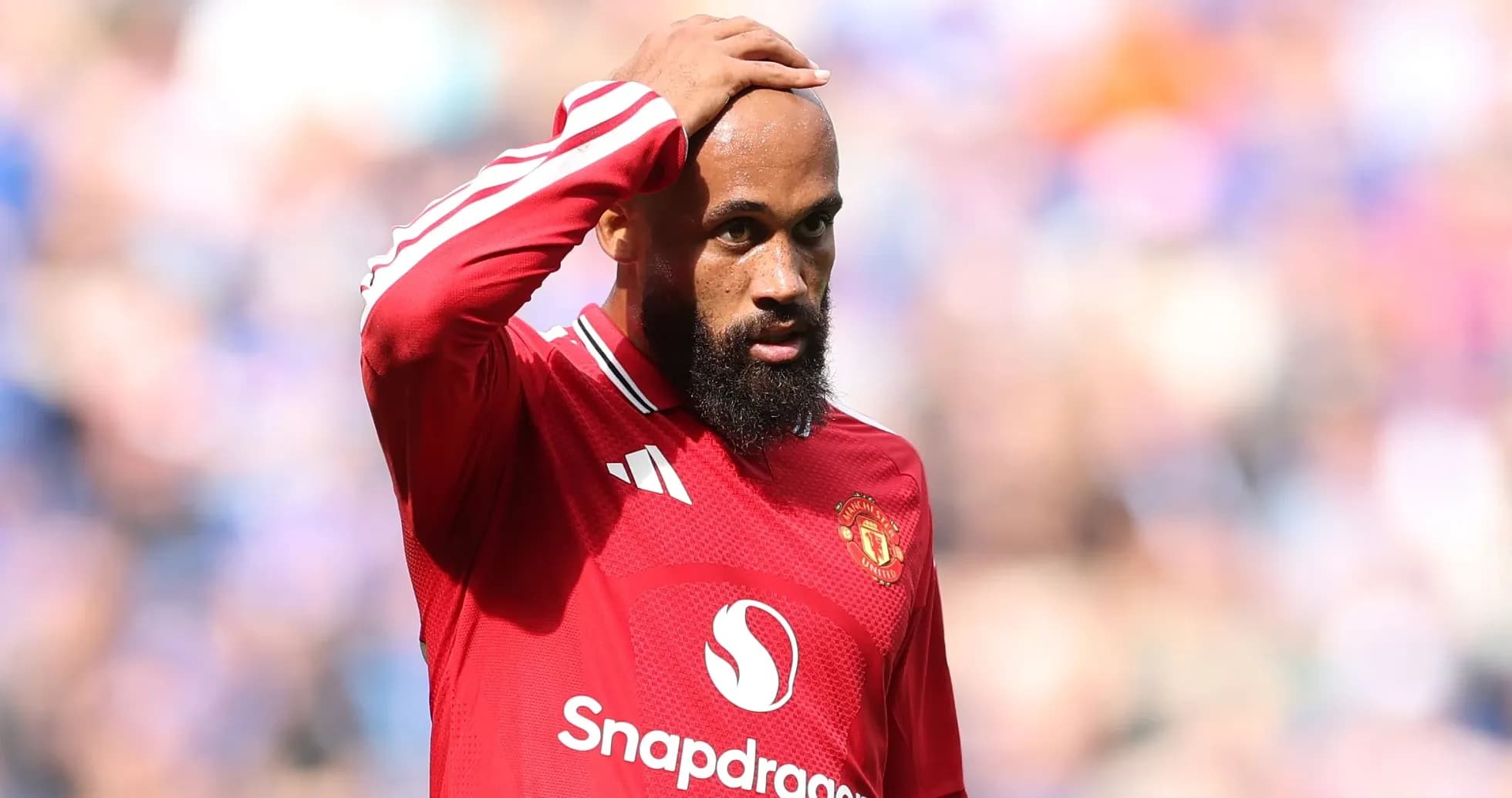
Harry Maguire knows exactly what Marcus Rashford is living through.
“Marcus has been part of a rough ride for Manchester United, and when that happens and the team doesn’t deliver, players get dug out and he was one of them at that stage,” he said. “I’ve been through it. Everyone’s been through it at this club.”
He’s right. Half this United squad has been dragged through a cycle of outrage and redemption. Luke Shaw. Kobbie Mainoo. Even Bruno Fernandes, whose numbers never really dipped, has had storms whipped up around him by managers, pundits and fans.
Rashford’s situation felt even more terminal. Under Ruben Amorim, the bond with his boyhood club looked snapped, not strained.
Yet Old Trafford always leaves a door ajar. Sometimes all it takes is a hard recovery run, a tackle that matters, a gesture that says you still care. That’s how bridges start to rebuild here.
Cherki: City’s calculated chaos
Rayan Cherki arrived at Manchester City for less than a long list of forwards fetched in the last year: Savio, Yoane Wissa, Jamie Gittens, Anthony Elanga, Brennan Johnson, Kevin, Emile Smith Rowe, Dan Ndoye, Dilane Bakwa.
All of them cost more. None of them produced more combined goals and assists in the whole of 2025/26 than Cherki has managed in just 109 minutes this season.
He’s been called “chaotic”. He doesn’t always respect Enzo Maresca’s safe zones. That’s precisely the point. This City side, so drilled and so controlled, needs a bit of that danger, that unpredictability. Cherki gives it to them in bursts that already look decisive.
McAtee and Forest’s quiet succession plan
James McAtee was meant to be part of the patchwork to replace Anthony Elanga and, before his golden handshake from Mr. Marinakis, Morgan Gibbs-White in a raided Nottingham Forest attack.
Instead, he’s started to look like the first draft of a succession plan for a £116m midfielder who left a year later.
Oliver Glasner, ever the maverick in balancing the academy and the market, laid it out clearly: “It’s not target No. 1 to replace Elliot because maybe we can do it from our own squad and spend the money on other positions.”
McAtee, signed from Manchester City in 2025, was that internal option. He just had to wait for Anderson to make the reverse journey in 2026 for the path to clear.
Now, two games into his second season at the City Ground, Glasner has already given him 164 Premier League minutes – more than any of his previous four Forest managers, and almost as many as Nuno Espirito Santo (50), Ange Postecoglou (77) and Sean Dyche (43) combined.
The tweak is simple. Play the Etihad academy graduate a little deeper. Give him more touches. Let him see the game rather than chase it. At Anfield, if you squinted and allowed for the absence of an acrobatic celebration, he wasn’t far off an Adam Wharton type.
Forest might have stumbled into something important there.
Everton: back to civil war and still grinding
At Everton, normal service has resumed. The brief spell where everyone seemed vaguely aligned has been sacrificed at the £40m altar of Harrison Armstrong, and the familiar internal hostility has returned.
They are now the club to watch heading into the final hours of the window. This is an attack that could plausibly go from Dewsbury-Hall, Ndiaye, Barry and George to Richarlison and Balogun, with Jack Grealish floating somewhere in the half-spaces, in the space of a fortnight.
And yet, amid the chaos, David Moyes still finds a way to squeeze points out of games. His Everton sitting in the European places early in the season is one of the league’s oldest traditions. The dysfunction around him rarely stops the grind.
Brentford, Leeds, Le Bris: the quiet operators
Brentford remain exactly what they’ve been for years: a bloody good team with a bloody good manager. No fuss, no fireworks, just a coherent plan executed week after week.
Leeds have lost once in 11, and that defeat came on the final day away to already-relegated West Ham in a game that barely counted. If you can’t win, don’t lose. They’ve taken that mantra to heart.
Regis Le Bris has already written his little line of trivia into this season’s story: the first manager to send on substitutes who combined for a goal – one assisting, one scoring – in the Premier League. You’ll probably never sing about it, but it says something about a coach who reads a game and changes it.
Spurs: money spent, mentality missing
Roberto De Zerbi didn’t sugarcoat it.
“You can’t find the right mentality in the transfer market,” he said. For a club about to go close to breaking the all-time record for money spent in a single window, that cuts deep at Spurs.
“It’s the biggest problem, it’s the biggest challenge and the biggest target is to find the right mentality,” he continued. “After the goal we conceded, I think we lost the confidence. The reaction was not good enough, not the reaction I want to see on the pitch… the difference is how you want to find the solution of these problems, and the solution is not to put down the head, but to react, because we had 20 minutes again to score one, two or maybe three goals.”
He identified the issue four months ago. It’s still here.
That’s the damning part. Spurs have spent heavily. Against Newcastle, five of their starters were new signings, including two Premier League champions and a Serie A winner. This is not a squad short on experience or pedigree.
Yet they looked the least prepared team of the weekend. At home. Against a side they had just taken a £92.5m midfielder from. A side that appointed their manager less than a month ago.
The Old Spurs problem has survived the New Spurs spending spree. That’s the worry.
Crystal Palace: strong starts, soft landings
Pierre Sage walked away from Everton frustrated. His Crystal Palace side “played well during the first half” but “gave up a little” and couldn’t “do it for the duration of the game”.
The pattern held. In his first match, Palace were excellent before the break and then faded. Against Manchester City, they lasted about an hour before the lights dimmed. On this trajectory, Fulham are in for a fierce 75 minutes next week.
To be fair, this has not been a summer designed for calm preparation. Palace were heavily represented at the World Cup. They’ve been hit by UEFA squad registration rules. They’re at the end of a cycle, with key players and their manager gone.
Oliver Glasner joked he would “have a pint of beer and celebrate the transfer window being closed” this week. His successor will probably raise the same glass. So will half the managers in the country.
Liverpool: Barcola won’t fix the foundations
Liverpool have been here before.
Back in January 2016, they beat Norwich in a wild, chaotic game that showcased their attacking potential and underlined their defensive shambles. The question then was framed around Teixeira: could one signing fix it?
They decided no. They passed on that mid-season move, trusted coaching and gradual adaptation, then built something sturdier and more sustainable in the summer.
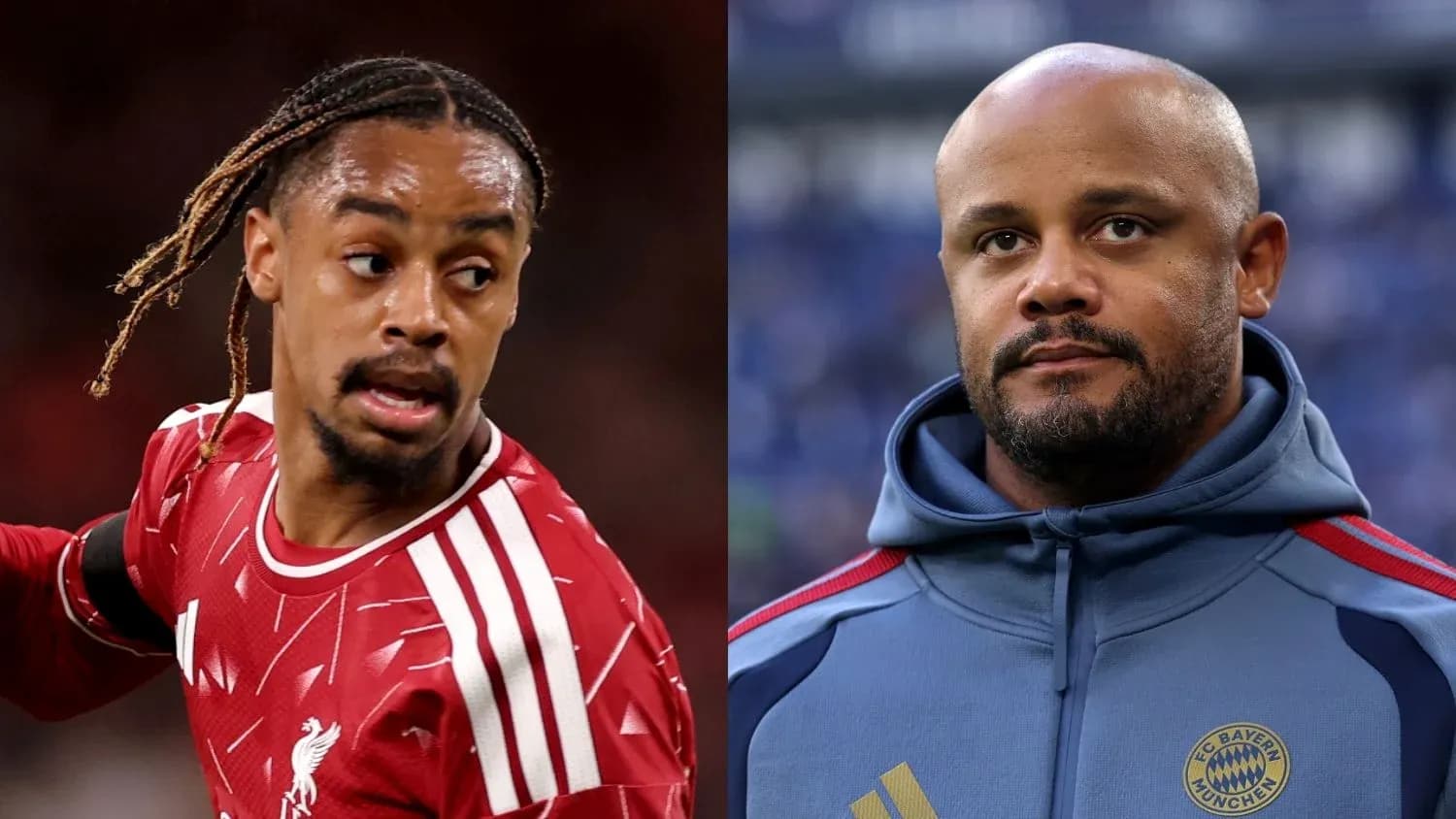
The comparison isn’t perfect. Bradley Barcola is a better player and a more compelling market opportunity, especially if Cody Gakpo is heading out. But the principle holds: one forward does not solve problems that are spread across the pitch.
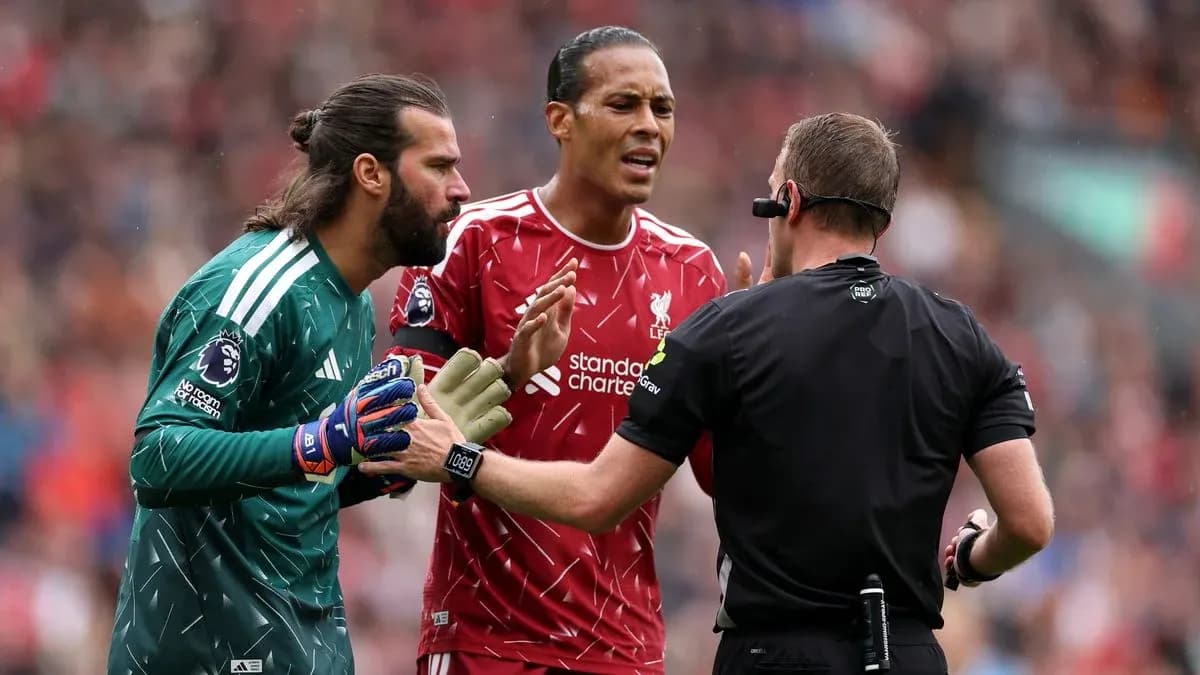
Watching Liverpool concede from a goalkeeper’s long punt and a penalty given away from a quick throw-in, then respond with well-worked equalisers, told a familiar story. They clearly need the £123m worth of business they’re chasing before the deadline – just not all of it in attack, and certainly not on a single player.
Andoni Iraola needs more than another winger. He needs a platform.
Bournemouth: late collapses and set-piece scars
Bournemouth have drawn a brutal hand from the cliché deck: “Struggle To Defend Set Pieces” and “Lose Points From Winning Positions” in back-to-back weeks.
Two games. One point. They led in the 83rd and 90th minutes and still couldn’t close either out. All three goals conceded have come from defenders. Both equalisers from corners.
It’s early, but that’s the kind of pattern that keeps managers up at night.
Gary O’Neil and Coventry: harsh lessons, harder schedules
Gary O’Neil’s Ipswich took a humbling at Old Trafford. The defeat itself stings, but the more brutal statistic remains: O’Neil is still the only manager to lose a Premier League game to Frank Lampard since October 2022, across 19 matches.
Coventry’s return to the top flight has been no softer.
They look undercooked off the pitch and unready on it. The schedule hasn’t helped. Opening away at the champions is the hardest fixture of the season. Following it with a home game against the Championship play-off winners demands a complete tactical reset in the space of a week.
Now they go to Manchester City.
It may get worse before it gets remotely better. Lampard has moved on from “The Basics” to “the details”, but the evidence so far suggests his players haven’t fully grasped either at this level.
The wheat is separating from the chaff already. The question now is who can still change which pile they end up in.