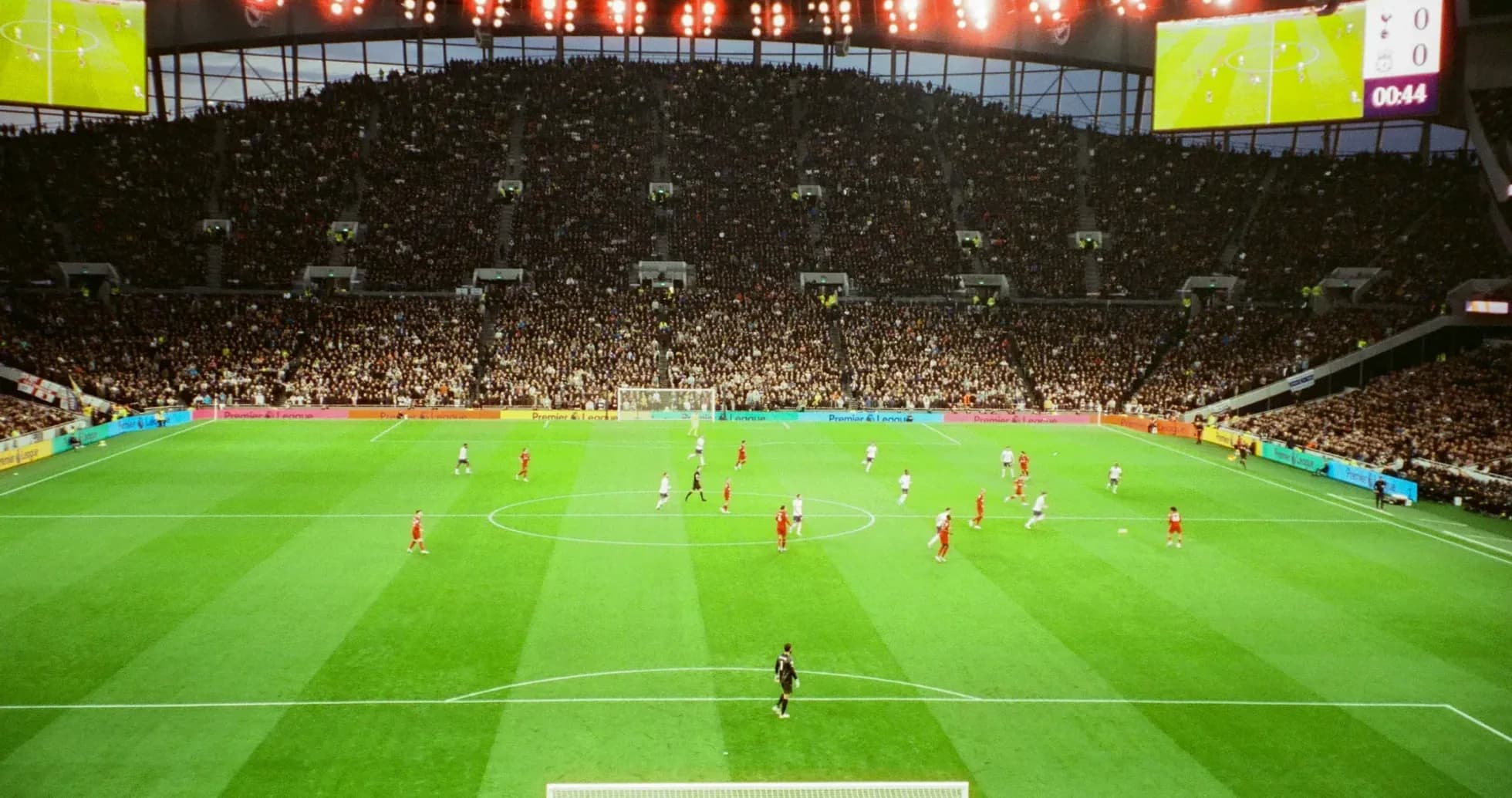
PSV Eindhoven vs Club Brugge KV: UEFA Champions League Clash
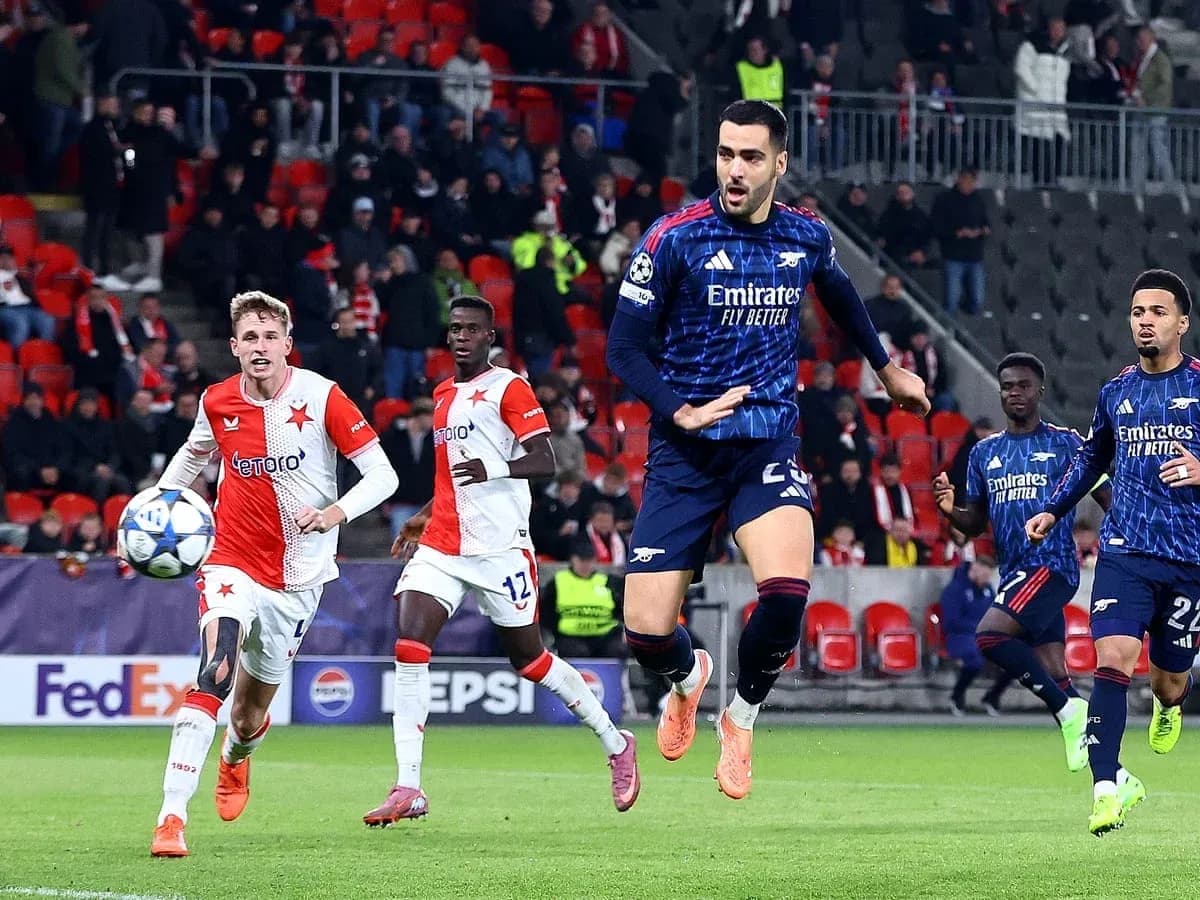
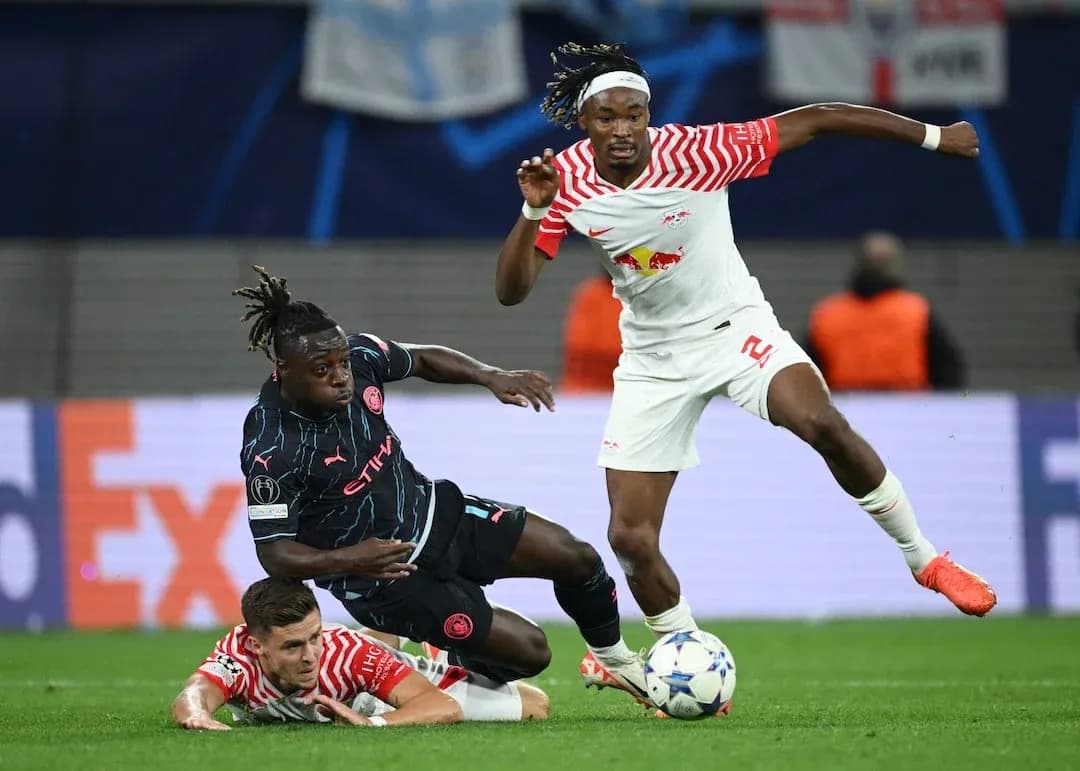
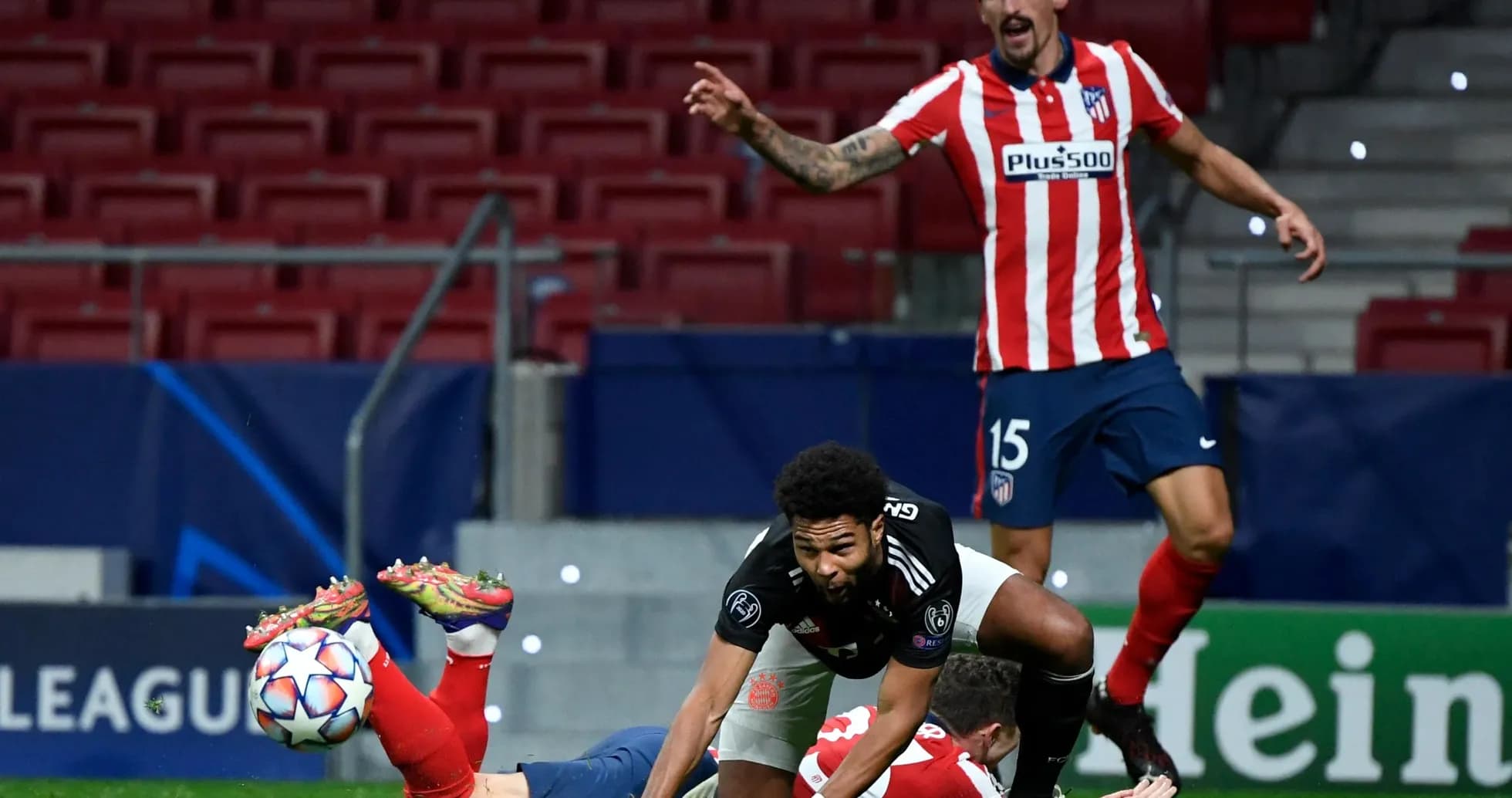
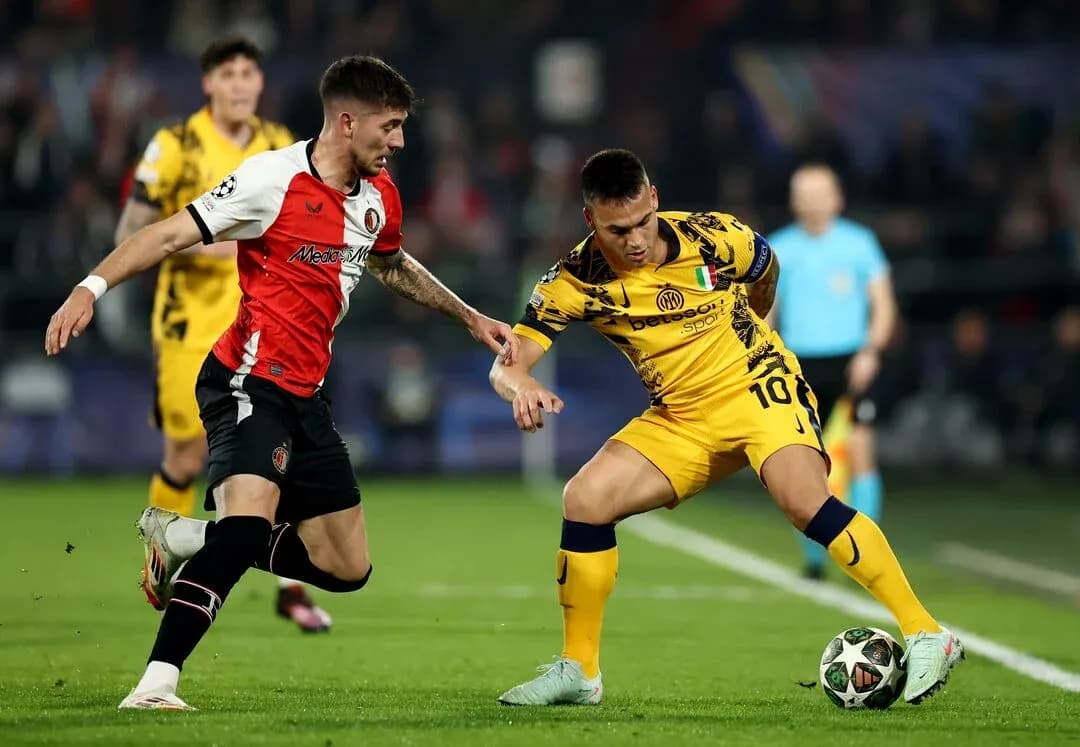
On the autumn night of 4 November 2026, the lights of Philips Stadion in Eindhoven will burn a little brighter. PSV Eindhoven welcome Club Brugge KV in the UEFA Champions League League Stage, with both sides eyeing a place in the Play Offs and little margin for error left in a short, unforgiving phase.
Season Context
For PSV Eindhoven, the League Phase has been a tightrope walk. They sit 18th in the League Phase table with 4 points from 3 matches, having scored 2 goals and conceded 2. That even goal difference underlines how fine the margins have been so far; every point at Philips Stadion now feels like a necessity if they want to turn “Play Offs” status from projection into reality.
Club Brugge KV arrive in a stronger position, 11th in the League Phase with 6 points from their 3 games. Their matches have been far more open: 9 goals scored and 6 conceded, giving them a positive goal difference of 3. That attacking productivity has them firmly in the Play Offs zone, but a trip to Eindhoven is a test of whether they can consolidate and perhaps push towards the upper reaches of the League Phase.
Form & Momentum
PSV Eindhoven’s recent Champions League run is summed up by the sequence “WLD” in the standings, a mixed pattern that reflects inconsistency. Over those 3 matches they average 0.7 goals scored and 0.7 conceded per game (2 for, 2 against across 3), suggesting a cautious, low-scoring profile where defensive solidity broadly matches limited attacking punch. At home they have drawn their only League Phase outing so far (1 goal scored, 1 conceded), reinforcing the sense of balance rather than dominance.
Club Brugge KV, by contrast, carry a more explosive “WWL” into this fixture. They have been one of the more adventurous sides in the League Phase, averaging 3.0 goals scored per game (9 in 3 matches) and 2.0 conceded (6 in 3). That blend of firepower and vulnerability points to high-variance football: capable of blowing teams away, but also open enough to be dragged into shootouts. A 100% scoring record in their 3 matches so far underlines the attacking threat they will bring to Eindhoven.
Head-to-Head Patterns
The recent history between these clubs is limited and, importantly, confined to friendlies rather than competitive Champions League nights. On 13 July 2024 they played out a 1-1 draw at PSV Campus De Herdgang in Eindhoven (1-1, Friendlies Clubs, season 2024, July 2024). Earlier, on 9 January 2020, Club Brugge KV edged a friendly meeting 2-1 with PSV Eindhoven listed as the home side (1-2, Friendlies Clubs, season 2020, January 2020). Those matches hint at a slight edge for the Belgians and a tendency for both to find the net, but the step up from Friendlies Clubs to the UEFA Champions League makes direct conclusions risky.
Tactical Preview
PSV Eindhoven’s Champions League statistics suggest a side built first on structure. Their most common setups have been 4-2-3-1 (used in 2 matches) and 4-3-3 (used once), systems that typically prioritise a solid double pivot or compact midfield three. With only 2 goals scored and 2 conceded across 3 games, PSV look like a team that tries to control tempo and manage risk, rather than engage in end-to-end chaos. One clean sheet in 3 and just a single match without scoring underline that they rarely collapse, but also rarely cut loose.
Personnel issues, however, could significantly shape how PSV approach this contest. They are confirmed to be without A. Nagalo (injury), S. Ouaissa (muscle injury), A. Plea (surgery) and J. Schouten (knee injury) for this very fixture, while S. Lammers (lacking match fitness) and P. Wanner (foot injury) are listed as questionable. That combination removes defensive options, creativity and attacking depth from the equation, potentially forcing PSV to be even more cautious in their structure and more reliant on squad players from their extensive midfield and attacking pool.
Club Brugge KV mirror PSV’s primary shape with their own preference for 4-2-3-1 (used twice) and occasional use of 4-5-1. The difference lies in how aggressively they deploy it: 9 goals scored in 3 games in this competition, with averages of 2.5 at home and 4.0 away, point to a side that commits numbers forward and attacks in waves. The flip side is a concession rate of 2.0 per game (6 in 3), including 3 goals shipped in their single away match, which leaves space for PSV to exploit transitions if they can break the first line of pressure.
Club Brugge KV will also be missing at least one defensive piece, with J. Ordoñez ruled out due to a foot injury for this fixture. That absence in the back line could further encourage PSV to test the visitors with crosses and set plays, especially if Brugge maintain their front-foot approach.
A key figure for the visitors is N. Tresoldi, one of the standout performers in this Champions League campaign. With 4 goals in 3 appearances, supported by 11 shots (7 on target) and 2 successful penalties, he offers a ruthless edge in the box. His movement and finishing will be the primary concern for a PSV defence that has otherwise kept opponents to just 0.7 goals per game.
Statistical Snapshot
- Competition: UEFA Champions League, season 2026 — 4 November 2026.
- Venue: Philips Stadion, Eindhoven.
- Prediction: Winner : Club Brugge KV — Winner : Club Brugge KV.
- Win Probabilities: Home 10% / Draw 45% / Away 45%.
- Model: PSV Eindhoven 37.5 — Club Brugge KV 62.5.
Betting Verdict
The prediction models lean towards Club Brugge KV, with only a 10% assigned chance to a PSV Eindhoven win and 45% each for draw and away victory, while the comparison model also favours Brugge overall (62.5 against PSV’s 37.5). Yet the bookmakers paint a more balanced picture: home odds between 2.05 and 2.13 imply roughly a 47–49% chance for PSV, while away prices from 2.74 to 3.16 suggest around a 32–36% chance for Club Brugge KV, with the draw in the 4.00–4.47 range (about 22–25%). Given Brugge’s far superior attacking record in the League Phase (9 goals to PSV’s 2 over 3 matches) and the Dutch side’s significant injury list, a cautious angle is to side with the visitors on a draw-no-bet or double-chance line, while respecting the high draw probability indicated by both the model and the market.