Rafael van der Vaart criticizes Koeman’s tactical gamble as Netherlands exit
Rafael van der Vaart did not bother with diplomacy. Live on Dutch broadcaster NOS, the former Real Madrid midfielder watched the Netherlands’ campaign unravel and went straight for the heart of the problem: Ronald Koeman’s tactical gamble and a midfield left to be picked apart by Morocco.
The Dutch had dragged themselves through a tricky group, found a bit of rhythm, and looked like a side slowly growing into the tournament. Then Koeman ripped up the plan.
“You get through a difficult group stage reasonably well. Then things start clicking a bit. What goes on in your head that makes you change everything against Morocco? I don't understand it one bit,” Van der Vaart said, his frustration spilling over as he dissected a performance that never settled, never controlled, never convinced.
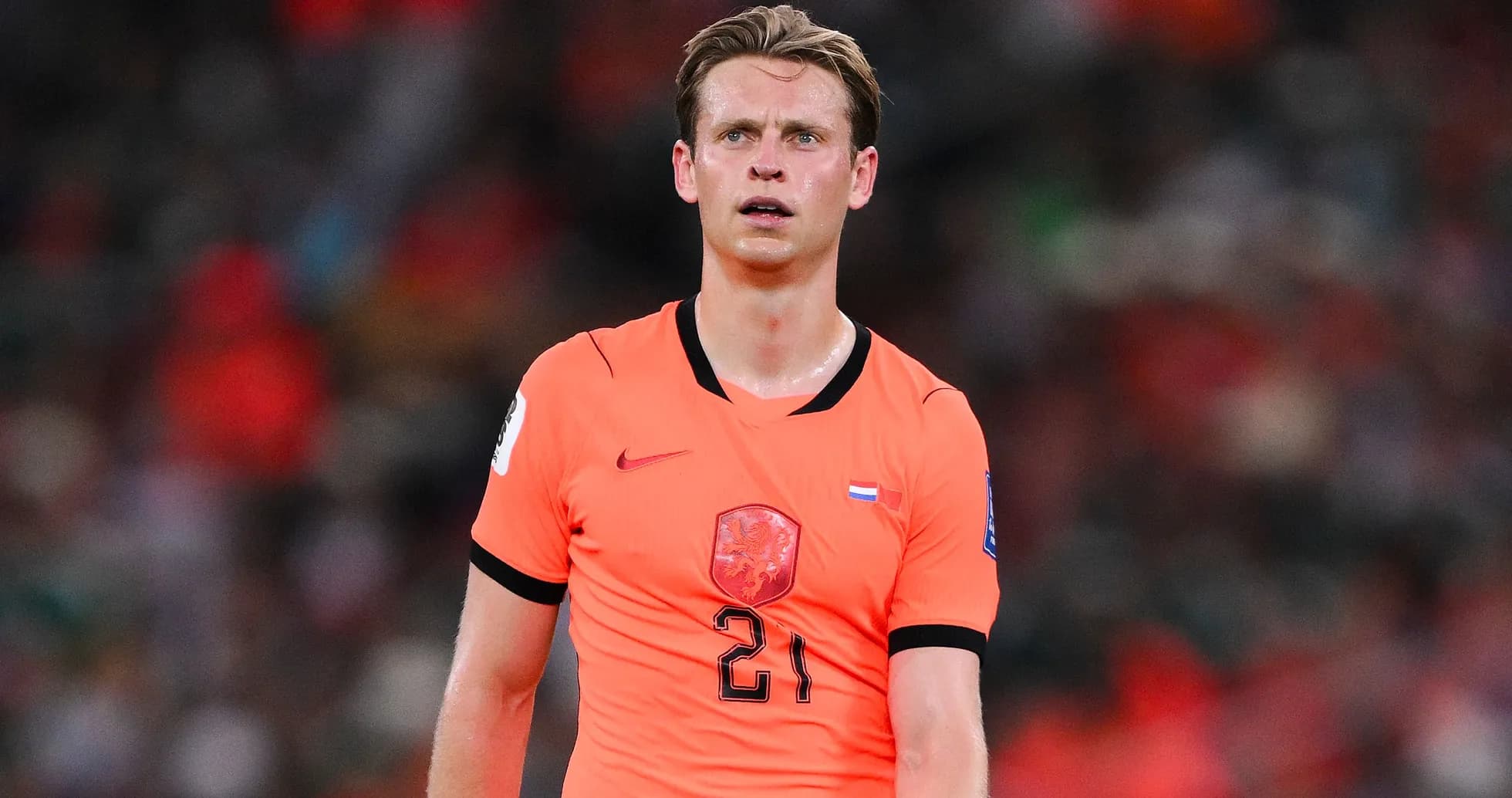
At the centre of his anger stood Frenkie de Jong. Normally the metronome, the man who dictates the tempo and drags his team up the pitch, he endured a night to forget.
“Frenkie played the absolute worst game I’ve ever seen from him today. Truly disappointing. But is that because of the system?” Van der Vaart asked, turning the criticism back towards the dugout.
Koeman had chosen to face Morocco’s biggest strength with his own biggest weakness. He thinned out the midfield, left central areas exposed and, in doing so, stripped his side of their most natural weapon: control of the ball. Against a Morocco side built on intensity, numbers and quality between the lines, it was a tactical invitation.
The pressure told. The Dutch were overrun in the middle of the pitch, forced into chasing, never dictating. The very zone where Morocco thrive became a glaring orange void.
“I think Morocco's midfield is their strongest asset. And then you decide to play against them with just two men? I didn't study to be a manager, but that seems a bit clumsy to me,” Van der Vaart said. The word “clumsy” hung in the air – a simple description, but a brutal one.
The knock-on effect was inevitable. With so few options around him and so little possession, De Jong disappeared from the contest. The player who needs the ball to influence a match barely saw it.
“Frenkie is only effective when you have the ball, but we didn't have the ball at all today, so Frenkie was completely invisible. And he is supposed to be our main man...” Van der Vaart added, underlining just how far the Dutch had drifted from their intended identity.
Even the goal-scorer, Cody Gakpo, became a symbol of the dysfunction. He found the net, but he never truly entered the game as a constant threat.
“Plus, Cody Gakpo scored the goal, but of course, he was barely involved either,” Van der Vaart said, pointing to a front line starved of service and structure.
Koeman’s big idea had backfired. His reshaped midfield, already light on numbers, looked even more fragile as the minutes ticked by. De Jong, reduced from conductor to bystander, eventually made way for Marten de Roon after 110 minutes – a substitution that felt more like a belated admission than a solution.
While Morocco now look ahead to a last-16 tie against Canada in Houston, buoyed by a performance that played to all their strengths, the Netherlands fly home to face the inquest. This is not just about one bad night; it is about a direction questioned, a hierarchy under pressure, and a squad whose age profile and limitations were exposed on the biggest stage.
Koeman must now confront the fallout. The tactical choices that left his team so vulnerable. The reliance on key figures who could not bend the game to their will. The sense that this version of the Netherlands has reached the end of a cycle.
Significant changes feel less like an option and more like a necessity before the next international window arrives. The question is not whether Koeman will adjust, but how radically he dares to reshape a team that just discovered, in brutal fashion, what happens when you abandon your strengths against an opponent playing to theirs.