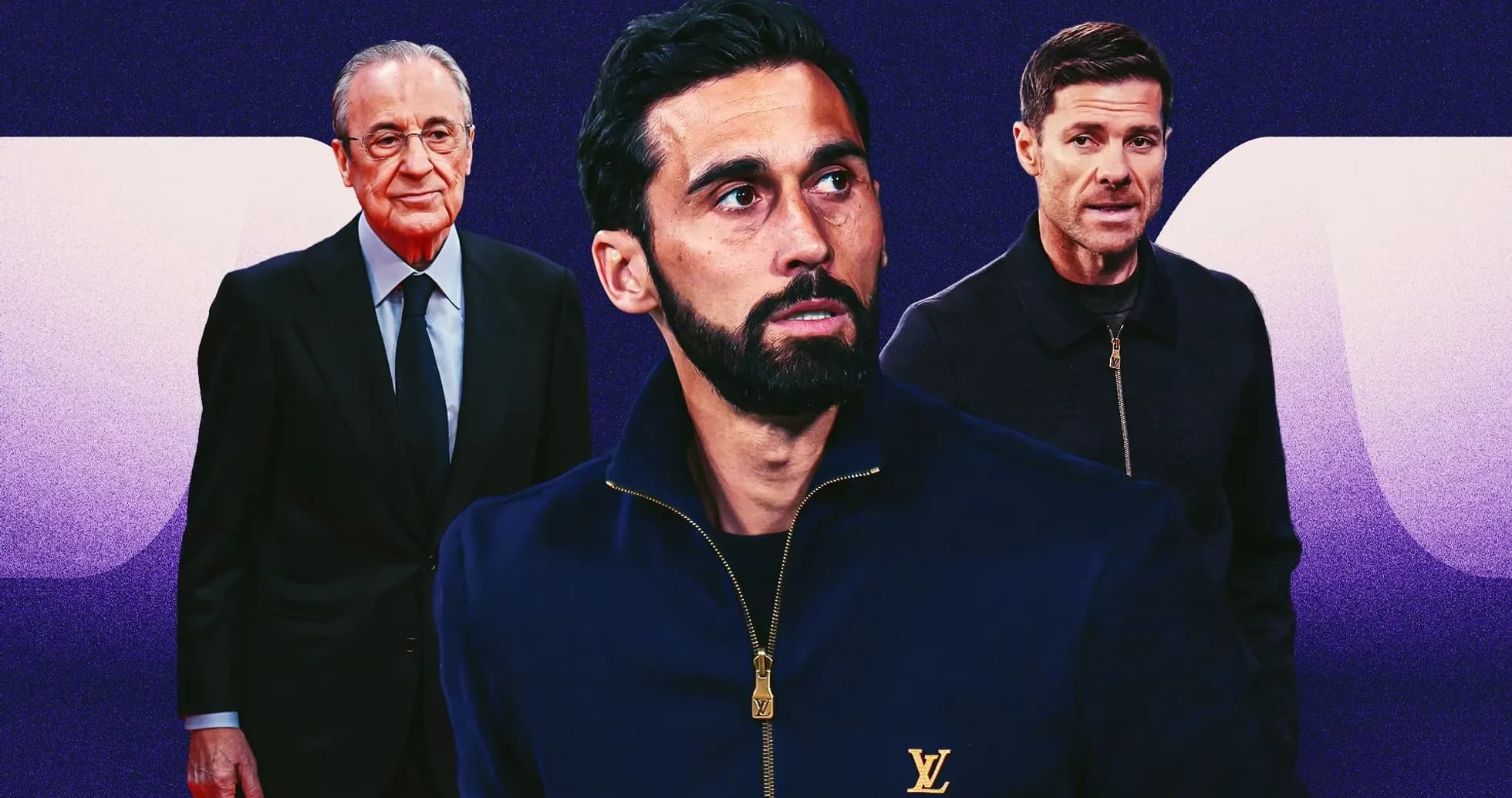
Real Madrid's New Era: Arbeloa Takes the Helm
Alonso had barely eased his car out of its space at Valdebebas when Álvaro Arbeloa reversed straight into it. A minor collision in a training ground car park, on a day when everything at Real Madrid crashed at once.
January 12 moved at Madrid speed. Alonso’s sacking had been coming, everyone knew that, but the execution still felt brutal. One statement, no build-up, no theatre, no “tic tac” countdown on late-night TV. Just a flat communiqué:
“Real Madrid C.F. would like to announce that Alvaro Arbeloa will be the new first team coach.”
No interim tag in that line. No timeframe. No fanfare. Just a new man in the chair.
From soap opera to stone face
The end of Alonso’s reign had turned into a telenovela. Arguments with Vinicius Jr. Training ground tension. Bernabéu grumbles. Football that felt heavy, joyless, strangely muted for a squad this talented.
Madrid, a club that usually does chaos with style, opted for something colder. No emotional farewell, no grand unveiling. Just a clean cut and a familiar face.
Arbeloa walked into his first press conference and refused to play the sentimental card. No misty-eyed talk about his past as a player, no dwelling on the badge. He went straight to the script Madrid demand.
“This club is about winning, winning, and winning again,” he said. “Those demands are a reflection of the DNA that has brought us here, to this trophy-laden history. When I was a player, I learned those values from the people in that dressing room. They’re still there, and that’s what matters. We want to excite fans all over the world and help fill those trophy cabinets even more. That’s my job and what I’ll live for every day.”
It was classic Madrid rhetoric. But the real question in the room hung there, unanswered: what exactly was this job? A few weeks? The rest of the season? A long-term bet?
Arbeloa dodged the specifics.
“I’ve been at this club for 20 years, and I’ll be here as long as Real Madrid want me to be. This is my home, and it always will be.”
Home or not, the welcome was harsh.
A dream of kids, a nightmare of Albacete
Arbeloa arrived with one clear promise: the academy boys he had nurtured at La Fábrica would get their shot. The Copa del Rey, away to second-tier Albacete, looked like the perfect soft landing. Four debuts, a gentle night, a new era.
Instead, Madrid were punched in the mouth.
They lost 3-2, undone by a 94th-minute goal. A symbolic start: the man promoted for his work with youth watched his kids collapse in stoppage time to a Segunda side.
La Liga offered no consolation. The title race has become a slow, joyless slide. Over three months, Madrid have slipped out of contention almost ritualistically. They sit nine points behind Barcelona. Even if they win El Clásico next month, the numbers and the football both say the same thing: catching Barça looks like a fantasy.
On the raw stats, Arbeloa has not been an upgrade. Alonso’s record, from the Club World Cup to early January: 34 games, 24 wins, six defeats. At most clubs, that’s more than acceptable. At Madrid, it was framed as not enough. He lost to PSG, Liverpool, Atlético Madrid, Celta Vigo, Barcelona and Manchester City. None of those results helped him. The Celta defeat was a stain. Losing at Anfield and then to Barça in the Supercopa final felt like body blows that finished him.
Yet most of those opponents were at least on Madrid’s level, if not better.
Arbeloa’s slate is different. Twenty games, 13 wins, six defeats, one draw. A lower win percentage. And the names on the other side of those losses are harder to excuse: Bayern, yes, but also Mallorca, Getafe, Osasuna, Benfica and that Albacete shock.
For a club that preaches superiority, those scars cut deep.
From systems to “let them play”
The contrast in approach is just as stark.
Alonso was a systems man to the end. He adjusted to fit Vinicius Jr. and Kylian Mbappé into the same side, but he always demanded defensive work, structure, control. Players had defined tasks. Modern, meticulous, and, at Madrid, ultimately unforgiving.
The irony is that Arbeloa made his name in the academy with a similar seriousness. He was a 4-3-3 believer, building teams around tempo-controlling midfielders like Thiago Pitarch, now in the first team. His sides wanted the ball, but they played quickly, cutting through the thirds while keeping a clear structure.
That identity vanished almost as soon as he took over.
Arbeloa ditched his 4-3-3 and drifted into the same 4-4-2 limbo that had already chewed up Carlo Ancelotti. It was a quiet admission: Madrid, in this era, are less a tactical project than a collection of elite individuals to be managed more than coached.
Give them a loose framework, keep them happy, and trust their talent. That has become the logic.
The price has been obvious. Madrid now look languid for long stretches, ideas running dry. The same attacking patterns repeat, and opponents have learned the script. Sit deep, crowd Vinicius, spring the counter. A cold run from Mbappé has only sharpened the problem.
Madrid are no longer just predictable. They are beatable.
Outplayed in Munich, kept alive by the usual ghosts
The 2-1 defeat to Bayern last week laid the gap bare. Bayern didn’t just win; they carved Madrid open. For an hour, the Germans sliced through them and could have been three or four up.
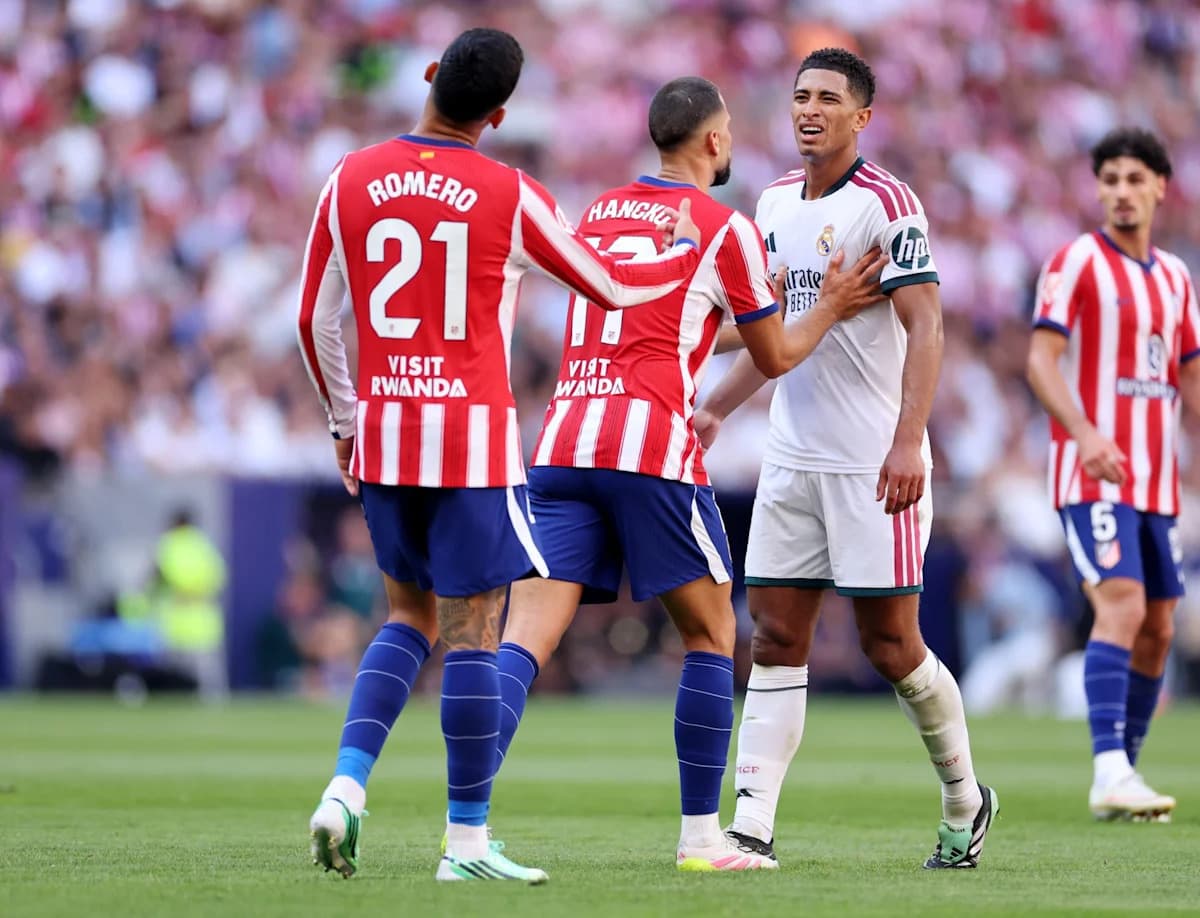
That Madrid are still alive in the tie says more about individual brilliance than any grand plan. Vinicius’ right foot, Jude Bellingham’s relentless work – those are the reasons this isn’t already over.
And yet, the script feels strangely familiar.
These are exactly the nights Madrid tend to bend to their will. Their Champions League mystique is often overstated, but it is not a myth without evidence. Belief, work rate, and a deep, almost irrational faith in the badge have carried this club through logic-defying comebacks before.
Joselu morphing into a Harry Kane-style No.9 for key spells. Thibaut Courtois’ supernatural performance in the 2022 final against Liverpool. Rodrygo, a player who does not make a living with his head, rising to nod in that goal against Manchester City because, at Madrid, of course he did.
Bayern feels like another one of those crossroads. Man for man, they look stronger in defence, midfield and attack. Arbeloa himself admitted they will have to be better “all over the pitch” than they were in Munich.
Yet these are the conditions Madrid almost relish. Back to the wall. Outgunned on paper. The kind of adversity they twist into mythology.
Arbeloa’s night, or Arbeloa’s end
The timing only adds to the tension. Vinicius and Mbappé both laboured in the draw with Girona on Friday, a flat performance when Madrid needed a lift. Now they walk into a second leg against the best team in Europe needing to overturn a 2-1 deficit.
What better stage to rediscover their edge?
Arbeloa certainly leans into the narrative. “Real Madrid’s history is built on overcoming difficult challenges like tomorrow,” he said. He talks about belief, about remontadas, about the comfort this club supposedly finds in big nights.
He has become the “vibes” coach, the man who loosened his principles to let the stars breathe, who speaks the language of the dressing room and the stands. In European terms, he is following the well-thumbed Madrid playbook.
But there is a crucial difference.
Previous coaches could point to a body of work, a CV that demanded patience. Ancelotti, even as a legend, saw his position questioned before he conjured famous European wins. Others survived storms because of what they had already proved.
Arbeloa has no such shield. No major track record as a head coach. No clear contract horizon. He has been thrown into the hottest job in club football armed with little more than an understanding of “the Madrid way” and the trust of people upstairs.
It is not fair to ask any coach to deliver a miracle just to justify keeping his job.
Then again, Real Madrid has never pretended to be fair.
This Bayern tie is not just another European night. It feels like Arbeloa’s personal remontada or his final act. If Madrid cannot find one more improbable comeback, what real argument is left to keep him in the dugout?