Real Madrid 2–1 Benfica: Vinícius Júnior Scores Winner in Champions League
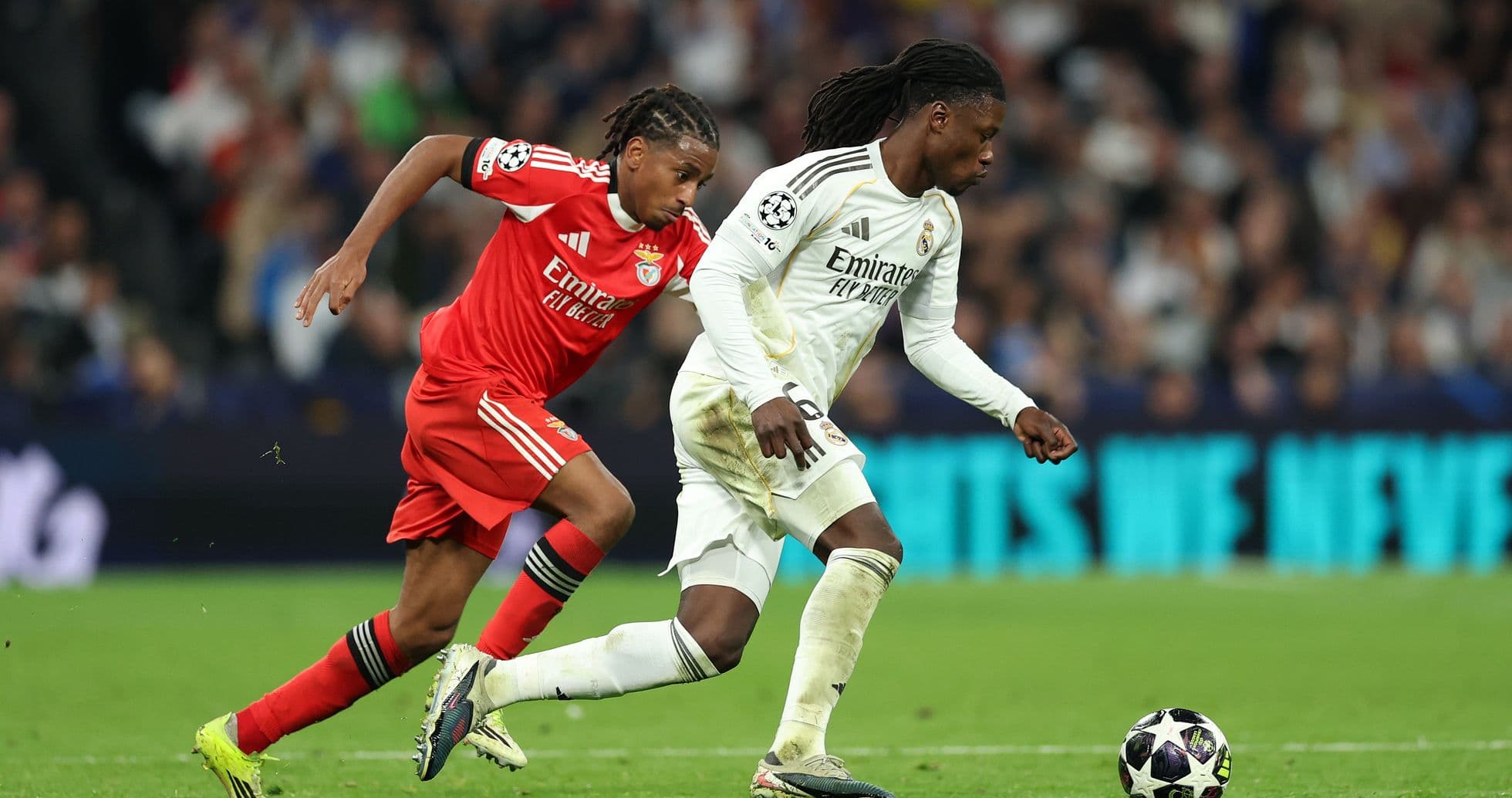
On a tense Champions League Round of 32 night at the Bernabéu, Real Madrid came from behind to beat Benfica 2–1 and take a slender advantage into the second leg. Rafa Silva’s early strike briefly silenced Madrid, but Aurélien Tchouaméni levelled within two minutes before Vinícius Júnior delivered the decisive blow on 80'. Alvaro Arbeloa’s side, who started the evening 9th in the overall Champions League table, reinforced their status as one of the competition’s form teams, while Jose Mourinho’s 24th‑ranked Benfica were left to rue missed opportunities and a disallowed Madrid goal via VAR.
First-half analysis
Benfica struck first, punishing Real Madrid’s slow start. On 14', Rafa Silva found the net with a normal goal, giving Mourinho’s side a precious away lead and briefly tilting the tie in favour of the Portuguese club. The advantage, however, was short-lived.
Just two minutes later, on 16', Real Madrid hit back. Tchouaméni, pushed into a key midfield role by Arbeloa, equalised for the hosts, with Federico Valverde providing the assist. The rapid response restored calm at the Bernabéu and reasserted Madrid’s attacking threat.
The half’s pivotal controversy arrived on 34' when Arda Güler thought he had put Madrid ahead, only for VAR to intervene. The goal was cancelled, denying the young midfielder a marquee Champions League moment and keeping the score at 1–1. Benfica’s Richard Ríos then went into the book on 35' for a foul, a sign of the increasing edge in midfield battles as the interval approached. With no further scoring, the teams went into half-time level, the tie finely balanced.
Second half and tactical shifts
The second half opened with more needle than fluency. On 51', Benfica’s defensive leader Nicolás Otamendi was shown a yellow card for a foul, underlining the strain Madrid’s forwards were beginning to place on the visitors’ back line. Real’s own back four were not immune to pressure either: centre-back Raúl Asencio collected a booking on 57' after a foul, reflecting Benfica’s continued willingness to push forward when space appeared.
Arbeloa made his first significant tactical interventions on 77'. Asencio, already on a yellow, was withdrawn and replaced by David Alaba, a like-for-like change at the heart of defence that added experience and composure for the closing stages. Simultaneously, Eduardo Camavinga made way for forward Franco Mastantuono, an attacking tweak that shifted Madrid’s shape closer to a 4‑3‑3 and signalled Arbeloa’s intent to chase the win rather than settle for 1–1.
The gamble paid off quickly. On 80', Vinícius Júnior struck what proved to be the winner, again assisted by the influential Valverde. The Brazilian’s goal capped Madrid’s growing territorial control and rewarded Arbeloa’s proactive substitutions.
More fresh legs followed on 84', with Arda Güler replaced by César Palacios in midfield and Gonzalo García making way for Thiago Pitarch up front, moves that balanced energy and game management. Mourinho responded on 85', withdrawing Fredrik Aursnes for Enzo Barrenechea and Andreas Schjelderup for Franjo Ivanović, injecting a more attacking profile in search of a late equaliser.
Deep into stoppage time, Arbeloa made a final defensive adjustment, swapping left-back Álvaro Carreras for Fran García on 90+1'. At the same moment, Benfica replaced Leandro Barreiro with defender Sidny Lopes Cabral, a curious late change that suggested Mourinho was also mindful of avoiding a wider deficit. The last notable incident came on 90+6', when substitute César Palacios received a yellow card for a foul, emblematic of Madrid’s willingness to disrupt Benfica’s late rhythm to protect the lead.
Statistical deep dive
Over the 90 minutes, Real Madrid controlled 56% of the ball, with 568 total passes and an impressive 90% pass accuracy, compared to Benfica’s 44% possession, 440 passes and 86% accuracy. Madrid’s superior control allowed them to dictate tempo for long spells, though Benfica remained competitive and organised without the ball.
In attack, the numbers tell a nuanced story. Madrid produced 14 total shots to Benfica’s 12, with both sides registering four shots on goal. Yet the expected goals data tilts slightly towards the visitors: Benfica’s xG of 1.98 exceeded Madrid’s 1.11, suggesting Mourinho’s side carved out chances of higher quality but lacked the clinical edge to match. Both goalkeepers finished with negative “goals prevented” values (-1 each), indicating that finishing rather than shot-stopping defined the scoreline.
Discipline reflected a combative, but not reckless, contest. Madrid committed 16 fouls to Benfica’s 10 and collected two yellow cards (Asencio and Palacios), while Benfica also saw two bookings (Ríos and Otamendi). The fouls and cautions clustered around midfielders and defenders, highlighting how fiercely the central zones and defensive lines were contested.
Standings and implications
For Real Madrid, already sitting 9th in the Champions League overall table with 15 points and a +9 goal difference before this match, the win strengthens their trajectory in the knockout phase and reinforces their strong home record (now three wins from five at the Bernabéu in this campaign). Benfica, 24th with 9 points and a -2 goal difference, face an uphill task in the return leg, especially given their away struggles: three defeats in five on the road and just two away goals before this tie. The narrow margin, however, keeps Mourinho’s team alive, albeit under significant pressure to overturn the deficit in Lisbon.