Real Madrid vs Rayo Vallecano: A Dominant 4-1 Victory
Under the Bernabéu lights, this was billed as a test of early‑season identities as much as a simple league fixture. Real Madrid, already shaping the 2026 La Liga campaign with an aggressive, front‑foot blueprint, came into Regular Season - 5 sitting 2nd with 12 points, four wins from five and a total goal difference of +10 (14 scored, 4 conceded). Rayo Vallecano arrived from the other end of the table in 16th, on 4 points, their total goal difference a worrying -6 (8 scored, 14 conceded). The final 4–1 scoreline simply confirmed what the numbers had been whispering all week: this was a heavyweight attack meeting a fragile defence.
I. The Big Picture – Structures and Seasonal DNA
Both sides lined up in a 4‑2‑3‑1, but the shared formation masked very different intentions.
For Real Madrid, José Mourinho doubled down on what has been their defining pattern this season. At home, they had been devastating: 3 wins from 3, 12 goals scored and only 2 conceded, an average of 4.0 goals for and 0.7 against at the Bernabéu. The chosen XI reflected that attacking arrogance. T. Courtois anchored a back four of D. Dumfries, I. Konaté, A. Rüdiger and Álvaro Fernández – a blend of power and vertical ambition from full‑back. Ahead of them, F. Valverde and Bernardo Silva formed a double pivot that was anything but conservative: two press‑resistant carriers and passers tasked with launching waves rather than merely screening.
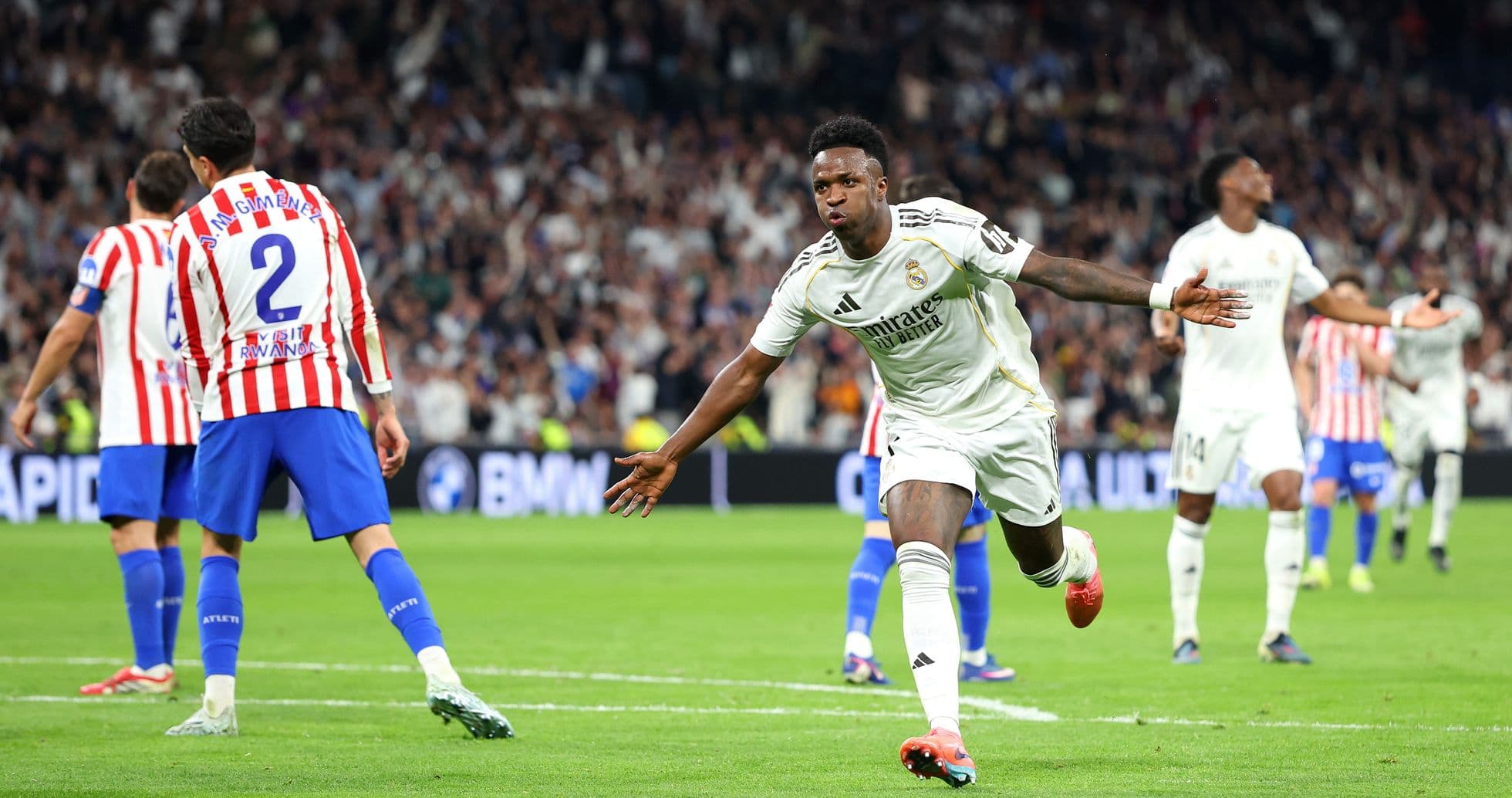
The line of three behind Kylian Mbappé was pure menace. Y. Diomande in the right half‑space, J. Bellingham central and Vinícius Júnior from the left gave Madrid three different ways to break lines: physical surges, third‑man runs and direct dribbling. Mbappé, already on 6 league goals with a total rating of 8.14 and a frightening 29 shots (21 on target) in just five appearances, was the spearhead.
Rayo, by contrast, arrived with a season split in two. At home, they had been competitive – unbeaten with 1 win and 1 draw, 4 goals scored and 3 conceded, averaging 2.0 goals for and 1.5 against. On their travels, though, the story was bleak: 3 away defeats from 3, 4 goals scored but 11 conceded, an away average of 1.3 goals for and 3.7 against. Beñat San José still opted for ambition in his structure: E. Audero in goal behind a back four of A. Rațiu, F. Lejeune, P. Ciss and Adrià Pedrosa, with G. Bouare and Unai López as the double pivot. Ahead of them, G. Tsitaishvili, Pedro Díaz and Álvaro García supported Sergio Camello, La Liga’s leading scorer with 6 goals from just 11 shots on target and a 7.91 rating.
II. Tactical Voids – Absences and Discipline
Both managers had to navigate significant absences, which shaped the tactical chessboard.
For Real Madrid, the defensive line was missing Eder Militao (hamstring) and F. Mendy (hip), while Rodrygo’s knee injury removed a high‑end right‑sided runner from the rotation. Mourinho’s answer was to trust Konaté and Rüdiger as an aggressive central pairing and lean on Dumfries and Álvaro Fernández for width. The bench, though, underlined the depth: T. Alexander-Arnold, E. Camavinga, Marc Cucurella, Brahim Díaz, Endrick, Carlos Espí, A. Güler, D. Huijsen, A. Lunin, Thiago Pitarch and A. Tchouaméni offered multiple in‑game adjustments.
Rayo’s voids were even more severe and, crucially, concentrated in the attacking and creative zones. A. Batalla (broken calf bone), Luiz Felipe (hamstring), R. Nteka (muscle), I. Palazon (muscle) and J. Vertrouwd (muscle) were all out, while Fran Pérez and Jorge de Frutos missed out through red‑card suspensions. Those last two are particularly important: both appear among La Liga’s top red‑carded players, and their absence stripped Rayo of edge and depth in wide areas.
Disciplinary trends added another layer. Real Madrid’s season card profile shows yellow cards spread, but with 25.00% of their cautions between 46–60 minutes and another 25.00% between 61–75, plus a late spike of 25.00% between 91–105. That suggests a side that pushes intensity through the middle and late phases, sometimes overstepping as they protect or extend leads. Rayo, by contrast, accumulate 40.00% of their yellows between 61–75 and 30.00% between 76–90, with a notable 50.00% of their reds coming between 76–90. This is a team that frays under late pressure – exactly when Madrid tend to keep the foot down.
III. Key Matchups – Hunter vs Shield, Engine Room Battles
The headline duel was always going to be Mbappé and Vinícius versus Rayo’s defensive structure. Heading into this game, Madrid’s overall scoring average was 2.8 goals per match, while Rayo were conceding 2.8 per match overall and a brutal 3.7 away. Madrid’s home goals for (12) versus Rayo’s away goals against (11) after just a handful of fixtures painted the “Hunter vs Shield” mismatch vividly.
Mbappé’s profile – 6 goals, 1 assist, 31 dribbles attempted with 20 successful – demanded that Lejeune and Ciss defend huge spaces. With Vinícius adding 3 assists, 11 successful dribbles from 27 attempts and 19 fouls drawn, the left‑sided channel was always likely to bend Rayo’s back four out of shape. Any over‑commitment from Rațiu or Bouare to that flank opened corridors for Bellingham’s late surges.
In the engine room, Bellingham versus Unai López was the key strategic axis. Bellingham arrived with 3 goals, 2 assists and 12 key passes, plus 8 tackles and 3 blocks – a complete midfielder who influences both boxes. Unai López, for his part, had 3 assists, 12 key passes and 11 tackles, the creative metronome and first presser in Rayo’s scheme. But López’s duel load (50 total, 21 won) and card profile (1 yellow) suggested he would be asked to do too much: build play, press Bellingham and track Valverde’s vertical runs.
Behind them, Valverde and Bernardo Silva were tasked with controlling transitions. Valverde’s energy allowed Madrid to counter‑press immediately after loss, while Bernardo’s 88% passing accuracy and ability to play through pressure ensured that once Madrid broke the first line, they could pin Rayo deep. That, in turn, limited the supply into Camello, who thrives on quick deliveries and early entries into the box rather than slow, set attacks.
IV. Statistical Prognosis – Pressure, Penalties and Probability
The underlying numbers made a Real Madrid win the overwhelmingly likely outcome. At home, they were scoring 4.0 and conceding 0.7 on average; Rayo away were scoring 1.3 and conceding 3.7. Over 90 minutes, that projects a multi‑goal margin if Madrid play anywhere near their level.
One subtle wrinkle was Madrid’s penalty record. They had earned 2 spot‑kicks this season but converted only 1, with 1 missed – a 50.00% success rate that underlines a small but real inefficiency from the spot. In a tighter contest, that could have mattered. Here, with open‑play superiority and a constant stream of chances generated by Mbappé, Vinícius and Bellingham, it was unlikely to tilt the balance.
Rayo’s lack of any penalties taken so far (0 scored, 0 missed) hinted at a side that spends more time defending its own box than attacking the opposition’s, especially away. Combined with zero clean sheets in total and a tendency to collect late yellow and red cards, the statistical prognosis was stark: once Madrid established control, the visitors were always likely to crack.
In the end, the 4–1 full‑time scoreline simply gave shape to the pre‑match logic. Madrid’s 4‑2‑3‑1, powered by Mbappé’s cutting edge, Bellingham’s two‑way authority and Vinícius’ relentless aggression, overwhelmed a Rayo side stretched by absences and haunted by its away‑day fragility. From the first whistle to the final minute, this was a story of one squad operating at its ceiling, and another exposed at its limits.