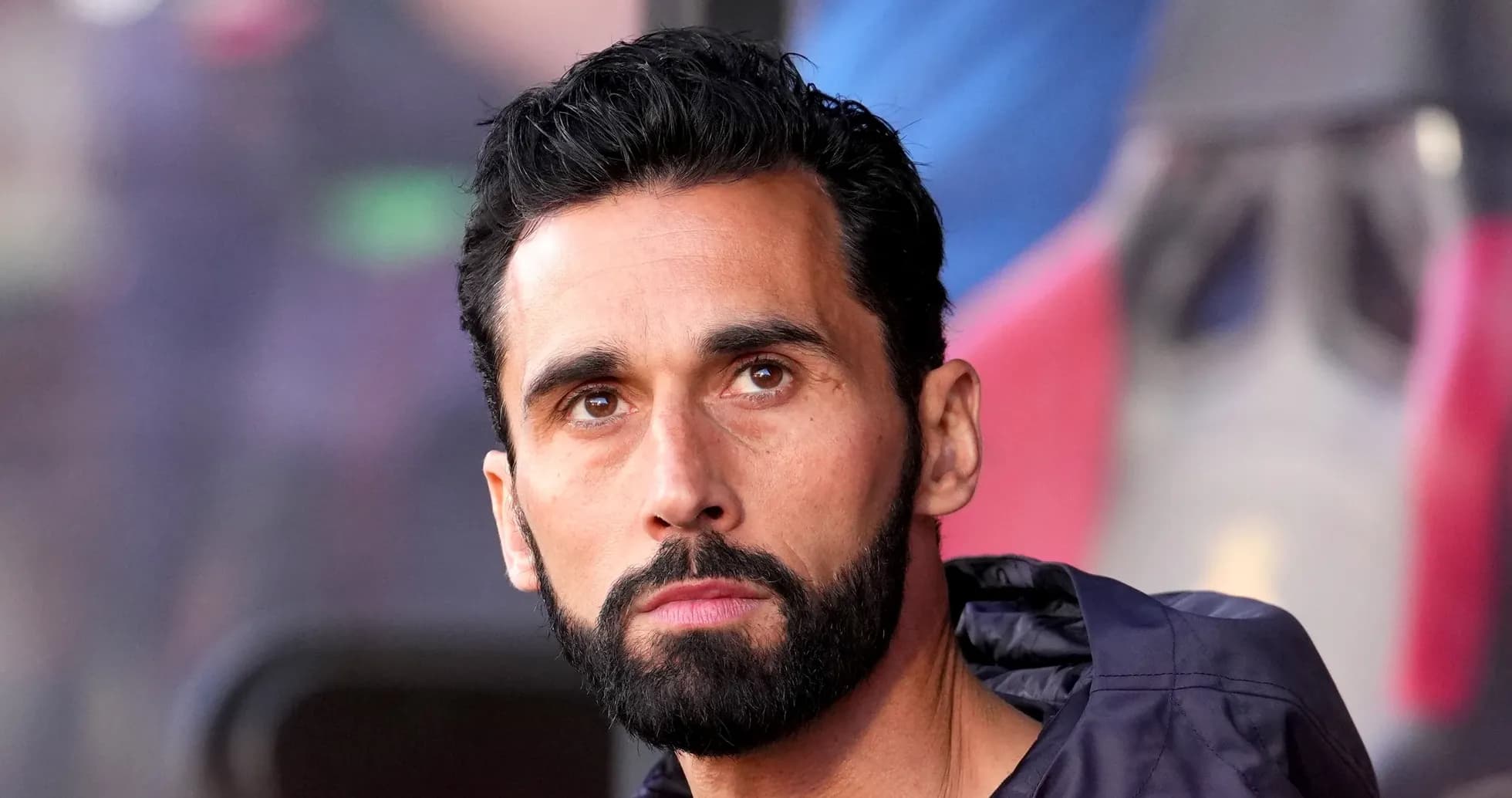
Real Madrid's Tactical Crossroads: Selecting the Right XI for Bayern
Real Madrid stand on the edge of the season’s defining stretch, staring down a European semi-final and, beyond that, the promise of Budapest on 30 May. The path looks familiar; the doubts do not.
Álvaro Arbeloa, usually a coach of firm convictions and a settled XI, suddenly finds himself at a tactical crossroads. The defeat to Mallorca has cracked open a debate inside Valdebebas: trust the hierarchy and its hardened leaders, or roll the dice on the energy and daring of the youngsters who have been pushing at the door all year.
Militão or Hoesen: One Vacancy, Two Statements
The first fault line runs straight through the heart of the defence. Antonio Rüdiger is untouchable. The question is who stands next to him.
Éder Militão has just come back from nearly four months out, and he did not tiptoe his way into the team. He scored against Mallorca, showed sharp movement, and reminded everyone why he is seen as one of the club’s defensive pillars. Pace, experience, aggression – he brings all three, and in knockout football those qualities tend to win arguments.
Dean Hoesen, though, has complicated the picture. His performance against Manchester City caught the eye, not with last-ditch tackles, but with how he handled the ball. Calm under pressure, crisp in his passing, he helped Madrid play out from the back and open up angles that simply weren’t there before. Against Bayern, a side that presses high and punishes any panic, that ability to build calmly from deep could be priceless.
So Arbeloa must choose his weapon. Militão offers security in the duels and big-game know-how. Hoesen offers a different kind of control, one that starts in the first phase of play. Whichever way he leans, the decision will say a lot about how Madrid intend to attack Bayern: by winning battles in the trenches, or by outplaying them from the first pass.
On the flanks, the picture looks clearer. Trent Alexander-Arnold and Fran García are expected to start, their roles already well defined: the Englishman dictating with his delivery and range of passing, García providing width and intensity on the left.
Midfield Dilemma: The Safe Hand or the Star Name?
If the defence poses a headache, midfield threatens a full-blown migraine.
One place is up for grabs. Two very different profiles are knocking on the door.
Tiago Petarš has quietly become the glue in this side. He slots in next to Aurélien Tchouaméni, knits play together, and gives Federico Valverde and Arda Güler the freedom to burst into attacking lanes. His timing between the lines, his discipline off the ball, his understanding of when to speed up and when to slow the game – all of it has earned him the trust of the dressing room.
Then there is Gud Bellingham. On pure talent, there is no debate. His technique, his ability to carry the ball, his presence in the final third – he changes the temperature of a match the moment he steps onto the pitch. But the numbers tell another story: just 47 minutes across the last two games. He is still climbing back towards full match rhythm after injury, and throwing him straight into a high-intensity European tie would be a calculated risk.
Arbeloa must weigh the short-term reality against the long-term ceiling. Start Petarš, and Madrid gain balance and continuity. Start Bellingham, and they gamble on a player who could decide the tie with a single moment, but who may not yet have 90 minutes in his legs.
The decision will not just shape the midfield; it will shape the way Madrid suffer and attack. With Petarš, they can control zones and protect transitions. With Bellingham, they tilt the field towards creativity and chaos.
Absences, Risks and the Thin Edge of Discipline
All of this unfolds against a backdrop of absences and looming suspensions.
Thibaut Courtois remains out, stripping Madrid of their usual wall in goal. Ferland Mendy has recovered, but his immediate involvement remains doubtful, which keeps García’s importance high. Dani Ceballos and Rodrygo are also unavailable, trimming Arbeloa’s options both in rotation and in-game adjustments.
Then comes the disciplinary tightrope. Six players walk into this tie one yellow card away from missing the second leg: Vinícius Júnior, Kylian Mbappé, Tchouaméni, Bellingham, Hoesen and Carreras. One mistimed tackle, one emotional reaction, and the return game could look very different.
It forces a mental test as much as a tactical one. Madrid must play with their usual edge, but not lose their heads. They must press, harry and bite into duels, knowing that one flash of frustration could cost them a key piece when the tie is decided.
Arbeloa’s selection, then, is not just about the first whistle. It is about managing two legs, managing fitness, managing cards, and managing the weight of expectation at a club where anything short of a final is framed as failure.
Between the veterans who have lived these nights a dozen times and the youngsters desperate to write their first chapter, Real Madrid stand on a knife-edge. One bold call, one conservative choice – and a season’s European destiny swings with it.