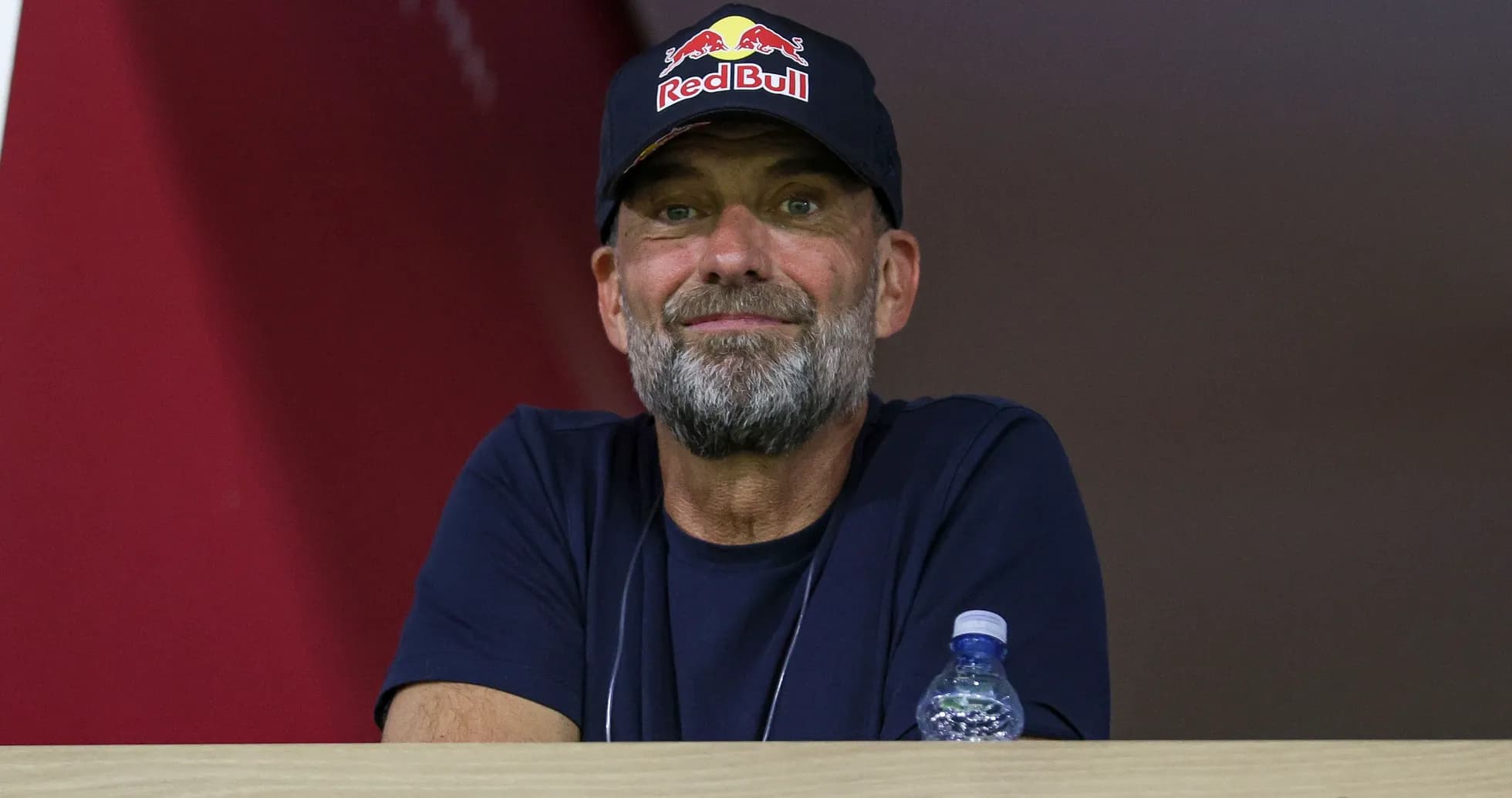
Red Bull Appoints Roger Schmidt as Global Head of Soccer
Red Bull have gone back to a trusted old ally to run their sprawling football operation, appointing former RB Salzburg and Bayer Leverkusen coach Roger Schmidt as Global Head of Soccer.
The 59-year-old has signed a long-term deal and will formally step into the role on October 1, just days after the position opened up. The timing is no coincidence. One week on from Jürgen Klopp’s departure to take charge of the Germany national team, Red Bull have moved quickly to restore a clear figurehead at the top of their multi-club project.
A Familiar Face, a Bigger Job
Schmidt is no stranger to the Red Bull way of thinking. Between 2012 and 2014, he turned RB Salzburg into a high-intensity, attacking machine, helping define the on-field identity that still underpins the group’s clubs.
That success launched him into a tour of major jobs: Bayer Leverkusen in the Bundesliga, Beijing Guoan in China, PSV Eindhoven in the Netherlands, and most recently Benfica in Portugal. His last role, as Global Sports Director for Japan’s J-League, added another layer: not just coaching a team, but shaping a competition’s broader sporting direction.
Now he returns to Red Bull with a mandate that is wider than anything he has held before. He will work alongside Florian Scholz, Head of Global Soccer Commercial, in a dual structure designed to fuse sporting vision with commercial power.
One runs the football. The other makes sure it pays.
Mintzlaff’s Man
Inside the organisation, this is very much Oliver Mintzlaff’s appointment. The Red Bull CEO made no attempt to hide his satisfaction at bringing Schmidt back into the fold.
Mintzlaff hailed Schmidt’s “many years of experience,” his “outstanding football expertise,” and his alignment with the Red Bull philosophy, stressing that he is “the right person to be responsible for the sporting direction of our global football portfolio.” He also pointed to Schmidt’s track record in developing young players and pushing them onto the biggest stages.
That detail matters. Red Bull’s network lives on talent: identifying it early, coaching it aggressively, selling it at the right moment, and replacing it before the cycle breaks. From RB Salzburg to RB Leipzig to New York Red Bulls, the model depends on a conveyor belt that never slows.
Schmidt’s reputation for trusting youth and improving them fits that blueprint almost perfectly.
Schmidt’s Second Act in Red
For Schmidt, this is not just a return, but a step into the command centre of a project he helped shape from the touchline.
“I am really looking forward to this new challenge and am proud to be part of the Red Bull family again in the future,” he said as the appointment was confirmed. He described Red Bull’s international club portfolio as “unique, ambitious and characterised by a clear philosophy,” and framed the core appeal of the role in simple terms: developing young talent while still winning at the highest level.
That balance has always been Red Bull’s promise. Attractive, vertical football. Young, hungry squads. Clear pathways from one club to the next. Schmidt is now the man tasked with making sure that promise holds from Europe to the United States and beyond.
Aligning a Global Machine
The job description is vast. Red Bull’s football portfolio stretches across continents, with RB Leipzig and RB Salzburg as the European flagships and New York Red Bulls anchoring their presence in MLS. Around them sits a broader scouting and development web.
Schmidt’s primary focus will be to align football operations and talent development pathways across that network. That means harmonising playing styles, ensuring coaching philosophies match, smoothing the movement of players between clubs, and keeping the production line of young talent flowing.
His swift appointment restores administrative stability at a moment when Red Bull could not afford uncertainty at the top. With transfer windows, coaching decisions, and long-term planning all interlinked across multiple clubs, even a short vacuum in leadership risks sending mixed signals down the chain.
Now, there is a clear sporting boss again.
Klopp to Germany, Red Bull Reset
All this unfolds against the backdrop of a major shift in German football. Klopp’s move into the Germany job, replacing Julian Nagelsmann after the World Cup, has opened a new era for the DFB and, indirectly, forced Red Bull to reconfigure their own hierarchy sooner than expected.
Both Klopp and Schmidt now step into defining roles for the next international cycle. One will attempt to restore a national team’s edge on the biggest stage. The other will try to keep a global club network ahead of the curve in recruitment, development, and style.
Red Bull have chosen continuity wrapped in experience. Schmidt knows the philosophy, understands the demands, and has seen enough of world football to know where the gaps and opportunities lie.
Now comes the real test: can he turn a powerful structure into a true, unified football machine at a time when the multi-club model faces more scrutiny, more competition, and more pressure than ever?