Robbie Keane's Potential Return to Celtic: A Test of Identity
Robbie Keane’s possible return to Celtic has ignited something far deeper than a routine managerial debate. It has cut straight into the club’s sense of identity.
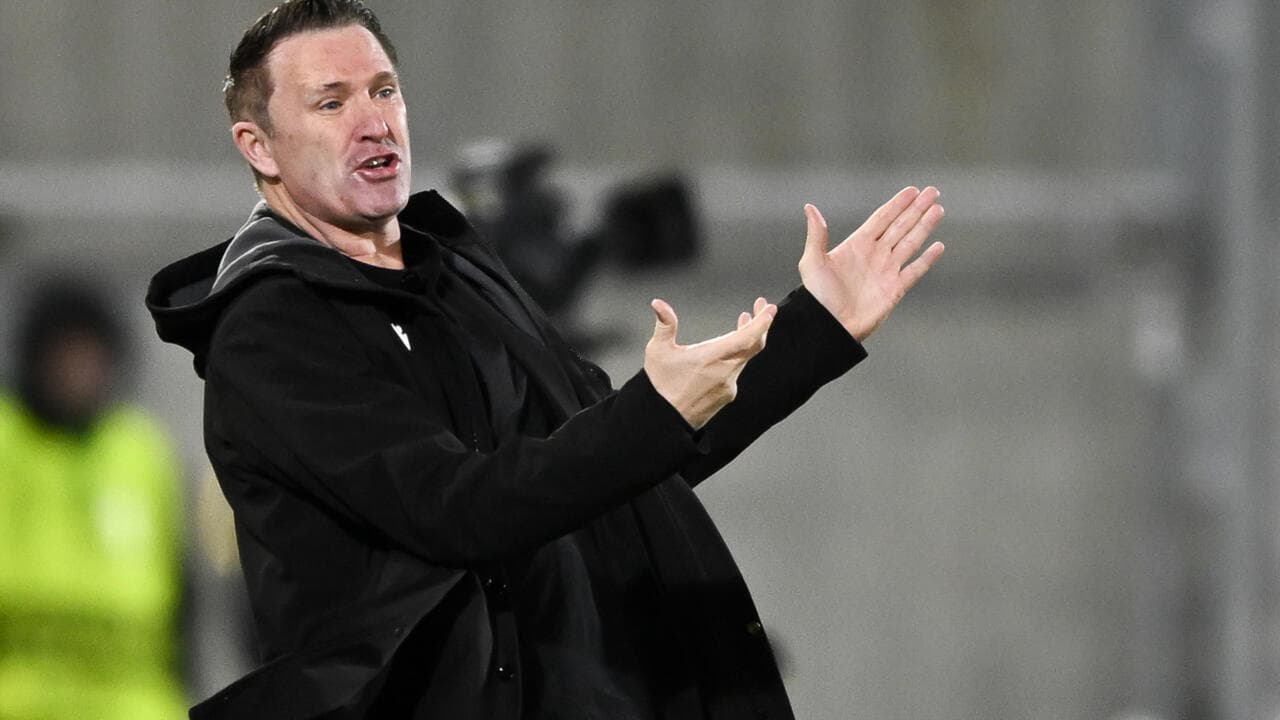
The former Ireland captain, understood to be the leading contender for the job after entering talks with principal shareholder Dermot Desmond, would normally be a popular choice. He is, after all, Ireland’s record goalscorer and a man who lit up Celtic Park during a prolific loan spell in 2010.
This time, it is very different.
A candidate – and a lightning rod
Keane’s coaching journey since hanging up his boots has taken him into a political storm. His decision to remain in Israel as manager of Maccabi Tel Aviv after the conflict in Gaza began has drawn fierce criticism in Ireland and, crucially, among a vocal section of Celtic’s support.
Celtic fans have long made their stance on Palestine visible. Palestinian flags have become a familiar sight at Celtic Park throughout the conflict, banners and displays turning the stadium into a platform of solidarity as much as a football arena.
Now that same culture of activism has turned on the club’s potential next manager.
Graffiti and banners opposing Keane’s appointment have appeared outside Celtic Park in Glasgow, a blunt warning to the board about the strength of feeling. The message is clear: this is not just about tactics, trophies or nostalgia. It is about values.
Organised resistance
A statement from a group calling itself “Celtic Fans for the Liberation of Palestine” has crystallised that opposition. They argue that appointing Keane “would be deeply divisive among the support” and have moved quickly to demonstrate that this is not a fringe view.
The “North Curve Celtic” account on X has published a list of 67 groups said to have endorsed the statement, underlining a broad coalition of fan organisations and collectives aligning against the move.
“Celtic supporters have a long and proud history of solidarity with the Palestinian people,” the statement reads, anchoring the argument in the club’s self-image and its origins.
“For us, Robbie Keane’s decision to manage Maccabi Tel Aviv during the genocide in Gaza is impossible to ignore.
“To choose to manage a club in Israel while, less than 40 miles away, the same country was using indiscriminate weapons of mass murder against defenceless people is unconscionable.
“Celtic was founded by a community shaped by the legacy of genocide, displacement and famine. Our club’s roots lie in solidarity with those who suffered injustice and oppression.
“We urge the Celtic board to listen to supporters’ concerns and reconsider this appointment.”
Those words do not leave much room for compromise. Any move for Keane would now be made against a backdrop of organised and vocal dissent.
Keane’s stance and his record
Keane took charge at Maccabi Tel Aviv in June 2023, months before the Hamas-led attacks of 7 October and the subsequent Israeli bombardment of Gaza. When the war erupted, he chose to stay and see out the season.
On the pitch, he delivered. Maccabi completed a league and cup double under his watch, before Keane resigned in 2024 and moved on to Hungarian club Ferencvaros in 2025. As a coaching credential, it is strong: a domestic double, a successful first major job, and the experience of leading a club under intense pressure.
Off the pitch, that same spell has become the core of the case against him.
Keane has explained that one of the reasons he remained in Israel was a sense of duty to the staff who followed him there.
“I have a duty of care,” he said. “My analyst, for example, was at Middlesbrough for 12 years. For him to come with me to Israel and then for me to just walk away, leaving him and his family.”
For some Celtic supporters, that loyalty to his staff does not outweigh the symbolism of managing in Israel during the conflict. For others, it may be a mitigating factor. The divide is already visible, and the club has not yet made an appointment.
A decision that goes beyond the dugout
All of this lands on a Celtic board that has just watched interim boss Martin O’Neill, 74, guide the team to the Scottish Premiership title on the final day of the season and lift the Scottish Cup. On the field, the champions are in a strong position. Off it, they are walking into a storm of their own support’s making.
Celtic is no stranger to political expression. The club’s founding story, its Irish roots, and its fan base have long intertwined football with wider struggles. That history is now shaping the reaction to Keane.
What might have been framed as the romantic return of a former hero has instead become a test of how far a modern superclub is prepared to go in aligning – or clashing – with the political conscience of its fans.
The board must now decide: is Robbie Keane the right man to lead the team, and if so, at what cost to the unity of Celtic Park?