Rodri's Impact at Barcelona: A Midfield Revolution
Rodri didn’t so much debut for Barcelona as he detonated it.
Thrown in after barely a week at the club, with only a handful of training sessions behind him, the former Manchester City midfielder stepped onto the pitch against Athletic Bilbao and instantly began bending the game to his will. It felt less like an introduction and more like a takeover.
The stands made that clear. When he appeared on the touchline in the 62nd minute, the stadium rose with the kind of roar usually saved for long‑established idols. By the time he took his first touch, the mood had already shifted.
That touch said everything. Rodri launched himself into the air in midfield, cutting out a high ball with authority. No nervous sideways pass, no gentle easing in. A statement. A player arriving at full speed, exactly as the Spanish newspaper Sport had framed it: a man jumping onto a moving train.
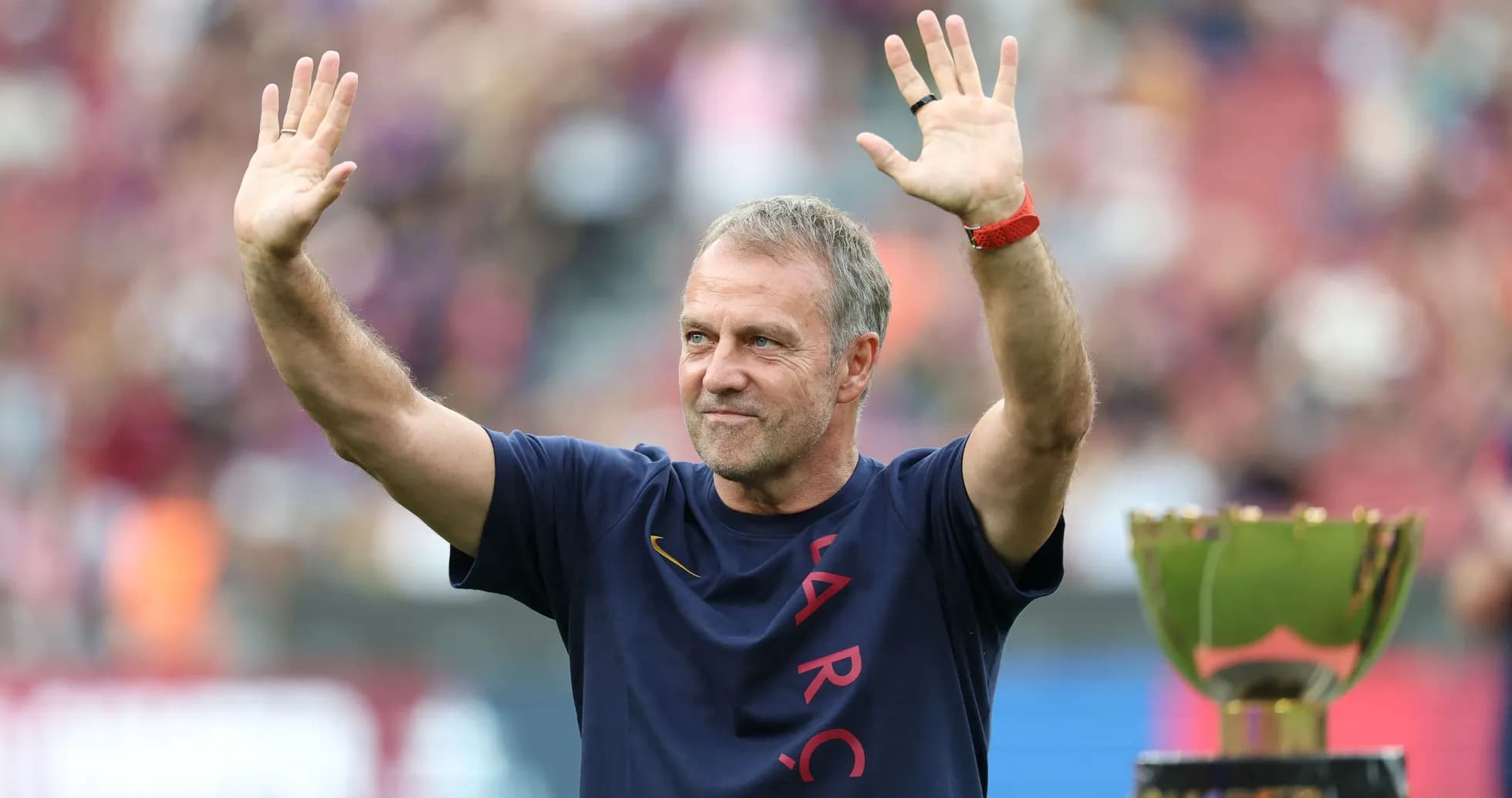
From there, his presence grew with every action. Hansi Flick had called him a “natural leader” before a ball was kicked in anger; the opening minutes of his cameo backed that up. Rodri didn’t just slot into Barcelona’s midfield, he redefined its shape.
Flick’s new axis
Flick built his structure around him. Rodri anchored the side as the single pivot, with Pedri, Fermin Lopez and Dani Olmo operating ahead of him. The usual double pivot disappeared. Barcelona moved into a clear 4-3-3, with one man at the base and the rest revolving around his security.
Rodri became the first receiver, the reference point every time Barcelona tried to break Bilbao’s lines. Centre-backs looked for him. Full-backs trusted him. The team’s build-up had a new spine.
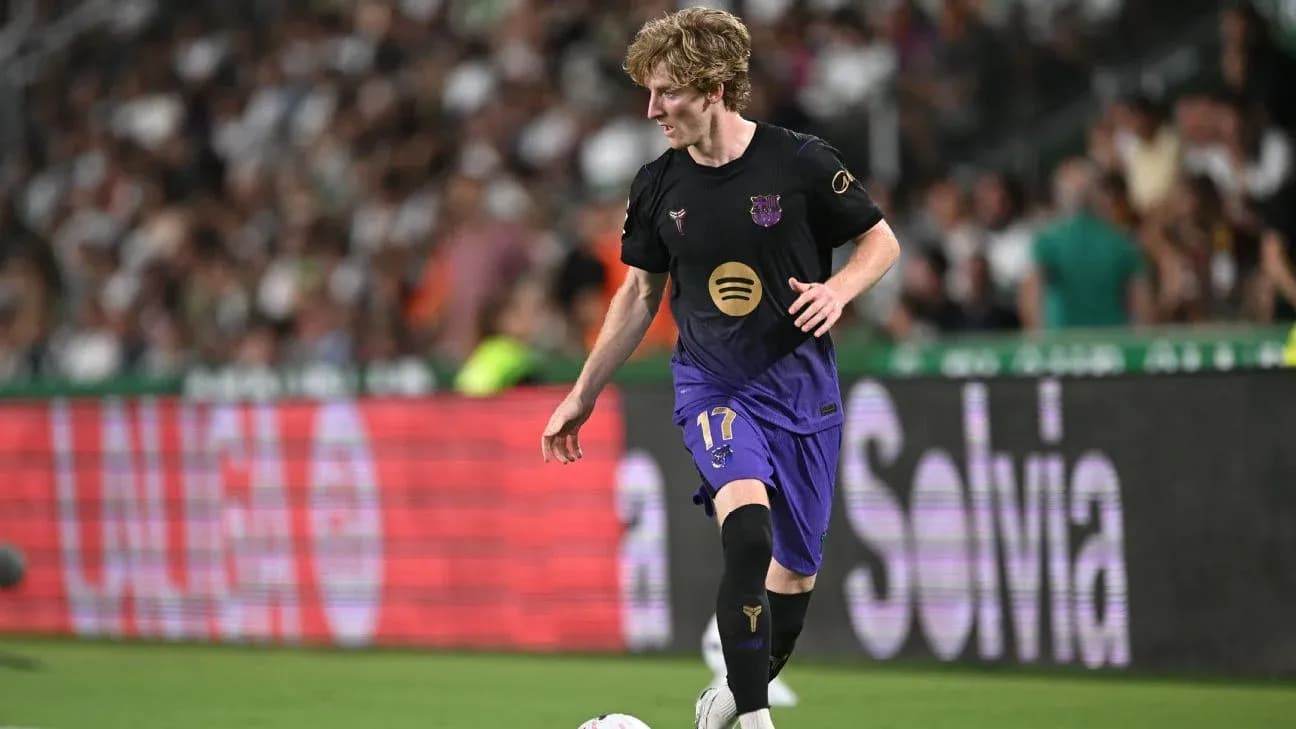
His physical presence stood out immediately. Tall, strong, commanding, he carried the aura of a classic midfield general. That influence spread quickly, particularly to the other midfielders. Pedri, freed from the burden of constantly dropping deep to help in the first phase, pushed higher almost automatically. Fermin Lopez and Olmo alternated their movements, rotating into pockets of space that Rodri’s positioning opened up.
Out wide, Adama and Lamine Yamal stretched the pitch, giving Barcelona width and balance. With Rodri holding the fort centrally, the wingers could stay high and wide, pinning Bilbao back and forcing them to defend the full width of the field.
The plan clicked. The second goal was the clearest expression of it.
A goal born from control
Barcelona worked the ball patiently, circulating it from side to side, waiting for the moment to accelerate. When it reached Adama, the tempo snapped. He drove, then whipped a cross into the box. Under pressure, Aymeric Laporte misjudged it, and the ball fell to Fermin Lopez, who punished the error ruthlessly to score his third goal of the season.
It was a move built on control and finished with aggression. Exactly what Flick wants this Barcelona to be.
They could have had more. Unai Simon stood between Barcelona and a heavier scoreline, delivering the kind of performance that justified his status as one of La Liga’s standout goalkeepers. He was, on the night, Athletic Bilbao’s best player and the main reason Barcelona had to settle for just two.
Even so, the pattern was unmistakable: this is an attacking side that overwhelms opponents, even without a traditional No 9.
Goals without a striker
Two of Barcelona’s opening league matches this season already rank among their top five games for expected goals since Hansi Flick took charge. That’s not a quirk of the numbers; it reflects the sheer volume and quality of chances they are creating.
And they’ve done it without a recognised out‑and‑out striker on the pitch.
Instead, the goals are shared. The idea is collective, not individual. Rodri’s arrival strengthens that philosophy. His ability to stabilise the midfield and keep the ball circulating allows more players to arrive in scoring positions, rather than funnelling everything through a single focal point.
Raphinha, pushed into a more central attacking role at times, has already seized the moment and scored three. Around him, runners from midfield, wide forwards and even full-backs are encouraged to attack the box. The responsibility to finish doesn’t belong to one man anymore.
Rodri’s influence stretches beyond the opposition penalty area, too. His understanding with Pau Cubarsi, built with Spain, translated immediately into club football. Their chemistry helped Barcelona control space, timing and rhythm at the back.
The result? Two games, two clean sheets.
Flick has been clear since his arrival: control must define this Barcelona. Control of the ball. Control of the tempo. Control of transitions. Rodri is built for that demand.
“Everyone is happy that Rodri is playing with us. He is the perfect player for us and for our style,” Flick said after the win. It didn’t sound like polite praise. It sounded like relief.
With Rodri in place, Barcelona can hold the ball for longer spells without needing Pedri permanently glued to the base of the midfield. The young Canary can drift higher, closer to the final third, where his creativity hurts most. Others can rotate and roam, knowing there is a pillar behind them.
One week after his unveiling, with barely an adaptation period, Rodri has already changed the feel of this team. If this is how he looks while still finding his feet, what happens when he’s fully settled and the train is running at his speed?