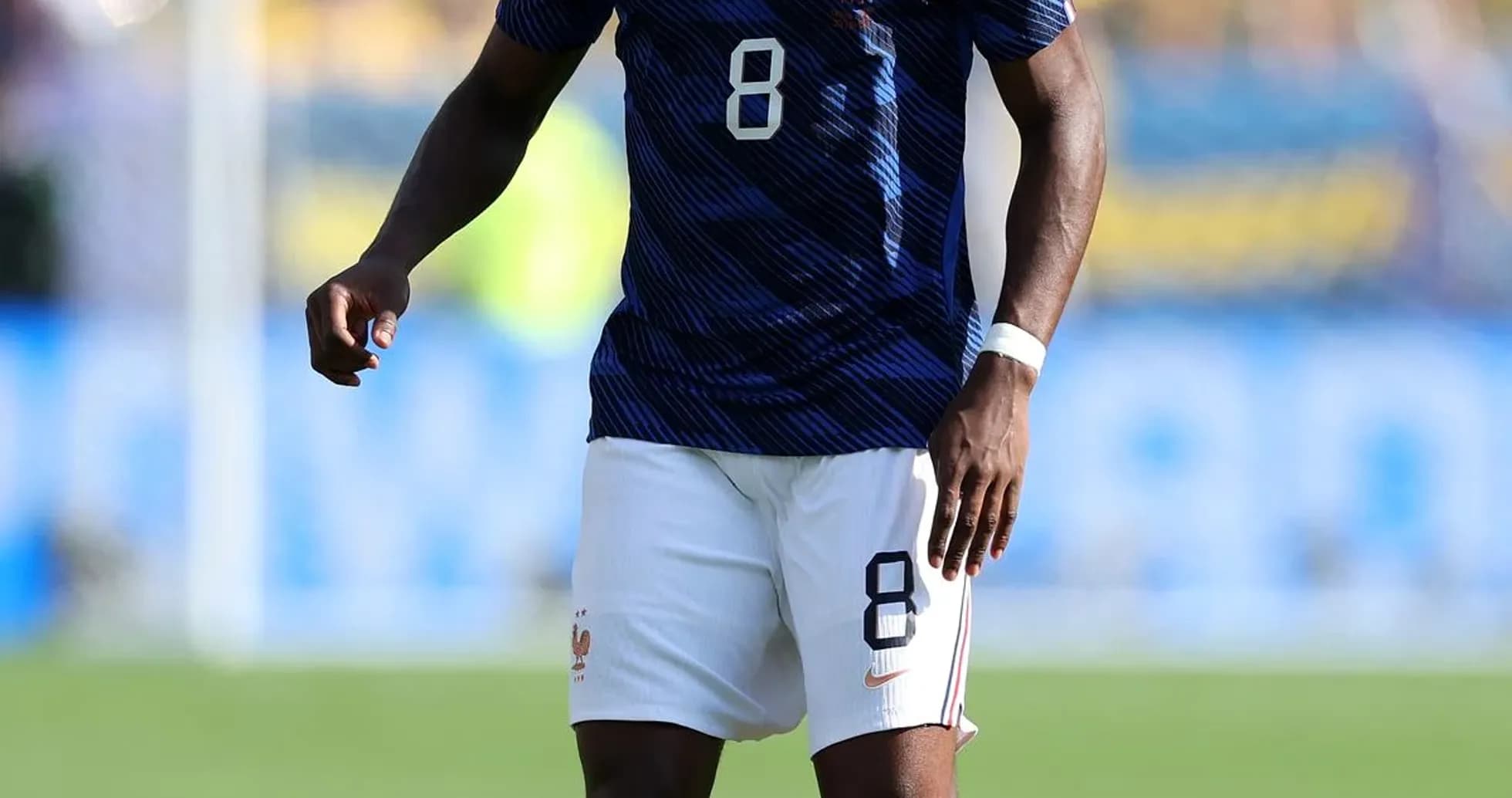
Tchouameni's Injury Woes and France's World Cup Strategy
Aurelien Tchouameni’s groin has become France’s great unknown in a World Cup campaign otherwise built on control and continuity.
The Real Madrid midfielder pulled up in training after the round-of-32 win over Sweden and watched from the sidelines as France ground their way past Paraguay 1-0 in the last 16, Kylian Mbappe’s second-half penalty dragging Les Bleus through a tense night in Philadelphia.
Didier Deschamps responded by turning to Manu Kone. The Roma man slotted into the pivot alongside Adrien Rabiot, and while the football was hardly free-flowing, the axis did enough in the fight and the scrap to justify the coach’s faith.
Now the stakes rise again.
Tchouameni race against time
France face Morocco in a quarter-final in Boston with Tchouameni still in a race against the clock. The vice-captain, on the verge of signing a new contract at the Bernabeu, has been the reference point in the middle of the pitch for Deschamps – the balance between France’s defensive steel and their attacking ambition.
The hope inside the camp has been that he would rejoin full training on the eve of the game. As of Wednesday, the picture remained incomplete.
“I don’t have all the information yet,” Deschamps admitted when pressed on his midfielder’s condition. “Aurelien is better, but I left early this morning. He’s the only one who needs to be seen, but he’s doing better. He might participate in the training session today. All other players are available.”
That “might” hangs over France’s preparations. If Tchouameni is not ready to start, Deschamps is expected to stick with the Kone–Rabiot pairing that survived Paraguay’s aggression and tempo.
Deschamps leans on stability
Beyond that midfield dilemma, France look settled. Deschamps has built this tournament run on a clear core and very few changes.
Mike Maignan will continue in goal. In front of him, Jules Kounde, Dayot Upamecano and William Saliba form a defensive spine that has become non-negotiable. They are not just starters; they are the structural pillars of this France side.
Higher up the pitch, Ousmane Dembele and Michael Olise are locked in either side of Mbappe. Their roles are defined: Dembele stretching and dribbling, Olise drifting into pockets and threading passes, Mbappe carrying the weight of expectation and the burden of decision.
The only real rotation has come on the left flank. At left-back and left wing, Deschamps has experimented, then gradually settled. Lucas Digne now appears to have edged ahead of Theo Hernandez, while Bradley Barcola has forced his way past Desire Doue to claim the starting shirt on the wing. Those two have given France a more controlled, measured left side after early tinkering.
Discipline tightrope for France’s creators
There is, though, another shadow hanging over France’s quarter-final: yellow cards.
The federation’s attempt to overturn Olise’s booking against Paraguay has failed. The caution stands. One more, and he will miss the semi-final if France go through. The same threat looms over Kone and Barcola.
With cards not wiped until after the quarter-finals at this expanded tournament, Deschamps must send three influential players into a knockout tie knowing that one mistimed tackle, one frustrated pull of a shirt, could reshape his plans for the next round.
France remain favourites against Morocco. They have the deeper squad, the sharper stars, the heavier history. But their coach now walks a narrow line: push Tchouameni back too soon and risk losing his midfield anchor; hold him back and trust Kone again, while three of his key creative outlets tiptoe along a disciplinary tightrope.
For a team chasing another World Cup, the margins are getting thinner by the game.