Top 100 Football Academies Worldwide Ranked in Latest Study
A fresh study has unveiled the 100 best football academies across the globe. Every elite player begins their journey somewhere, and the academy they grow up in can shape their entire career.
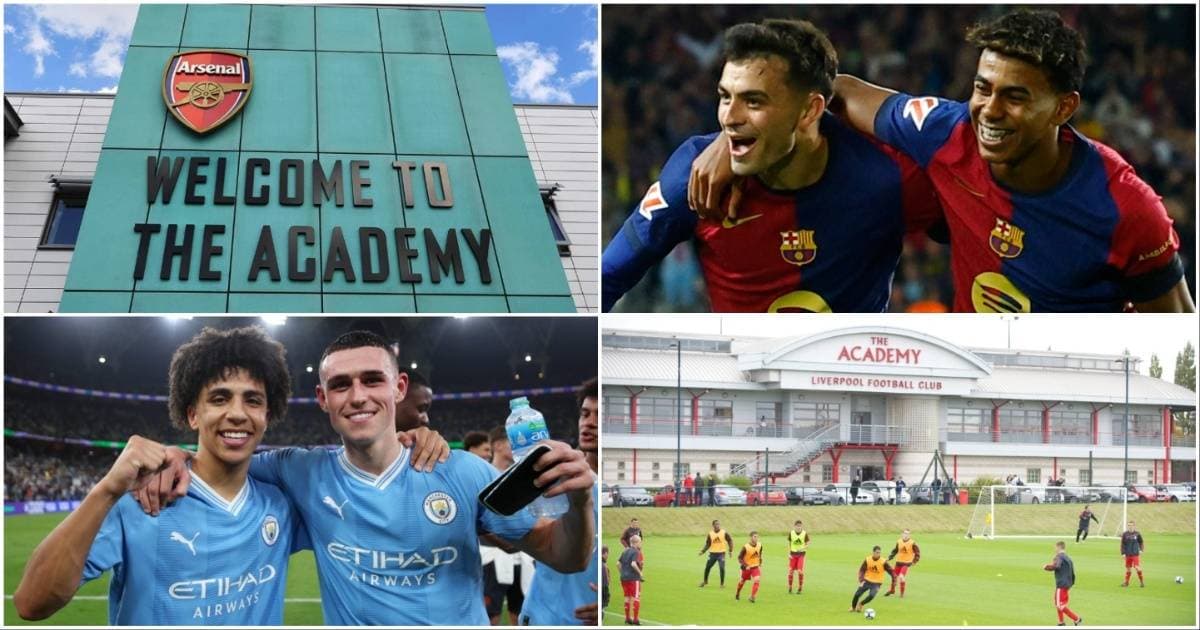
Football demands commitment from the grassroots level, and those early years in academies often set the course for a player's future. While Manchester United’s Carrington Academy, Barcelona’s La Masia, and Ajax’s youth system are well known, many other academies producing top talent often fly under the radar.
The CIES Football Observatory compiled the ranking by analyzing players active in 49 leagues worldwide. The ranking factors in how many players were trained, the level of clubs where these players competed last year, and the minutes they logged on the pitch.
Ranks 100-91
Even some renowned academies appear lower in the rankings. For example, Atalanta, Europa League winners in 2024, sit at 93rd alongside Villarreal, Basel, Braga, and Chile’s Colo-Colo. Atalanta’s academy, named after Mino Favini, produced stars like Alessandro Bastoni and Amad Diallo.
Le Havre ranks last at 100th but boasts a history of nurturing stars such as Paul Pogba and Dimitri Payet, although larger Ligue 1 clubs have recently overshadowed them.
- 100: Le Havre AC (France) - 37 players, Index 32.6
- 99: Caracas FC (Venezuela) - 49 players, Index 32.6
- 98: FC Basel (Switzerland) - 31 players, Index 32.8
- 97: FC Copenhagen (Denmark) - 30 players, Index 32.8
- 96: Lokomotiv Moscow (Russia) - 30 players, Index 32.8
- 95: SC Braga (Portugal) - 30 players, Index 33.1
- 94: Colo Colo (Chile) - 47 players, Index 33.2
- 93: Atalanta (Italy) - 25 players, Index 33.5
- 92: Gimnasia La Plata (Argentina) - 26 players, Index 33.5
- 91: Villarreal (Spain) - 30 players, Index 34.1
Ranks 90-81
Serie A teams Inter Milan and Juventus also rank relatively low, perhaps reflecting a greater reliance on transfers than youth development, though players like Federico Dimarco prove otherwise. Clubs like Uzbekistan’s Pakhtakor and Peru’s Sporting Cristal emphasize that facilities and reputation are not everything; both boast many professionals despite fewer global stars. Atletico Mineiro is the first Brazilian club to make this segment, with standout talent Savinho now at Manchester City.
- 90: Pakhtakor (Uzbekistan) - 57 players, Index 34.1
- 89: Liverpool FC (Uruguay) - 37 players, Index 34.7
- 88: Inter Milan (Italy) - 29 players, Index 35.0
- 87: Juventus (Italy) - 32 players, Index 35.0
- 86: Standard Liege (Belgium) - 34 players, Index 35.5
- 85: LDU Quito (Ecuador) - 40 players, Index 35.8
- 84: Sporting Cristal (Peru) - 56 players, Index 35.9
- 83: CA Union (Argentina) - 36 players, Index 37.0
- 82: Deportivo Saprissa (Costa Rica) - 45 players, Index 37.1
- 81: Atletico Mineiro (Brazil) - 33 players, Index 37.2
Ranks 80-71
Liverpool, England’s most successful club, values youth development, with icons like Steven Gerrard and recent talents like Trent Alexander-Arnold and Curtis Jones. Despite this, Liverpool ranks 75th, the lowest Premier League academy in the top 100. They rank ahead of AS Monaco, home of Kylian Mbappe, but trail behind smaller European clubs such as MSK Zilina and FK Vojvodina.
- 80: Chivas Guadalajara (Mexico) - 37 players, Index 37.5
- 79: RCD Espanyol (Spain) - 33 players, Index 37.5
- 78: AS Monaco (France) - 36 players, Index 37.5
- 77: FC Midtjylland (Denmark) - 37 players, Index 37.9
- 76: Maccabi Tel Aviv (Israel) - 38 players, Index 38.9
- 75: Liverpool (England) - 36 players, Index 39.1
- 74: Deportivo Cali (Colombia) - 54 players, Index 39.7
- 73: MSK Zilina (Slovakia) - 41 players, Index 39.7
- 72: FK Vojvodina (Serbia) - 42 players, Index 39.9
- 71: CA Banfield (Argentina) - 49 players, Index 40.1
Ranks 70-61
Spain’s Basque region continues to produce managers and players alike, with Real Sociedad’s academy nurturing promising talent like Martin Zubimendi. Atletico Madrid also features here, holding onto homegrown stars such as Koke and Giuliano Simeone while producing Champions League regulars like Rodri.
- 70: CA Belgrano (Argentina) - 41 players, Index 40.9
- 69: Montevideo Wanderers (Uruguay) - 43 players, Index 41.0
- 68: FC Nordsjaelland (Denmark) - 39 players, Index 41.1
- 67: Independiente Medellin (Colombia) - 43 players, Index 41.9
- 66: Valencia (Spain) - 38 players, Index 42.0
- 65: Atletico Madrid (Spain) - 33 players, Index 42.2
- 64: Slavia Praha (Czechia) - 39 players, Index 42.3
- 63: Athletic Club (Spain) - 28 players, Index 42.5
- 62: Sparta Praha (Czechia) - 41 players, Index 42.8
- 61: Real Sociedad (Spain) - 27 players, Index 43.3
Ranks 60-51
Manchester United’s Carrington academy once fueled Sir Alex Ferguson’s dominance, producing stars like Marcus Rashford and Scott McTominay. Currently, they rank 56th, with Bayern Munich just above at 54th, boasting talents like Jamal Musiala and Karim Adeyemi. Feyenoord’s academy in the Netherlands focuses on balanced development, producing 47 current professionals.
- 60: Club Guarani (Paraguay) - 46 players, Index 43.5
- 59: FC Porto (Portugal) - 38 players, Index 44.0
- 58: Athletico Paranaense (Brazil) - 35 players, Index 44.5
- 57: Olimpia Asuncion (Paraguay) - 55 players, Index 44.5
- 56: Manchester United (England) - 40 players, Index 45.2
- 55: CA Independiente (Argentina) - 43 players, Index 45.2
- 54: Bayern Munich (Germany) - 40 players, Index 45.9
- 53: Club Brugge (Belgium) - 35 players, Index 47.2
- 52: CF Pachuca (Mexico) - 46 players, Index 47.4
- 51: Feyenoord (Netherlands) - 47 players, Index 47.9
Ranks 50-41
Chelsea’s academy at Cobham produces talent yearly, yet the club’s preference for buying players overshadows it. Arsenal shows more faith in homegrown players like Bukayo Saka but paid dearly to bring back Eberechi Eze after releasing him prematurely.
- 50: Chelsea (England) - 34 players, Index 48.3
- 49: Envigado FC (Colombia) - 64 players, Index 48.3
- 48: Arsenal (England) - 42 players, Index 48.7
- 47: Racing Club (Argentina) - 49 players, Index 50.1
- 46: Hajduk Split (Croatia) - 40 players, Index 50.5
- 45: Argentinos Juniors (Argentina) - 48 players, Index 50.8
- 44: Stade Rennais (France) - 43 players, Index 50.9
- 43: AZ Alkmaar (Netherlands) - 43 players, Index 52.8
- 42: Shakhtar Donetsk (Ukraine) - 60 players, Index 53.1
- 41: Club Estudiantes (Argentina) - 51 players, Index 53.5
Ranks 40-31
Brazilian clubs dominate here. Fluminense developed Joao Pedro and Evanilson; SC Internacional laid the groundwork for Alisson's success; Cruzeiro and Gremio have dozens of players active worldwide. Santos remains famous for Neymar, whose record-breaking transfer still stands.
- 40: Penarol (Uruguay) - 60 players, Index 53.5
- 39: RB Salzburg (Austria) - 50 players, Index 54.3
- 38: Fluminense (Brazil) - 51 players, Index 55.2
- 37: SC Internacional (Brazil) - 44 players, Index 55.4
- 36: Club Libertad (Paraguay) - 51 players, Index 55.5
- 35: Cruzeiro (Brazil) - 50 players, Index 56.0
- 34: Lyon (France) - 48 players, Index 56.1
- 33: Gremio (Brazil) - 55 players, Index 56.4
- 32: Independiente del Valle (Ecuador) - 54 players, Index 56.8
- 31: Santos (Brazil) - 53 players, Index 57.6
Ranks 30-21
Manchester City’s academy has been key to their success, producing Cole Palmer, Phil Foden, and Morgan Rogers. Dutch side PSV Eindhoven has nurtured Cody Gakpo and Memphis Depay. Newell’s Old Boys in Argentina remain active but no longer produce the elite talents like Lionel Messi.
- 30: PSV (Netherlands) - 48 players, Index 57.8
- 29: Danubio FC (Uruguay) - 66 players, Index 58.7
- 28: Cerro Porteno (Paraguay) - 57 players, Index 58.9
- 27: KRC Genk (Belgium) - 45 players, Index 59.7
- 26: Newell's Old Boys (Argentina) - 69 players, Index 60.6
- 25: RSC Anderlecht (Belgium) - 52 players, Index 60.9
- 24: Rosario Central (Argentina) - 60 players, Index 61.7
- 23: CA Lanus (Argentina) - 65 players, Index 61.7
- 22: Atletico Nacional (Colombia) - 62 players, Index 63.2
- 21: Manchester City (England) - 50 players, Index 63.2
Ranks 20-11
Paris Saint-Germain shifted focus to youth under Luis Enrique, with Warren Zaire-Emery becoming a key player in their Champions League triumphs. Palmeiras ranks 18th among Brazilian clubs, producing Estevao and Endrick. Flamengo and Corinthians are also notable, but Sao Paulo leads in Brazil with 65 graduates including Antony.
- 20: FK Partisan (Serbia) - 70 players, Index 63.9
- 19: Paris Saint-Germain (France) - 62 players, Index 65.0
- 18: Palmeiras (Brazil) - 56 players, Index 65.1
- 17: Club Nacional (Uruguay) - 70 players, Index 65.4
- 16: CA San Lorenzo (Argentina) - 66 players, Index 66.8
- 15: Flamengo (Brazil) - 51 players, Index 67.4
- 14: Sc Corinthians (Brazil) - 57 players, Index 68.8
- 13: Dynamo Kyiv (Ukraine) - 63 players, Index 70.3
- 12: Sao Paulo (Brazil) - 65 players, Index 71.3
- 11: Red Star Belgrade (Serbia) - 79 players, Index 73.3
Ranks 10-1
Red Star Belgrade produces many players but Real Madrid's graduates include top talents like Achraf Hakimi. River Plate, surprisingly, tops Argentina’s list with 97 players globally, ranking above Ajax. Barcelona’s La Masia is second, while Benfica holds the top spot for the second year running. Benfica's academy boasts stars like Ruben Dias, Bernardo Silva, and Joao Cancelo.
- 10: Velez Sarsfield (Argentina) - 70 players, Index 73.8
- 9: Real Madrid (Spain) - 58 players, Index 74.8
- 8: Defensor SC (Uruguay) - 88 players, Index 77.0
- 7: Dinamo Zagreb (Croatia) - 77 players, Index 77.9
- 6: Sporting CP (Portugal) - 76 players, Index 83.4
- 5: Boca Juniors (Argentina) - 86 players, Index 95.0
- 4: Ajax (Netherlands) - 80 players, Index 97.6
- 3: River Plate (Argentina) - 97 players, Index 98.3
- 2: Barcelona (Spain) - 76 players, Index 98.7
- 1: Benfica (Portugal) - 93 players, Index 105.1