Tottenham Faces Injury Crisis Ahead of Chelsea Match
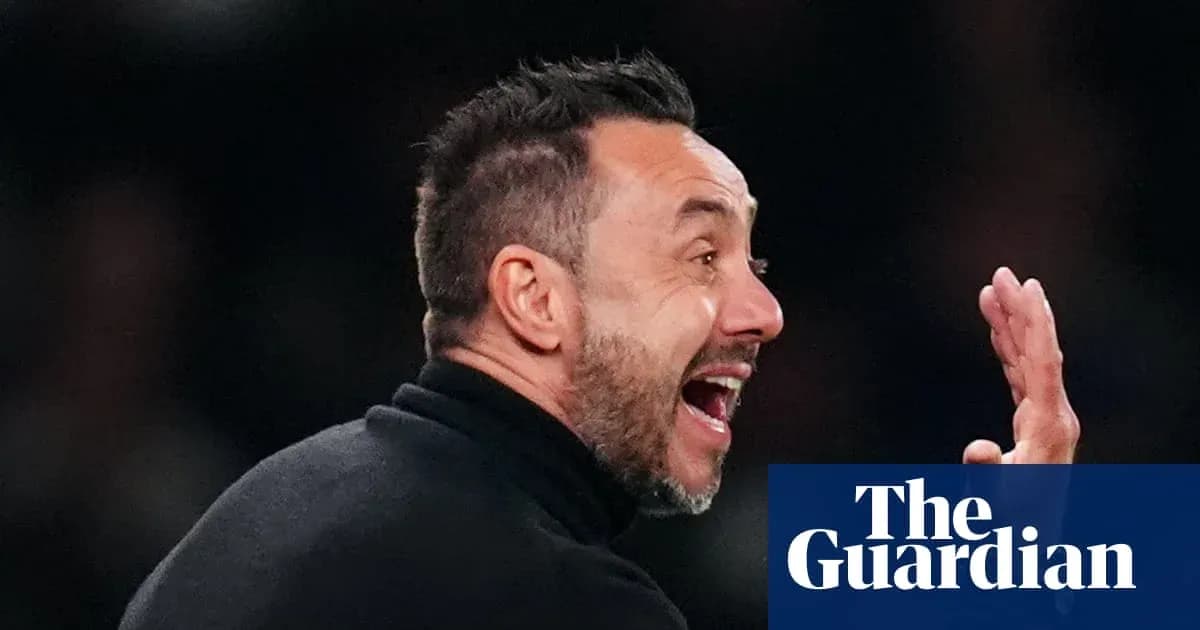
Roberto De Zerbi will walk into Stamford Bridge on Saturday with a patched‑up squad, a grim record and, he insists, no doubts about the people trying to hold his season together.
Tottenham have won there only once in 42 attempts in all competitions. They could be missing as many as nine players. Yet the head coach was adamant: blame anyone you like for their selection crisis, but not the medical department.
De Zerbi’s injury list grows
There was at least one welcome sight at training. Pedro Porro is back. The Spain international has recovered sufficiently to return to the squad, easing one headache in a back line that has been shuffled almost weekly.
Andy Robertson, Omar Marmoush and Dominic Solanke were all described as “good” after recent fitness concerns, offering De Zerbi some much‑needed stability in key areas. That was the end of the good news.
Destiny Udogie remains sidelined. Tosin Adarabioyo is a doubt. James Maddison did not train for three days after the win over Coventry on Monday and is racing the clock. Dejan Kulusevski, who only just tasted his first minutes since May 2025 in that same game, will be handled with extreme care.
Factor in the longer‑term absentees – Lucas Bergvall, Savio and others – plus Rodrigo Bentancur’s suspension, and De Zerbi could find himself without nine first‑team options for a fixture that rarely forgives weakness.
‘Big confidence’ in Spurs’ medical team
The numbers invite scrutiny. Spurs changed their performance structure last season, bringing in Dan Lewindon as performance director and adding several specialists in July. With bodies dropping, the obvious question follows: is the new setup working?
De Zerbi did not hesitate.
“I am convinced our medical staff this season is high level. I have big confidence because I know how they are working and they are good enough to believe in. We are suffering a normal situation in football.”
He stressed that the club will produce a “total report” on injuries at the end of the campaign, not in the middle of it, and then went case by case to underline his point.
On Porro, he painted a picture of a player who simply refused to stop.
“Pedro won the World Cup with Spain. Maybe with the head or body he didn’t recover enough to start this season without a pre-season. He already suffered in the World Cup the muscular problem of the hamstring. He felt it in training and played anyway against Aston Villa because he pushed to come back before the right time and he suffered another injury. What is the responsibility of the medical staff?”
Bergvall’s situation, he argued, was similar in its inevitability. The young midfielder turned his knee and felt pain in the first minute against Manchester United on 10 October, completed the match and only then felt the full extent of the damage the following day.
“What is the responsibility of the medical staff? Nothing,” De Zerbi said.
Robertson’s workload told its own story. Four games in a row for Scotland during the international window, a small problem afterwards, no appearance in Manchester, then 65 minutes against Coventry and fatigue.
“It’s normal fatigue for a player who played so much,” De Zerbi said, framing each setback as the kind of wear and tear that comes with elite football, not as a systemic failure.
Stamford Bridge ghosts? ‘Not our problem’
Spurs’ record at Stamford Bridge hangs over this fixture like a cloud. Only one win there in decades, a run of trips that have brought frustration, controversy and the occasional implosion.
De Zerbi refused to carry that history on his shoulders.
“What is the problem? We didn’t play in the past for Tottenham and I was not the Tottenham coach in the last seasons. We have already many problems and this is not a problem.”
For him, the ghosts belong to other eras, other managers, other squads. His reality is more immediate: how to assemble a coherent XI from a squad creaking under the strain of a long season, and how to keep belief high when key players drop out one after another.
He will go to Chelsea with a makeshift group, a hostile stadium and a narrative that says Tottenham usually crumble here. He will also go with a clear line in the sand: this injury crisis is part of the game, not an indictment of the staff behind the scenes.
If Spurs can finally crack Stamford Bridge in those circumstances, it will say as much about the resilience of this new regime as it does about any old record books.