Tottenham's Journey: From Promise to Crisis and Back
It has taken Tottenham 1,108 days to get back to this brink.
Four Premier League wins in a row. A simple target on paper, but one Spurs have not hit since the first rush of Ange Postecoglou’s tenure, when the football felt new, the mood felt light and the table briefly told a wild story. Now, with Leeds awaiting at Elland Road this weekend, they stand one victory from finally matching that burst of momentum.
Back then, in those opening months of 2023, Spurs tore into the league. Eight wins from their first 10 games, five points clear at the top, and all of it in the immediate aftershock of Harry Kane’s departure to Bayern Munich. The Australian’s front-foot football survived the loss of the club’s greatest goalscorer and carried them through a north London derby draw and beyond. It felt like a reset, a reboot, a new identity.
They still finished only fifth.
What has happened since that last four-game winning streak is not just a story about a football club losing its way and trying to find it again. It is a snapshot of a sport and a world that have shifted around Tottenham while they stumbled.
A changing world beyond N17
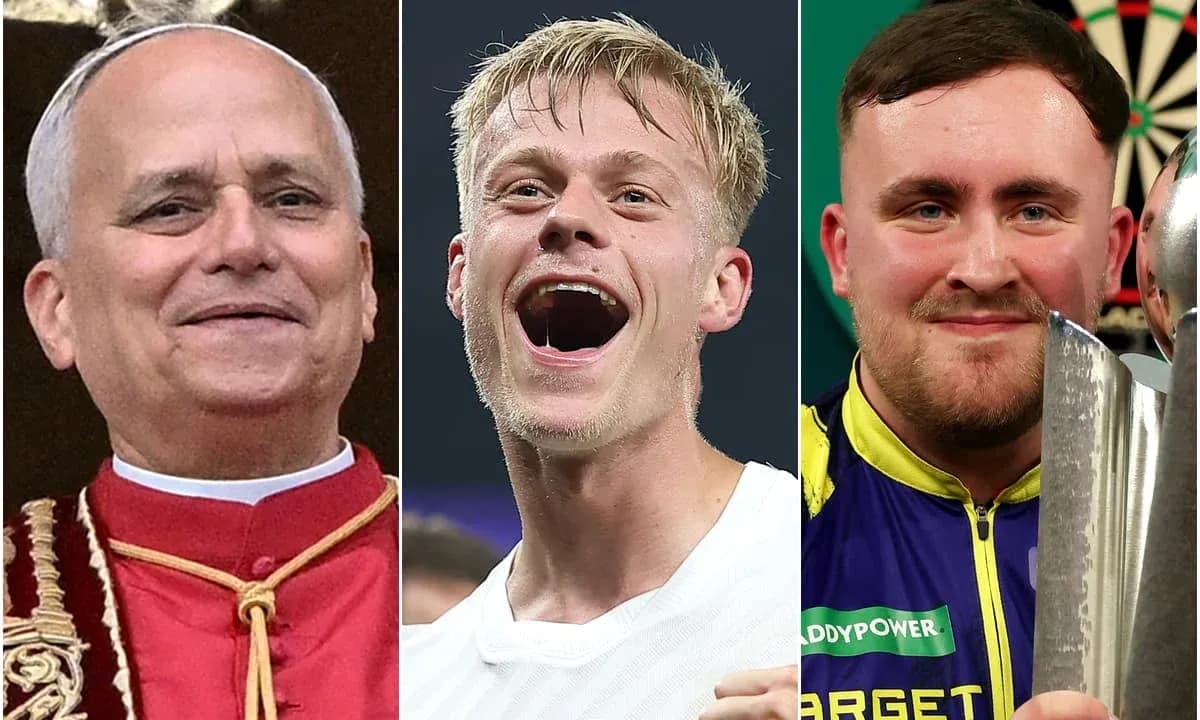
In Rome, white smoke rose. Cardinal Robert Francis Prevost became Pope Leo XIV in May 2025, the 267th Pope of the Catholic Church. A Real Madrid admirer by reputation, he found English football on his doorstep when Sunderland sent him a shirt emblazoned with “Pope Leo, 14” before their Europa League campaign, echoing the gesture that once preceded their derby win over Newcastle in 2013.
Across the Atlantic, Donald Trump walked back into the White House. Defeated in 2020 by Joe Biden, he returned in November 2024 by beating Democratic candidate and former vice-president Kamala Harris, reclaiming the presidency he first won in 2016.
At home, the political landscape churned. The Labour Party swept back into power after 14 years as Sir Keir Starmer became Prime Minister in July 2024. Even that, in the current climate, proved fleeting. Starmer resigned two years later and Andy Burnham stepped up, making it five Prime Ministers in as many years.
All the while, Tottenham lurched from promise to crisis.
Levy walks away, chaos walks in
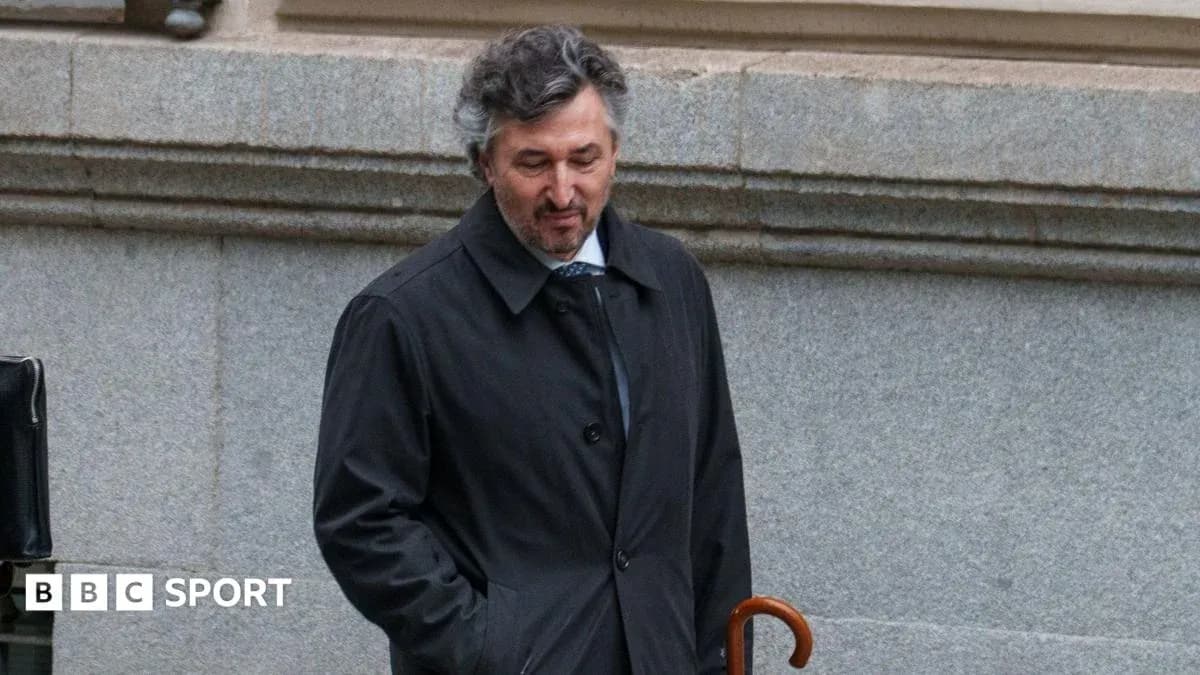
Daniel Levy’s departure in September 2025 ended a 25-year reign that had shaped the modern Tottenham, for better and for worse. When the long-serving executive chairman finally stepped aside, non-executive chairman Peter Charrington heralded “a new era of leadership for the club”.
The timing could hardly have been more jarring.
What followed was the worst Premier League season in the club’s history. Spurs slid down the table, the grand stadium and training ground suddenly feeling like a gilded frame around a fading picture. On the final day, they stood on the edge of relegation, staring into the Championship.
They survived, but only just.
A nervy 1-0 win over Everton kept them up, the tension inside the stadium a world away from the swagger of Postecoglou’s early months. Twelve months earlier, they had lifted the Europa League, their first major trophy in 17 years. A year on, they were fighting West Ham to avoid following them into the second tier.
The contrast was stark. From Bilbao glory against Manchester United to clinging on against Everton, Tottenham compressed a decade’s worth of drama into two seasons.
Trophy joy, then the trapdoor
That Europa League triumph should have been a launchpad. It became a fault line.
Sixteen days after guiding Spurs to victory in Bilbao, Postecoglou was sacked. The decision was always going to split opinion. It became the spark for something far worse.
The club lurched through three managers in 10 months. Thomas Frank came in as the chosen successor, tasked with evolving the style without losing the edge. By February 2026, with Spurs hovering over the relegation zone, he was gone.
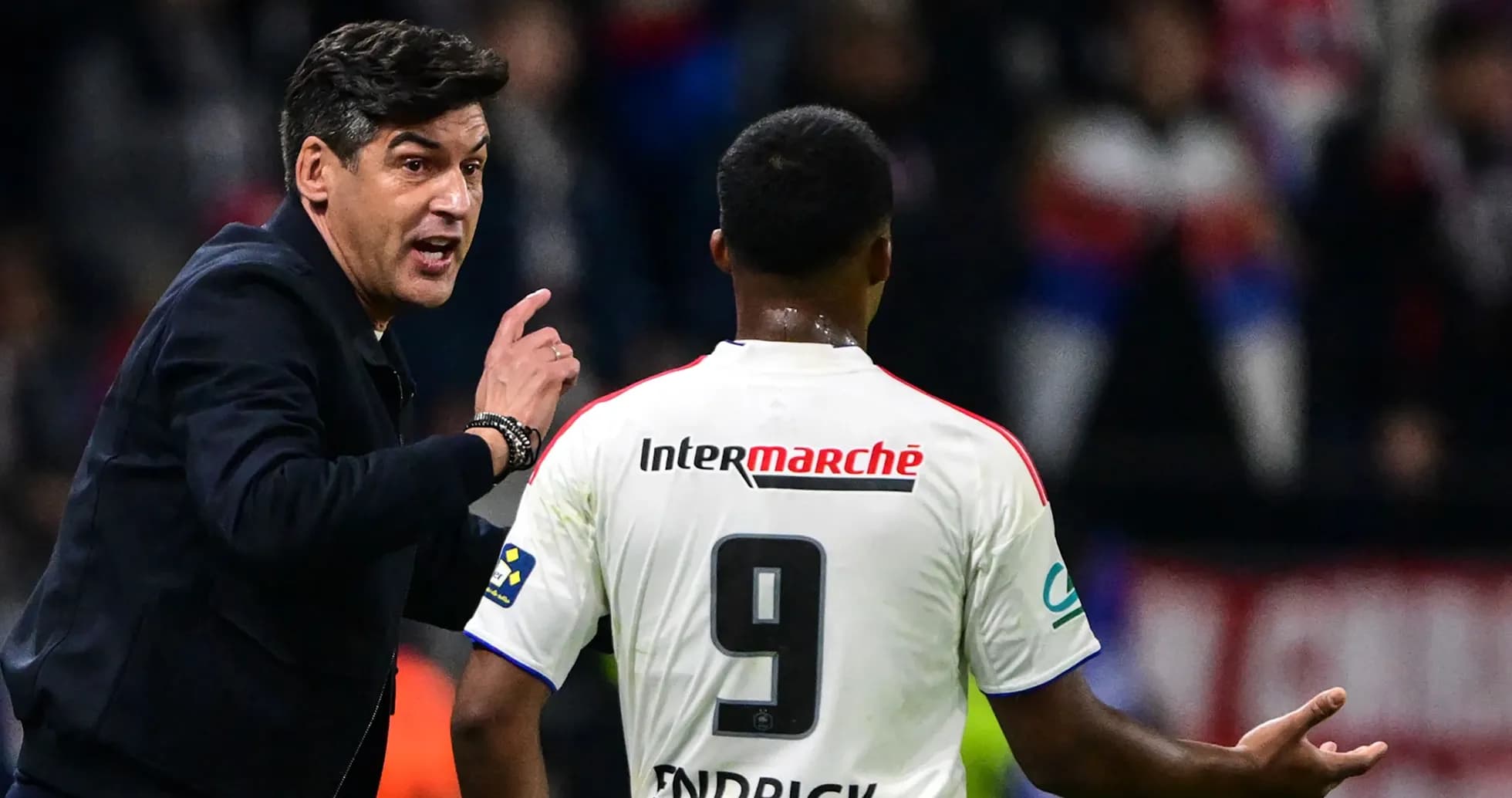
Igor Tudor replaced him and lasted just 44 days. Results nosedived, performances unravelled, and the panic button was hit again. Roberto De Zerbi arrived as the fire-fighter, charged simply with keeping Tottenham in the Premier League. He did it, but the price was a season written off to survival.
They stayed up “by the skin of their teeth”, thanks to a crucial goal from loanee Joao Palhinha in that final-day win over Everton. This, remember, was a club that had paraded a European trophy only a year earlier.
West Ham’s fall, new stars rise
Across London, West Ham provided a cautionary tale Spurs could not ignore. Conference League winners one year, relegated to the Championship within three. Poor recruitment, a revolving door of managers and ownership doubts dragged the Hammers back to the second tier after 14 straight seasons in the top flight. European nights under the lights gave way to Tuesday trips in the Championship.
Elsewhere, new stars rewrote the script of other sports.
At Alexandra Palace, Luke Littler turned darts on its head. At 16, he surged to the World Championship final on debut in January 2024, then cemented himself as the sport’s dominant force. Back-to-back world titles followed, and by his late teens he stood as the best player on the planet, a household name in British sport.
On the tarmac, Kimi Antonelli did something similar in Formula One. On a record-breaking 2026 campaign, the Italian became the youngest world champion in history at 20 years and 68 days, sealing the title with third place at the Mexico City Grand Prix. He ticked off milestones at speed: youngest Monaco Grand Prix winner, youngest driver to record a Grand Slam, first Italian world champion in more than six decades.
Tennis said goodbye to two giants. Sir Andy Murray, twice a Wimbledon winner and the man who ended Britain’s long wait for a men’s singles champion, retired in August 2024. Rafael Nadal, owner of 22 Grand Slam titles and the king of Roland Garros, followed in October. With Roger Federer already gone since 2022, Novak Djokovic was left as the last man standing from the ‘Big Four’ era.
In boxing, Tyson Fury continued his familiar dance with retirement. His fourth announcement that he was done convinced almost no one. By April 2026, he was back again, beating Arslanbek Makhmudov on points before seeing off Mariusz Wach in Thailand. Now he is gearing up for a blockbuster showdown with Anthony Joshua in Cardiff in December, one more heavyweight chapter promised.
Back to Spurs, back to the brink
Through political upheaval, papal change, new champions and old legends bowing out, Tottenham’s own journey has been a wild swing from optimism to near disaster.
From Postecoglou’s early charge and the Kane aftershock, to Levy’s exit, to the Europa League high and the relegation scrap, Spurs have lived every shade of the Premier League’s unforgiving cycle in just three years.
Now they stand again on the verge of four straight league wins, something that once felt routine in that first flush under Postecoglou and has since become a marker of stability they have struggled to reach.
Elland Road awaits. The streak is a statistic, nothing more. But for a club that has seen eras end, leaders change and seasons teeter on the edge, it carries a sharper question: is this just another fleeting run, or the first sign that Tottenham are finally ready to stop surviving and start building again?