Tottenham vs Brighton: Premier League Survival Clash
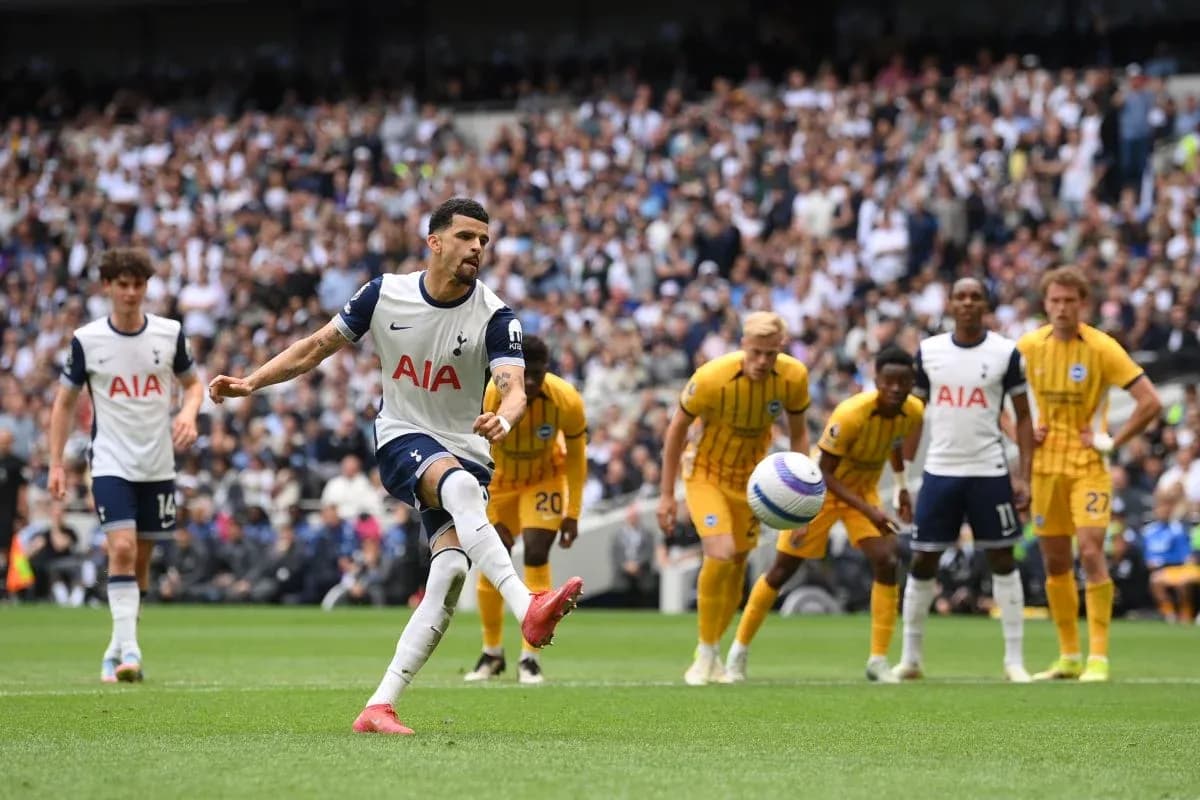
Tottenham’s fight for survival meets Brighton’s push for Europe at Tottenham Hotspur Stadium in London, where a high‑stakes Premier League clash awaits on 18 April 2026. With the hosts starting the weekend 18th on 30 points and Brighton sitting 9th on 46, the narrative is stark: Tottenham are trying to escape the relegation zone, Brighton are trying to stay in the European conversation.
Context: Pressure at the bottom, opportunity in mid‑table
In the league, Tottenham’s season has unravelled. Across all phases they have taken just 30 points from 32 games, with a goal difference of -11 (40 scored, 51 conceded). The table tells its own story: only seven wins, 16 defeats, and a home record that has turned from fortress to liability.
At Tottenham Hotspur Stadium, they have played 16 league games, winning just 2, drawing 4 and losing 10. They have scored 18 and conceded 28 at home; that is 1.1 goals for and 1.8 against per game. The recent form line “LLDLL” in the standings underscores a side sliding towards the Championship unless something changes quickly.
Brighton arrive in far better shape. In the league they are 9th, with 46 points and a +6 goal difference (43 for, 37 against). Their form reads “WWWLW” – four wins in their last five – suggesting a team finishing the season strongly. Away from home they have been competitive: 5 wins, 4 draws and 7 defeats from 16, with 19 scored and 20 conceded. That away defensive record (1.3 goals against per game) is significantly tighter than Tottenham’s home defence.
Tactical outlook: wounded Tottenham, settled Brighton
The tactical backdrop is shaped heavily by availability. Tottenham’s absentees are severe and concentrated in key zones.
For the hosts, Ben Davies (ankle), Mohammed Kudus (muscle), Dejan Kulusevski (knee), James Maddison (knee), Wilson Odobert (knee) and Cristian Romero (knee) are all ruled out. Rodrigo Bentancur (muscle) and goalkeeper Guglielmo Vicario (groin) are listed as questionable.
Those names cut through the spine and creativity of the side. Maddison and Kulusevski are primary chance creators between the lines, Romero is the aggressive leader at the back, and Kudus and Odobert offer ball‑carrying threat. Without them, Tottenham’s coach is almost forced into a more functional, less inventive approach.
Across all phases this season, Tottenham have leaned most often on a 4‑2‑3‑1 (14 games), with spells of 4‑3‑3 (8 games) and occasional switches to back‑three systems such as 3‑4‑2‑1 and 3‑5‑2. Given the injuries, a 4‑2‑3‑1 or 4‑3‑3 built around Richarlison as the focal point seems likeliest.
Richarlison has been one of the few bright spots: 9 league goals and 3 assists in 27 appearances, with 36 shots (22 on target) and 16 key passes. He is combative (252 duels, 110 won) and draws fouls (29), and Tottenham will need him not just as a finisher but as a reference point to relieve pressure and win territory. With Maddison absent, second‑line runners and wide players will have to attack space more directly rather than waiting for threaded passes.
Tottenham’s season data suggests they are not toothless – 1.3 goals scored per game across all phases – but they are structurally fragile. They have kept only 7 clean sheets in 32 matches and conceded 51 times (1.6 per game). At home, those 28 goals conceded in 16 games are particularly damaging, and their biggest home defeat (1-4) highlights how easily games can run away from them once they fall behind.
Brighton, by contrast, arrive with a settled identity. Their statistics show a preference for a 4‑2‑3‑1 (27 matches), with occasional use of 4‑3‑3 and 3‑4‑2‑1. They balance possession football with vertical runs, and their numbers are steady rather than spectacular: 1.3 goals scored and 1.2 conceded per game across all phases.
The key attacking figure is Danny Welbeck. At 35, he remains Brighton’s leading scorer in the league with 12 goals in 31 appearances. He has 39 shots (23 on target) and 19 key passes, indicating he is as much a link man as a finisher. His penalty record this season is mixed – 1 scored and 2 missed – so while Brighton as a team are perfect from the spot in the league (3 penalties taken, 3 scored, 0 missed), Welbeck individually cannot be described as flawless from 12 yards.
Brighton’s defensive planning is complicated by the suspension of captain Lewis Dunk (yellow cards) and injuries to Adam Webster (knee) and S. Tzimas (knee). Dunk’s absence removes their organiser and aerial anchor, which could encourage Tottenham to play more directly into Richarlison and attack set pieces. Without Dunk and Webster, Brighton may need to alter their build‑up slightly, perhaps going a touch longer under pressure rather than insisting on playing out from the back at all costs.
Still, Brighton’s defensive record – 8 clean sheets, only 37 conceded in 32 – suggests they are structurally sound, especially with their midfield screen intact. Their card profile, with a heavy cluster of yellow cards between 46–60 minutes, hints at an aggressive press early in second halves that Tottenham’s midfield will have to play through.
Head‑to‑head: Brighton edge recent duels
The last five competitive meetings in the Premier League between these sides, all since late 2023, have been anything but dull:
- In September 2025 at the Amex Stadium, Brighton led 2-1 at half‑time but Tottenham fought back for a 2-2 draw.
- In May 2025 in London, Brighton stunned Tottenham 1-4 at Tottenham Hotspur Stadium.
- In October 2024 at the American Express Stadium, Brighton came from 0-2 down at half‑time to win 3-2.
- In February 2024 in London, Tottenham edged a tight contest 2-1 after trailing 0-1 at the break.
- In December 2023 at the American Express Stadium, Brighton won 4-2.
Across these last five competitive meetings: Brighton have 3 wins, Tottenham have 1, and there has been 1 draw. Brighton have also won on their last two league visits to Tottenham Hotspur Stadium, scoring 4 goals on each occasion (4-2 in December 2023 away, 4-1 in May 2025 away), a psychological edge that cannot be ignored.
Key battles and game rhythm
Without Maddison and Kulusevski, Tottenham’s ability to progress the ball through central pockets is diminished. They may have to lean more on full‑backs for width and on vertical passes into Richarlison’s feet or into the channels. The double pivot in a 4‑2‑3‑1 will be crucial: they must shield a defence already weakened by Romero’s absence and avoid cheap turnovers that feed Brighton’s transition.
Brighton’s 4‑2‑3‑1 allows them to overload half‑spaces and pull opposing full‑backs narrow, opening room for wingers to attack Tottenham’s vulnerable flanks. Welbeck’s movement between the lines can drag centre‑backs out, especially if Tottenham field a less experienced pairing due to injuries.
Set pieces could be a leveller. Brighton lose Dunk’s aerial presence in both boxes, which may encourage Tottenham to be more aggressive on corners and free‑kicks. Conversely, Tottenham’s defensive organisation on dead balls, already a concern given their goals‑against numbers, will be tested by Brighton’s routines even without their captain.
Discipline may also shape the rhythm. Tottenham’s card profile shows a spike in yellow cards between 61–75 minutes, while Brighton’s is heaviest between 46–60 and 76–90. As fatigue and tension rise, the second half could become fragmented, suiting the side that manages transitions better.
The verdict
On form and league position, Brighton are clear favourites. They are 9th with momentum (“WWWLW”), have a positive goal difference and a coherent tactical identity. Tottenham are 18th, in poor form (“LLDLL”), with a fragile home record and a long injury list that strips them of leaders in defence and creativity in attack.
Yet the stakes for Tottenham are enormous. Relegation‑threatened teams often find an extra edge at home, and Brighton’s loss of Dunk and Webster offers a clear target for Richarlison and any supporting runners.
Data points towards a game with goals: Tottenham concede 1.8 per home match, Brighton score 1.2 away and have repeatedly put multiple goals past this opponent in recent meetings. With both sides missing key defenders, a clean sheet for either looks unlikely.
The most logical expectation is a Brighton‑leaning contest, with the visitors’ structure and confidence giving them the edge. However, Tottenham’s desperation, home crowd and Brighton’s defensive absences should keep the fixture competitive and open, with Tottenham needing to turn narrative defiance into something more tangible on the scoreboard.