Uruguay’s World Cup Opener Marred by Travel Chaos
On the eve of their World Cup opener, Uruguay’s plans were supposed to be simple: leave the quiet of Playa del Carmen, settle in Miami, fine-tune details, face the cameras, then Saudi Arabia. Instead, Marcelo Bielsa’s side spent the day grounded, stuck in Mexico and dragged into a bureaucratic mess that no elite team wants 24 hours before a major tournament kicks off.
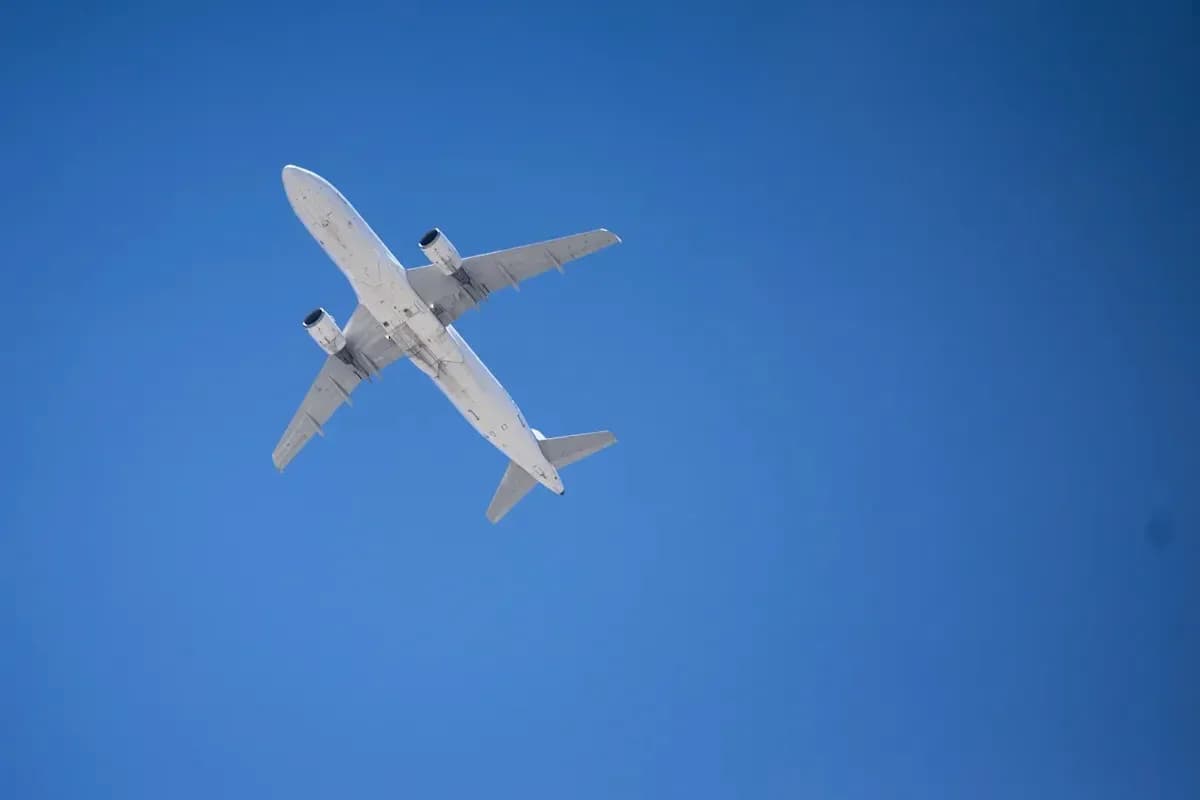
Their flight from Cancún to Miami never left on time. It never even got off the ground.
Reports indicated missing documents blocked the overland flight, with the necessary permits not arranged in time. Fingers quickly pointed at FIFA, whose logistical machine usually hums in the background of every World Cup without notice. This time, it stalled.
Uruguay’s national team, La Celeste, stayed marooned at their base camp in Playa del Carmen while the story spilled into public view. Preparation turned into waiting. Tactical meetings gave way to phone calls and paperwork.
The Guardian contacted the Uruguayan Football Association (AUF) to clarify who was at fault. A federation spokesperson didn’t hesitate to distance the AUF from the chaos, stating the delay came from "issues beyond the AUF’s control." Behind that careful phrasing lay hours of frantic work. For several hours, AUF staff scrambled behind the scenes, trying to secure a replacement flight and salvage what was left of a carefully planned schedule.
FIFA, though, pushed the blame elsewhere. Speaking to ESPN, the organization insisted the airline was responsible, stressing that the carrier had apologized for the disruption. FIFA underlined that it had stayed in close contact with Uruguay’s delegation throughout and claimed it had worked with the airport and other partners to resolve the problem as quickly as possible.
So the blame game began: federation, airline, FIFA. Meanwhile, the players waited.
For Bielsa’s team, the timing could hardly have been worse. World Cup openers are about rhythm and routine, about controlling every controllable detail. Instead, Uruguay lost a full day of ideal preparation before facing Saudi Arabia.
The disruption cut deeper than just travel. The scheduled pre-match press conference with Bielsa and captain José María Giménez was canceled, stripping Uruguay of a chance to set the tone publicly before their first game. In tournament football, those small rituals matter. They send messages, to opponents and to themselves.
Bielsa, as ever, tried to defuse the drama. He insisted the situation "did not cause a problem," a familiar stance from a coach who prefers to keep the focus on the pitch rather than the chaos around it. His words aimed to steady the mood, to make sure a logistical fiasco didn’t seep into performance.
Giménez, though, offered a more candid reflection. "We had a few complications and it was difficult," he admitted, capturing the frustration that comes with hours of uncertainty and disrupted rest. Still, he stressed that the squad had made the best of the situation, using the extra time at the hotel to recover and reset.
Eventually, a solution arrived. A flight was arranged, but only after a significant delay that turned what should have been a routine transfer into a test of patience and focus. No training pitch, no stadium lights, no roaring crowd—just paperwork, waiting rooms, and a creeping sense that something so basic should never go wrong at this level.
Now the question hangs over Uruguay’s opener: does this become a footnote, quickly forgotten if La Celeste start strongly, or the first twist in a campaign that already feels more complicated than it should?