USMNT vs Germany: A Clash of Styles and Strategies
The World Cup hasn’t started yet, but Mauricio Pochettino already has a selection headache. And it’s sitting right at the heart of his defense.
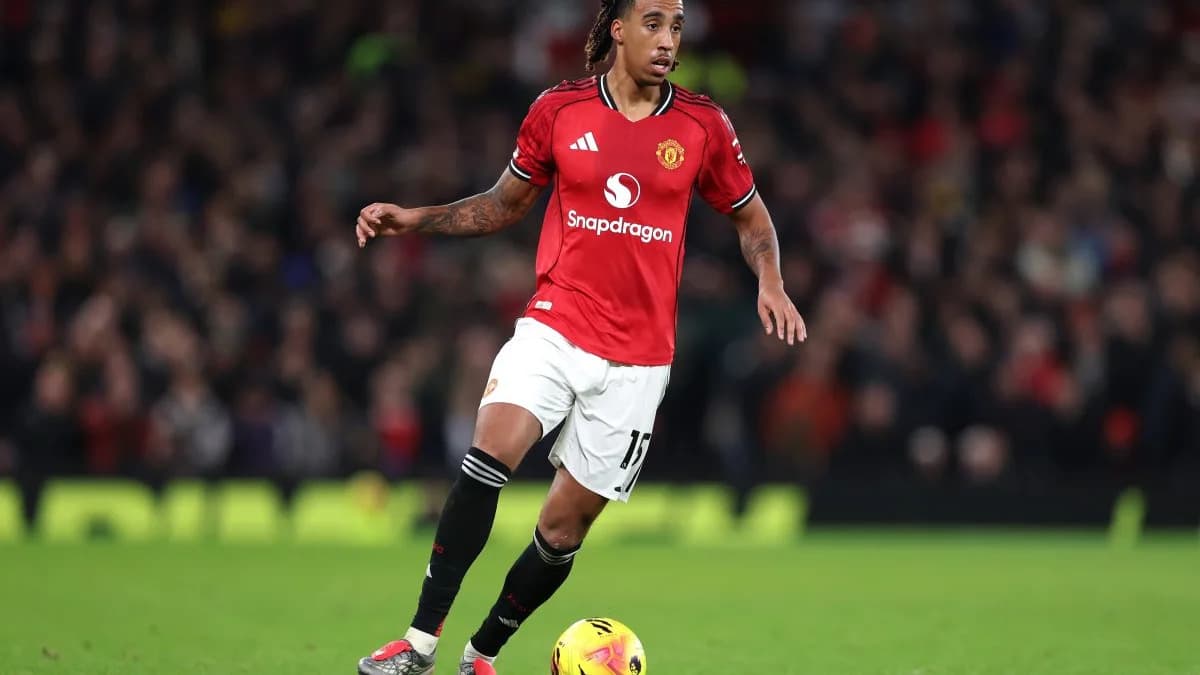
Chris Richards arrived from Crystal Palace carrying ankle ligament damage, and the situation has deteriorated enough that an injury-driven roster change before the World Cup opener is now on the table. Whatever the final call, one thing is clear: he will not feature in Chicago.
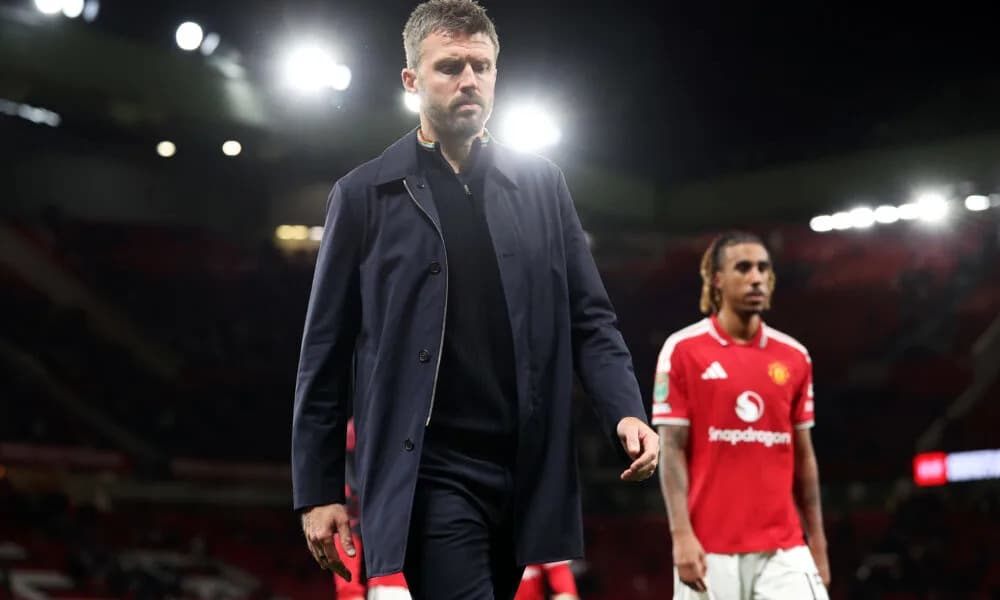
That absence reshapes the picture for a USMNT side still trying to lock in its identity under a manager who refuses to tiptoe into big games. Pochettino showed his hand against Senegal, rolling out something close to his preferred XI before ripping it up at halftime, changing all but one outfield player. It was bold, bordering on ruthless. It also told you everything about how he wants this team to live: on the front foot, even in friendlies that aren’t really friendlies.
Pochettino’s Balancing Act
The question now is rhythm versus opportunity. Does he stick with that near full-strength core again, letting them build more chemistry from the first whistle, or does he flip the script and hand the stage to the supporting cast, asking his presumed starters to close the show?
The way he managed Senegal suggests he’ll lean toward continuity. Starters from that game are likely to get another extended run, but with a few deliberate upgrades. Folarin Balogun, who began on the bench six days ago, looks primed to step in as the focal point up front. Weston McKennie, another high-impact option left out of the initial XI against Senegal, should also be in line for promotion, giving the midfield more bite and vertical thrust.
There’s also the matter of the gloves. Matt Freese was the only goalkeeper not used against Senegal. That usually means one thing in this type of window: his turn has come.
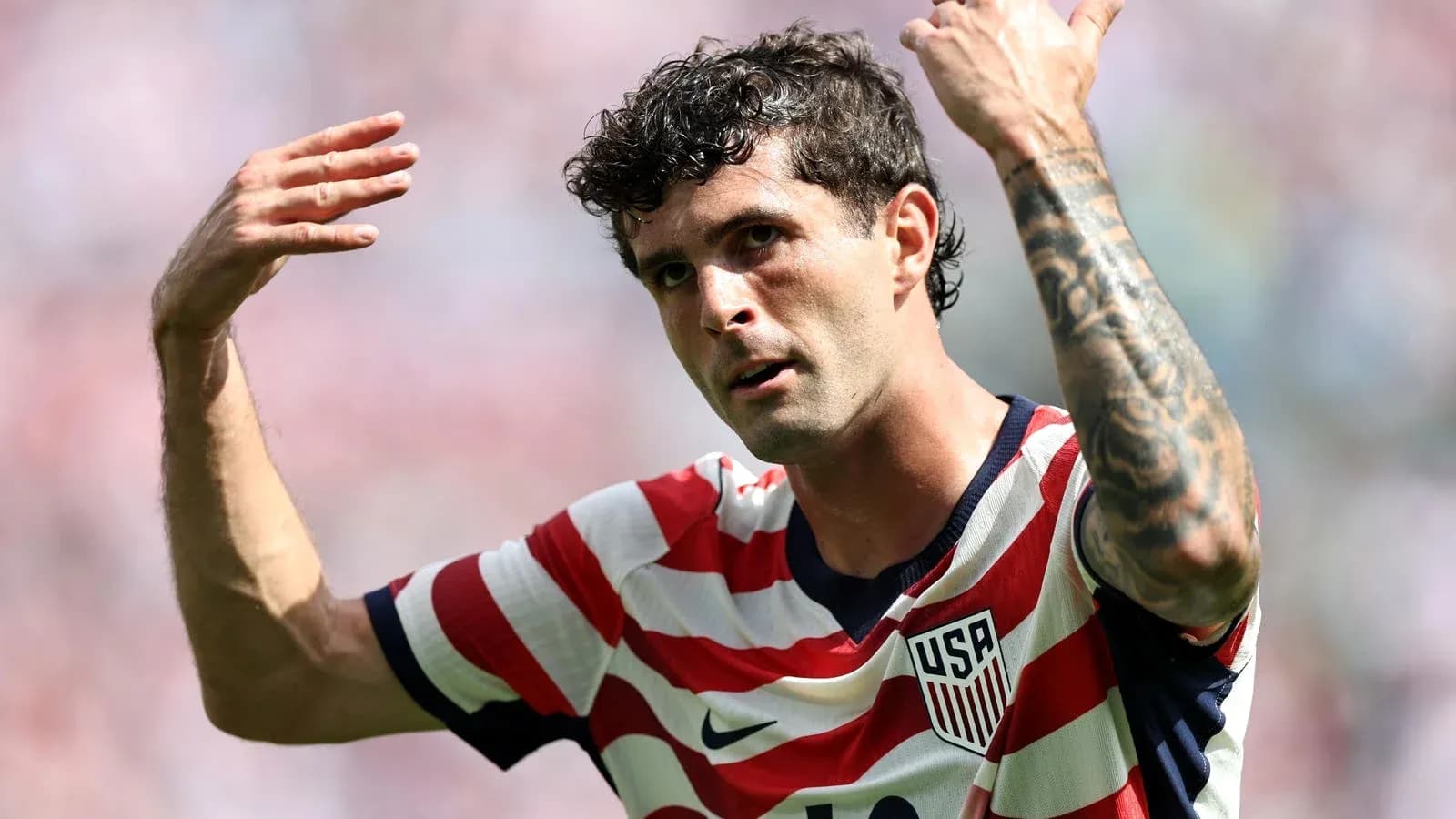
So the projected USMNT XI, in a 3-4-3 from left to right, reads like this: Matt Freese (GK) – Tim Ream, Mark McKenzie, Alex Freeman – Antonee Robinson, Tyler Adams, Weston McKennie, Sergiño Dest – Christian Pulisic, Folarin Balogun, Gio Reyna.
It’s a lineup that screams aggression. Wide players who fly. A double engine room in Adams and McKennie. Three attackers who can all create, all finish, all drift into pockets that unsettle a back line. Without Richards, it also leans heavily on Ream’s experience and McKenzie’s positioning to steady the back three.
Germany Shuffle After Finland Cruise
Across the halfway line, Germany arrive with a very different kind of puzzle.
Julian Nagelsmann’s side brushed aside Finland 4-0 in Mainz, a sendoff game that turned into a showcase. All four goals came in a 29-minute burst between the 34th and 63rd minutes, with Deniz Undav helping himself to a brace. The Stuttgart forward has ridden a stellar Bundesliga season straight into the national team conversation and, suddenly, into the scoresheet with regularity.
But that Finland match came at a price: heavy minutes and a quick turnaround. Most of that XI went the full 90 before boarding a plane to the United States two days later. For Nagelsmann, who lives on intensity and detail, this is the kind of scenario that practically demands sweeping changes.
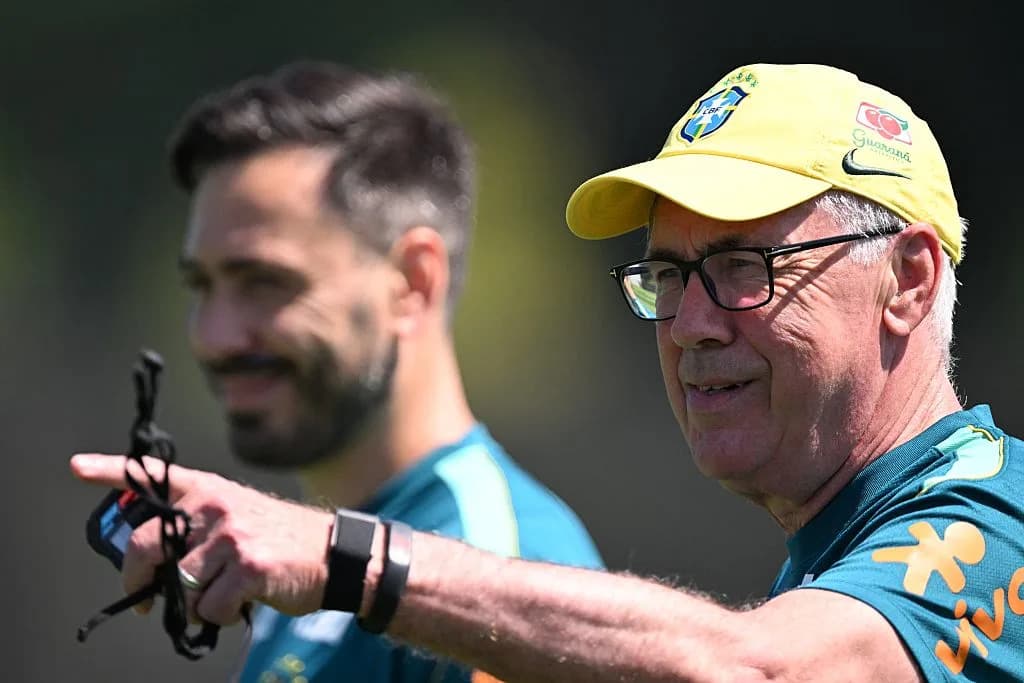
He is also managing risk with his biggest names. Manuel Neuer, back from international retirement for what would be a fifth World Cup, is an injury doubt for Saturday and unlikely to be risked in a friendly when the real tournament looms. Kai Havertz only just rejoined the group after Arsenal’s UEFA Champions League commitments on June 30, and veteran midfield anchor Pascal Groß watched the Finland game from the bench, waiting for his turn.
All of that points to a rotated but still dangerous Germany XI, projected in a 4-2-3-1 from left to right: Oliver Baumann (GK) – David Raum, Nico Schlotterbach, Waldemar Anton, Joshua Kimmich – Leon Goretzka, Pascal Groß – Florian Wirtz, Kai Havertz, Leroy Sané – Nick Woldemade.
On paper, that’s a “second-string” that would start for most nations at this World Cup. Goretzka’s power, Groß’s control, Wirtz’s vision, Sané’s speed, Kimmich’s intelligence from right back – the names may change, but the threat doesn’t disappear.
A Match Built for Chaos
Strip away the lineups and the injury reports, and this game boils down to something simpler: two managers who don’t know how to play safe.
Pochettino’s USMNT has swung wildly at times, brilliant one week, brittle the next. Nagelsmann’s Germany carries its own turbulence, a giant still trying to remember how to dominate the way its history demands. Both coaches live with that volatility because they want their teams to attack, to combine, to push numbers forward until the game breaks open.
That’s why this doesn’t feel like a cagey, tactical stalemate. It feels like a night for mistakes and magic.
Soldier Field adds another wrinkle. Officially, it’s a home game for the United States. In reality, Chicago’s vast German-American community could turn the stands into something far closer to neutral ground. The atmosphere might not tilt decisively one way or the other, and that suits Germany just fine.
If Nagelsmann rolled out his absolute first-choice XI, pedigree would lean heavily toward the visitors. World Cup experience, Champions League winners, players hardened by years at the sharp end of European football – on paper, that’s a different weight class.
But rotation changes everything. A mixed Germany side, still elite but not fully settled, facing an American team chasing rhythm and confidence, opens the door to something more unpredictable.
The likeliest outcome? Goals at both ends and no clear winner. USMNT 2, Germany 2.
On a night like this, with two restless managers and two ambitious squads, a high-scoring draw wouldn’t feel like a compromise. It would feel like a warning shot for whoever underestimates either of them when the World Cup finally begins.