The True Value of Shirt Numbers in Football
On the high street, it’s straightforward enough. Arsenal will charge you £8 to print two digits on the back of their 2026-27 home shirt. Manchester City want £16 for any customisation, whether you add a name or just a number.
That’s pocket change compared to what players pay each other.
When Juan Soto joined the New York Mets last year, he wanted his favourite No 22. Brett Baty already had it. The solution? Soto handed over a $92,000 (£69,000) car to secure the shirt. Baseball, of course, operates in its own universe — they even allow players to wear ‘0’. Anything goes.
Football looks conservative by comparison, but only on the surface. Nobody has yet worn zero in the Premier League, yet almost every other number you can imagine has been used. Transfermarkt’s data shows that every number from 1 to 99 has been taken at some point by at least one current Premier League club. You have to move beyond 45 before you find any gaps.
And those gaps are gloriously random. Brentford have never issued a No 46, but they’ve gone all the way up to No 99. Manchester City have never handed out 46 either, but they have had a No 98. There is no grand plan here, no hidden code — just the chaos of modern squads and personal preference.
Some clubs still manage to stand out. Chelsea, who seemed to sign half of Europe every summer, have never had a player go higher than No 81. Everton, somehow, have already moved on to their second No 10 of the 2026-27 season without having a No 7 or a No 9 on the books. For a club built on centre-forwards and wide men, that’s a puzzle in itself.
Shirt numbers weren’t always this expressive. They only became fixed relatively recently. First introduced in 1911, numbers originally ran from 1 to 11 for the starting XI, with replacements simply pulling on whatever was spare. The greats still gravitated towards the iconic shirts — Kenny Dalglish in Liverpool’s No 7, for instance — but if he missed a game, someone else wore it. The number belonged to the position and the team more than the individual.
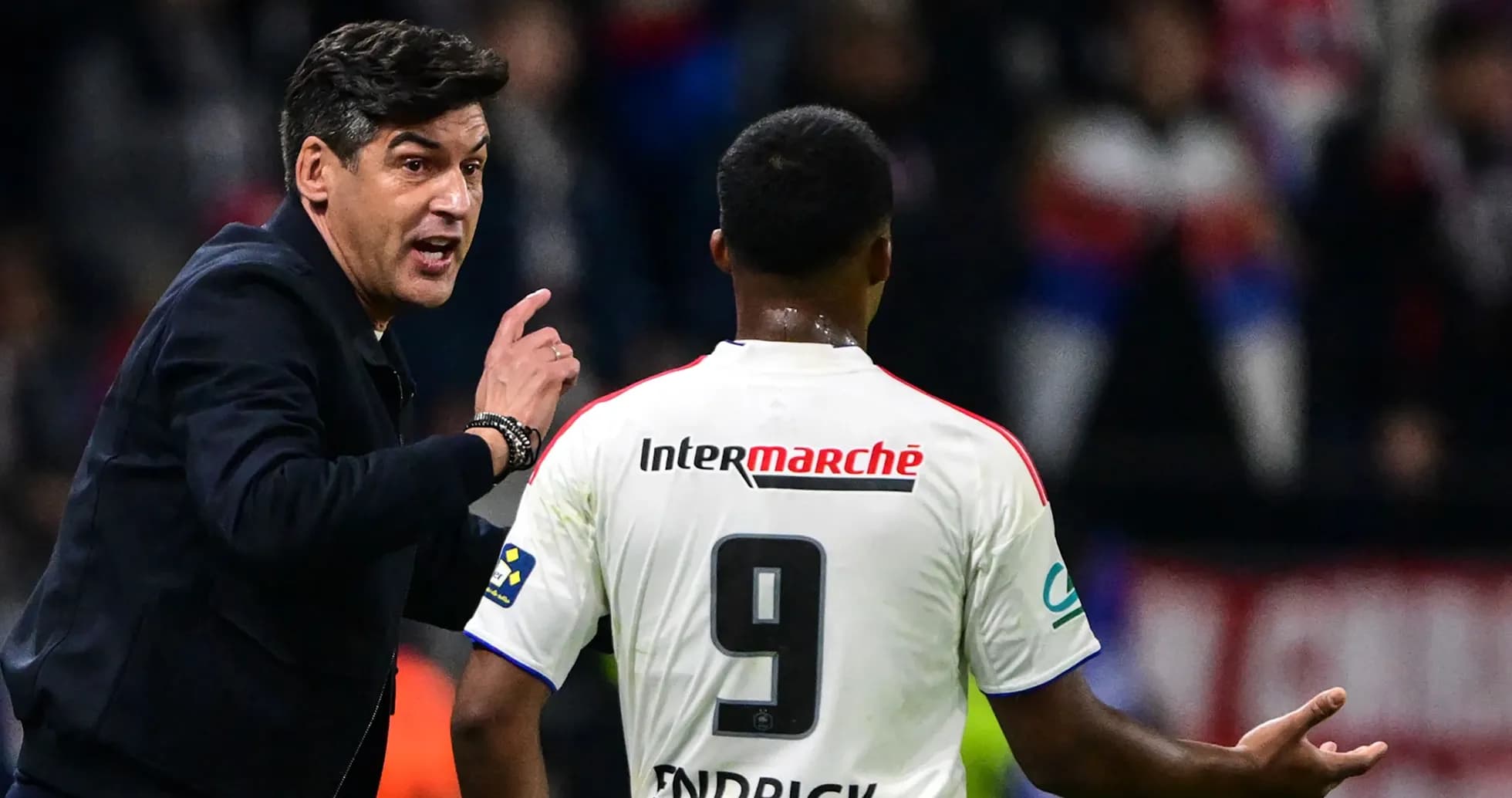
Now, it’s the other way round. For many players, the number is part of their identity, their logo, their brand. You don’t just sign a forward; you sign a No 9. You don’t just buy a winger; you buy the new No 7.
Opta’s records since the Premier League introduced squad numbers in 1993 show that tradition still carries weight. The most prolific shirts, in terms of goals, sit between 7 and 11. These are the numbers that shaped the game’s mythology. After that, the picture becomes less predictable. No 14 owes a huge debt to Thierry Henry, but even then there have been almost 1,300 goals from others who have worn it. Try, without cheating, to list the players who have significantly contributed to the 1,100-plus goals scored by wearers of 17, 18, 19 or 20. It’s not easy.
Goals, though, don’t tell the whole story of value. Transfermarkt’s market valuations — crowd-sourced, data-informed and very much theoretical — offer another way of judging the worth of a number. They are not transfer fees, but they give a sense of status.
Look at those numbers and the pattern dissolves. The 13 players currently rated at €100m or more in the 2026-27 Premier League share 10 different shirt numbers between them. No 11, once owned by the likes of Mohamed Salah at his peak, doesn’t feature among them at all.
Even the classic centre-forward’s shirt has lost its monopoly. Only one No 9 appears in the top eight by individual valuation, though that player — Erling Haaland — remains the most valuable footballer in the division. João Pedro also sits in the €100m bracket, yet when you add up the numbers across the league, No 10 comes out on top.
Collectively, No 10 shirts in the Premier League carry a combined market value of €766m. No 9 follows closely on €752m, with No 7 not far behind on €683.5m. The glamour positions still dominate the total pot.
But they don’t win on efficiency. The highest average value per player belongs to a number that, until recently, barely registered in the sport’s consciousness.
No 41.
Ask yourself: if you don’t support Chelsea, Manchester United or Newcastle, could you confidently name their No 41s? Even some of their own fans might hesitate. Yet the number, across the division, has become football’s most expensive outlier.
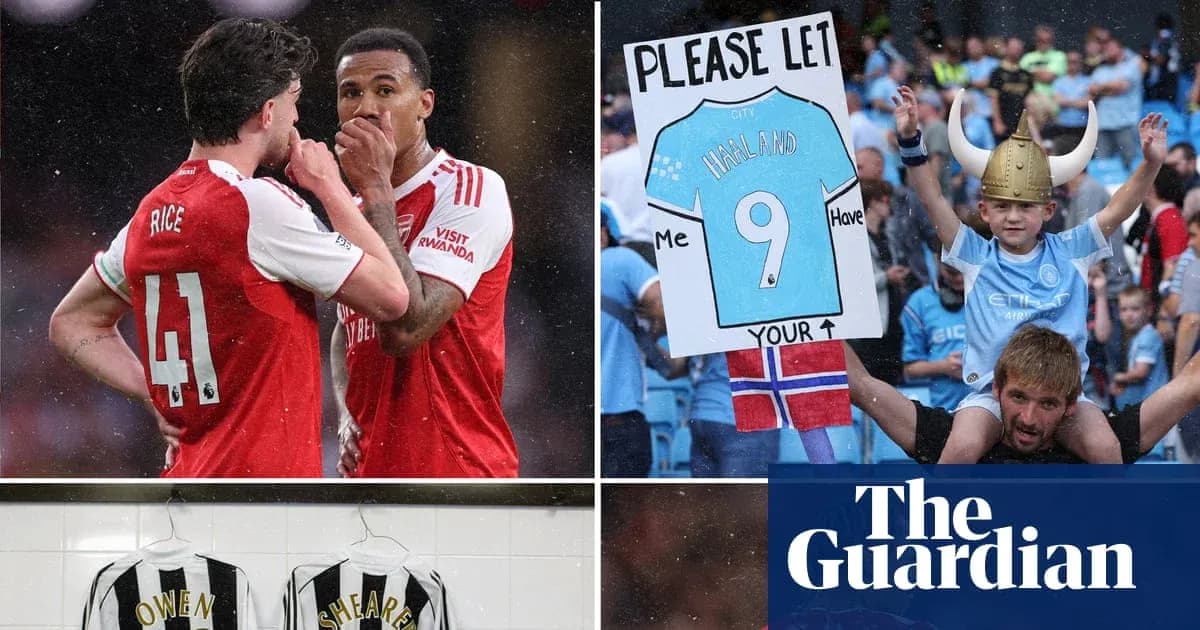
The reason sits at the heart of Arsenal’s midfield. Declan Rice wears 41 and carries such a towering valuation that he drags the average of his fellow 41s into a different stratosphere. He is joined in that bracket by Estêvão, Harry Amass and Jacob Ramsey at their respective clubs, creating a small but elite group that turns an otherwise anonymous number into a financial powerhouse.
A few years ago, the table would have looked very different. During the late 2010s, No 7 and No 10 were the undisputed power shirts. N’Golo Kanté and Raheem Sterling both hit the €100m mark in No 7. Eden Hazard, Harry Kane and Sadio Mané all reached similar heights in No 10. The most valuable numbers in the league lived where you expected them to live: in the first 11.
Now, the most lucrative average sits on the shoulders of a holding midfielder who stuck with the youth-team digits he was given at West Ham and turned them into part of his story. Rice hasn’t just redefined his position; he’s accidentally rebranded an entire number.
In an era when players think as carefully about their shirt as their studs, No 41 might just be the unlikeliest status symbol of all.