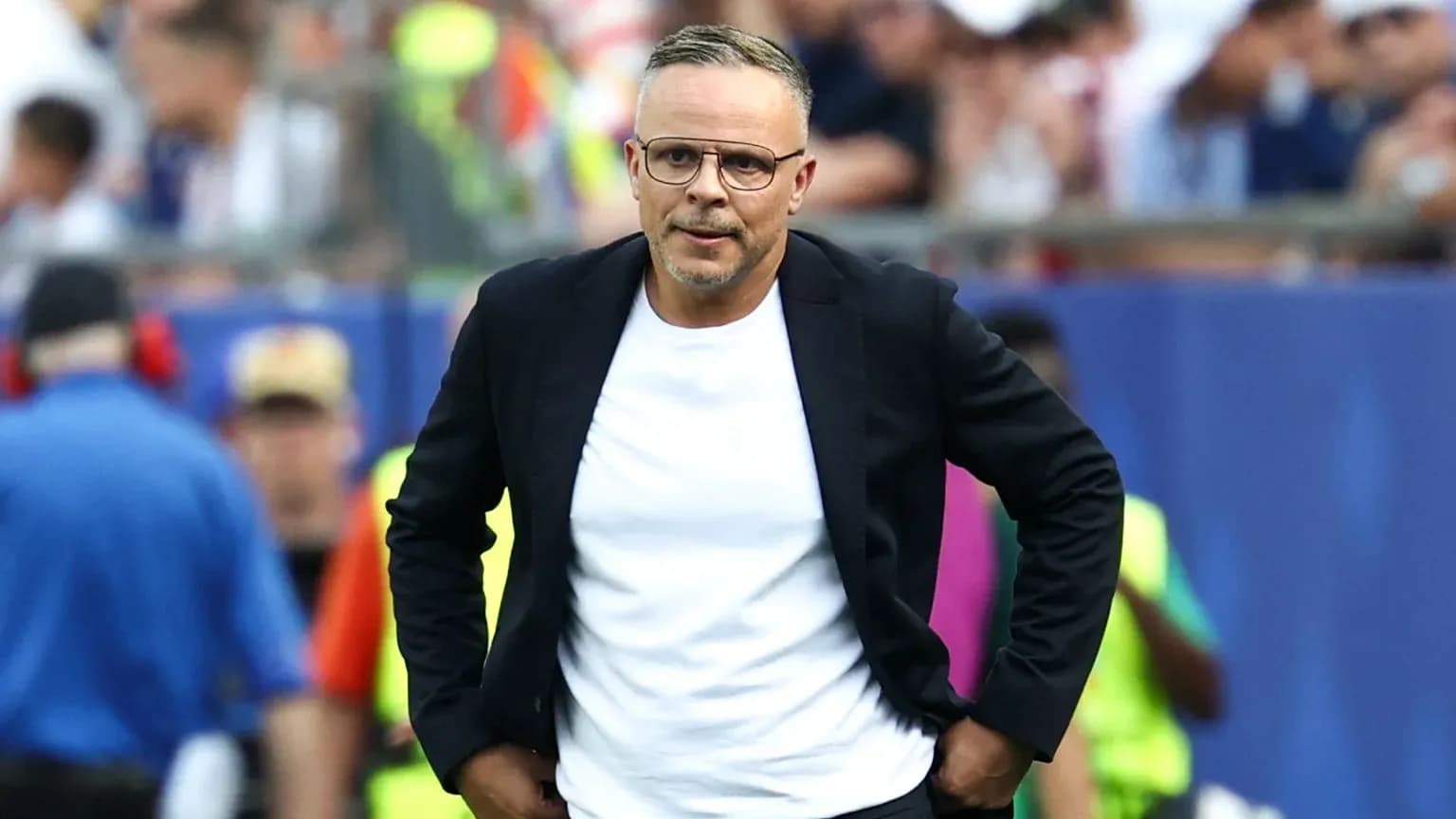
Walid Ouahbi Reflects on Morocco's Performance Against France
Walid Ouahbi left the pitch with a familiar burn in his voice: frustration at a decisive call, pride in a team that refused to fold, and a clear sense that this story is not finished.
At the heart of his anger stood France’s opening goal. Ouahbi was convinced the move should never have counted, insisting Adrien Rabiot handled the ball before Kylian Mbappé lashed it into the Moroccan net. The coach felt the moment shifted the entire rhythm of the night.
“The goal came from a bit of a… shared ball, some people stopped because they saw a handball,” he told beIN Sports, still replaying the incident in his mind. “It was a handball, I don’t know if it should have been called or not, I don’t know.”
Referee Facundo Tello let play continue. France punished the hesitation. Morocco, momentarily frozen by the expectation of a whistle, paid the price.
Yet Ouahbi did not allow the controversy to drown everything else. He made a point of underlining the calibre of the opposition, acknowledging that his side had been pushed to their limits by a team rich in talent and experience.
“We have to admit that we played against a very good team,” the 49-year-old said. “We suffered a lot in the first half, and Bounou made a great save on the penalty.”
That save from Yassine Bounou kept Morocco alive when the game threatened to run away from them. It gave the dressing room something to cling to at half-time, a foothold in a match that had started to tilt heavily towards Les Bleus.
After the break, Morocco looked different. Sharper. Calmer. The panic in possession that had marred the opening 45 minutes began to fade. Passes stuck, lines connected, and the team finally managed to breathe with the ball.
“In the second half, we defended better and, above all, we were more composed with the ball. We were much better,” Ouahbi said. “In the first half, it seemed like some players were catching their breath. We saw that these same players started the second half well.”
The improvement was clear. Where France had previously sliced through with ease, they now found a more organised block, a side that had rediscovered its shape and its courage. Morocco still suffered, but they suffered together and with purpose.
The closing stages were brutal. Fatigue crept in, legs grew heavy, and every clearance felt like a test of will. Ouahbi did not hide from that reality. For him, the ending exposed an issue that goes beyond one match: depth.
“It was tough at the end, but I believe we must continue to believe, to work,” he said. “We must also continue to work on the basics, ensuring that when there are injuries, players who are less fresh, we can have a larger pool of players.”
The message was clear. This was not a night for excuses, even with the disputed goal still gnawing away. It was a night to measure the gap to the very top, to recognise the strides made in that second half, and to accept the harshness of elite football.
“We will continue, we will not stop here. We are very disappointed, we wanted more, but we have to accept it,” Ouahbi concluded.
The anger over the handball will fade. The lesson about how close – and how far – Morocco are from the game’s giants will not.