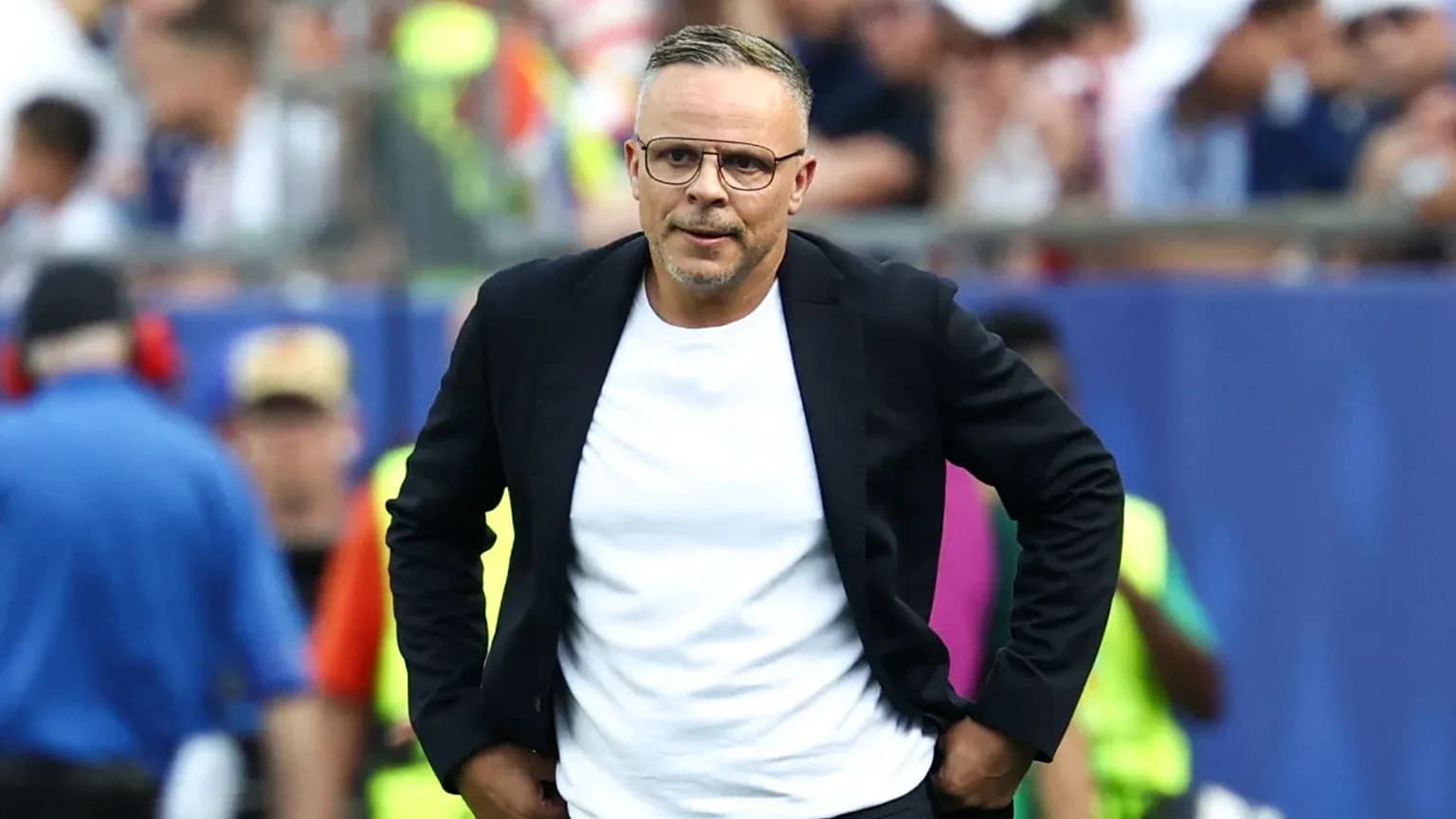
Walid Ouahbi Reflects on Morocco's Response Against France
Walid Ouahbi left the pitch still burning from the contest and even hotter about the decision that set France on their way.
The Morocco coach took aim at referee Facundo Tello for allowing Les Bleus’ opener to stand, adamant that the move should have been halted for handball by Adrien Rabiot before Kylian Mbappé pounced and lashed the ball past Yassine Bounou.
For Ouahbi, the turning point was clear.
“The goal came from a bit of a... shared ball, some people stopped because they saw a handball,” he told beIN Sports, underlining the confusion that swept through his players in that split second. “It was a handball, I don't know if it should have been called or not, I don't know.”
His frustration with the officiating sat there, raw. Yet he refused to let it become the whole story.
Respect for France, pride in Morocco’s response
Ouahbi quickly shifted the spotlight onto the level of the opposition and the response from his own side. There was no attempt to hide how hard France had pushed them, especially before the break.
“We have to admit that we played against a very good team,” the 49-year-old said. “We suffered a lot in the first half, and Bounou made a great save on the penalty.”
Morocco bent, but they did not break. Bounou’s stop kept them alive, and from there the game changed shape. The same players who had looked heavy-legged early on began to find their rhythm.
“In the second half, we defended better and, above all, we were more composed with the ball. We were much better,” Ouahbi explained. “In the first half, it seemed like some players were catching their breath. We saw that these same players started the second half well.”
The improvement was obvious: calmer in possession, braver in their passing, tighter without the ball. The anger over the goal sat alongside a quieter satisfaction at how his team had grown into the contest.
Building depth for the battles to come
As the match dragged into its tense final stages, Morocco pushed, chased, and held on. The effort took its toll.
“It was tough at the end,” Ouahbi admitted, before immediately looking beyond the night’s disappointment. “But I believe we must continue to believe, to work.”
The message was as much for his dressing room as for the cameras. He spoke of basics, of foundations, of a squad that still needs to stretch and deepen if it is to live at this level consistently.
“We must also continue to work on the basics, ensuring that when there are injuries, players who are less fresh, we can have a larger pool of players. We will continue, we will not stop here.”
The sting of defeat lingered. So did the sense of unfinished business.
“We are very disappointed, we wanted more, but we have to accept it,” he said.
The grievance over Rabiot’s handball will fade. The lesson about how close Morocco now stand to the game’s elite, and how much further they intend to go, will not.