Wayne Rooney Critiques Guard of Honour During Key Premier League Match
Wayne Rooney did not try to dress it up. On a night dripping with sentiment at the Etihad, he looked past the tears and tributes and saw something else entirely.
"It's incredible," he told BBC Match of the Day. Not as praise. As a warning.
Guard of honour, live in play
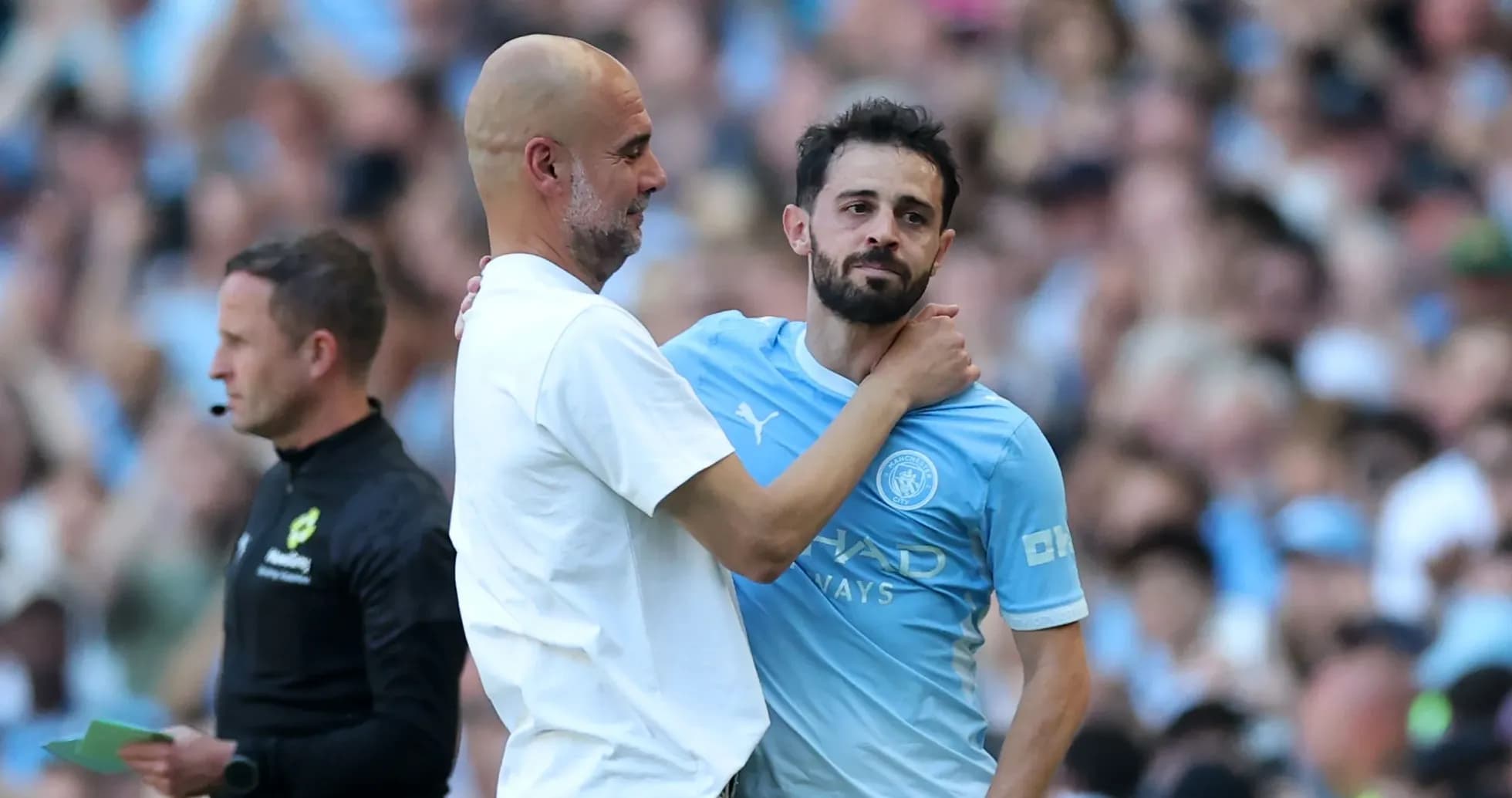
Midway through Manchester City’s farewell to Pep Guardiola, with Aston Villa still chasing every inch of a live Premier League contest, the game stopped. Bernardo Silva’s number went up just before the hour with the scores level. As he walked off, both sets of players formed a guard of honour, applauding him from the pitch.
Twenty minutes later, they did it again for John Stones.
It was a striking image: a title-winning squad saluting two of its most important servants, Villa players joining in the tribute, the stadium soaking up the emotion. It was also, in Rooney’s eyes, a line crossed.
"I've seen a few things this season, and it just makes me sad that some of these things are happening in football," he said. "Bernardo Silva and John Stones have been incredible for Manchester City and they deserve it, but do it after the game. If I was in that Aston Villa team, I'd be fuming."
The timing jarred. This was not a testimonial, not a pre-season friendly. Villa still had something riding on the night, their final league position shaping the European landscape. Yet twice, with the clock running, the competitive edge gave way to ceremony.
Shearer: “I’m in Wayne’s camp”
Rooney was not alone. Alan Shearer, another heavyweight of the English game, watched the scenes and shook his head.
"I was surprised that Villa agreed to doing it, particularly with so long left," he admitted. "I mean, with half an hour, just over half an hour to go with one of the substitutions, so yeah, I'm in Wayne's camp. I'm not a great fan of that while the game is going on."
That last line will resonate with plenty inside the game. There is a growing unease that these grand gestures, staged in the middle of the contest, chip away at the Premier League’s hard-won reputation for relentlessness. The league sells itself on jeopardy, on the idea that every minute matters. When players are forming corridors of applause while the result is still in the balance, that idea feels a little thinner.
Party spoiled, era closed
This was supposed to be Pep Guardiola’s night. Ten years of transformation, 20 major trophies, a dynasty built and burnished. The Etihad came prepared for a coronation of sorts, a long goodbye to one of the defining managers of the modern game.
On the pitch, Aston Villa ignored the script.
Ollie Watkins struck twice, a ruthless brace that turned City’s early advantage on its head and delivered a 2-1 away win. Antoine Semenyo had opened the scoring for the hosts, hinting at a routine home celebration, but the intensity wavered as the evening turned inwards and emotional.
The game sagged around the substitutions. The sense of occasion seeped into the football. Villa stayed sharp, professional, and punished the drop.
For City, the defeat will barely scratch the legacy of the Guardiola era, yet it marked the night with an awkward asterisk. This was billed as a crowning; it finished with the champions beaten and their opponents walking off with points that mattered.
Guardiola in tears
When the final whistle went, the emotion that had been hovering all evening finally overwhelmed Guardiola. He admitted he was "so tired" and broke down as he spoke about the connections forged since 2016, the bonds that run through this City squad.
What finally cracked him was not his own farewell, but the reaction inside his dressing room to the departures of Silva and Stones. The players’ response to those two cornerstones leaving the stage cut through the professional façade and exposed the human core of this team.
The night, in that sense, did what City wanted it to do. It showed the depth of feeling around Guardiola and his lieutenants. It underlined why this era has felt so cohesive, so driven.
But it also exposed the tension at the heart of modern elite football: how to honour legends without softening the edges of competition.
Villa’s win ripples across Europe
While City turned inward, Villa kept their eyes on the table. They had already secured Champions League football for next season via their Europa League triumph, yet this victory still carried weight.
The 2-1 win nudged them into fourth place ahead of Liverpool, a late-season shuffle with consequences beyond England. That switch in position fed directly into the coefficient picture, clearing a path for Sporting CP to skip the qualifying rounds and move straight into the main draw.
So those 90 minutes, wrapped in sentiment in Manchester, stretched their impact all the way to Portugal. Villa’s refusal to be swept away by the Guardiola farewell gave their season one final push and reshaped the European map just a little more.
A line for the game to draw
For City, the loss will fade into the background of a decade defined by dominance: 20 trophies, a style of play that changed the league, standards that forced rivals to rethink what success looks like. The Guardiola era ends with more silverware than most clubs manage in a lifetime.
Yet the images that linger from this match may not be Watkins wheeling away or Semenyo’s opener. They may be those two guards of honour, staged while the clock ticked and the scoreline still mattered.
That is where the argument now sits. How far can the game bend to emotion before it risks its competitive core? Where is the line between respect and theatre?
On this evidence, that debate is only just getting started.