West Ham’s Boardroom Division Amid Relegation Crisis
West Ham’s relegation has not only shaken the dressing room. It has split the boardroom.
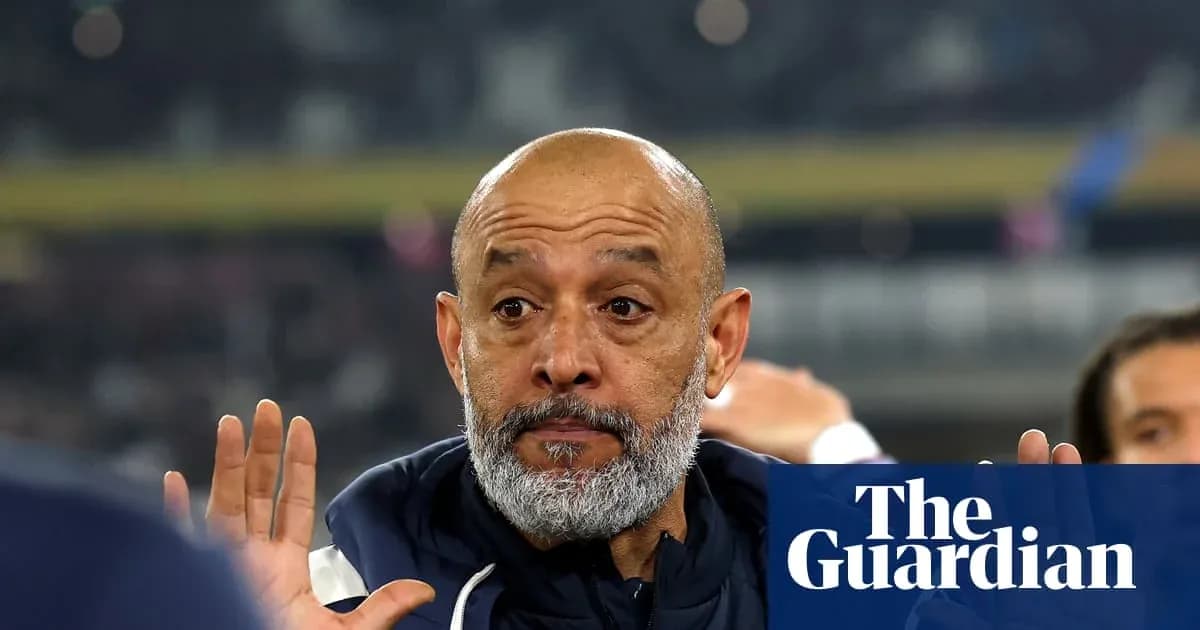
Nuno Espírito Santo’s future hangs in the balance after crisis talks on Monday, with a decision expected before the end of the week. The expectation around the club is still that West Ham will move on from the Portuguese coach. Yet what once looked like a straightforward parting of ways has turned into a power test at the top of the club.
Boardroom fault lines
At the heart of it is a disagreement between the two most powerful men at West Ham.
Daniel Kretinsky, the Czech billionaire and second-largest shareholder, is understood to be backing Nuno to stay on and lead the club in the Championship. David Sullivan, the largest shareholder and dominant figure at West Ham for 16 years, is far less convinced.
Kretinsky already has a deal lined up to increase his stake, bringing him level with Sullivan’s control. Both men are poised to buy chunks of the Gold family’s 25.1% shareholding, a move that would leave them sharing power more evenly in the boardroom. Relegation, though, has complicated everything, including the value of that deal and the dynamics of who truly calls the shots.
Sullivan has long been the central force at the club, but he has become the lightning rod for supporter anger after West Ham’s slide into the second tier. Even during last Sunday’s win over Leeds, the mood turned on him, with abuse from sections of the fanbase underlining how toxic the atmosphere has become.
Sullivan’s dilemma
Inside the club, there is talk of a 50-50 chance that Sullivan decides to sell after relegation. At 77, he has been at the helm for more than a decade and a half and is facing some of the fiercest criticism of his tenure.
Yet his hands-on role in the talks with Nuno suggests something different: a man who is not ready to walk away. Sullivan is also heavily involved in discussions over how to rebuild the squad for life in the Championship, with the clear aim of mounting an immediate push for promotion.
If he were preparing to exit, this level of involvement in long-term planning would be harder to explain.
Nuno’s leverage
Nuno arrived last September on a three-year deal after replacing Graham Potter, brought in to steady a side drifting dangerously. Built into that contract, though, is a clause that now shapes everything.
West Ham can dismiss the 52-year-old without paying compensation. Nuno, for his part, can also walk away for free. That mutual break clause gives both sides unusual leverage at a time of upheaval.
His own appetite for the Championship will weigh heavily in the final call. If he wants to stay and fight for promotion, Kretinsky has a ready-made argument: continuity, stability, a manager who already knows the squad and the mess he has inherited. If Nuno feels his future lies back in the top flight or abroad, Sullivan’s doubts will only harden.
Names in the frame
Should West Ham decide to start again, the shortlist is already forming.
- Scott Parker is in the conversation, a former West Ham midfielder with promotion experience from the Championship.
- Slaven Bilic, who delivered some of the club’s most memorable recent Premier League nights, is another potential option, offering familiarity and a rapport with supporters that could ease tensions.
- Gary O’Neil, admired for his work in difficult circumstances elsewhere, is also under consideration.
Each name hints at a different route back: nostalgia, pragmatism, or a younger coach on the rise.
For now, though, everything circles back to that split at the top. A relegated club, a divided board, and a manager waiting to learn whether he is the man to lead West Ham out of the Championship — or the first major casualty of a summer that could reshape the club’s future.