Why Young Brazilian Footballers Keep Joining Shakhtar Donetsk Amid Ukraine Conflict
Despite the ongoing war in Ukraine, Shakhtar Donetsk continues to attract a remarkable number of young Brazilian football players. The club's strategy of signing and developing Brazilian talent remains as strong as ever, even as they operate far from their home city due to conflict.
The Longstanding War and Club Displacement
Although many view the war as starting with Russia’s full-scale invasion in February 2022, the fighting has affected Shakhtar for over a decade. Their home city, Donetsk, was central to the conflict beginning in 2014, when pro-Russian unrest led to violence and occupation. Since then, Shakhtar has been displaced, training and playing matches hundreds of miles away from Donetsk, including hosting European games in Poland and Germany. Their iconic Donbas Arena suffered damage from shelling, further symbolizing the disruption they’ve faced.
The Brazilian Connection: A Two-Decade Legacy
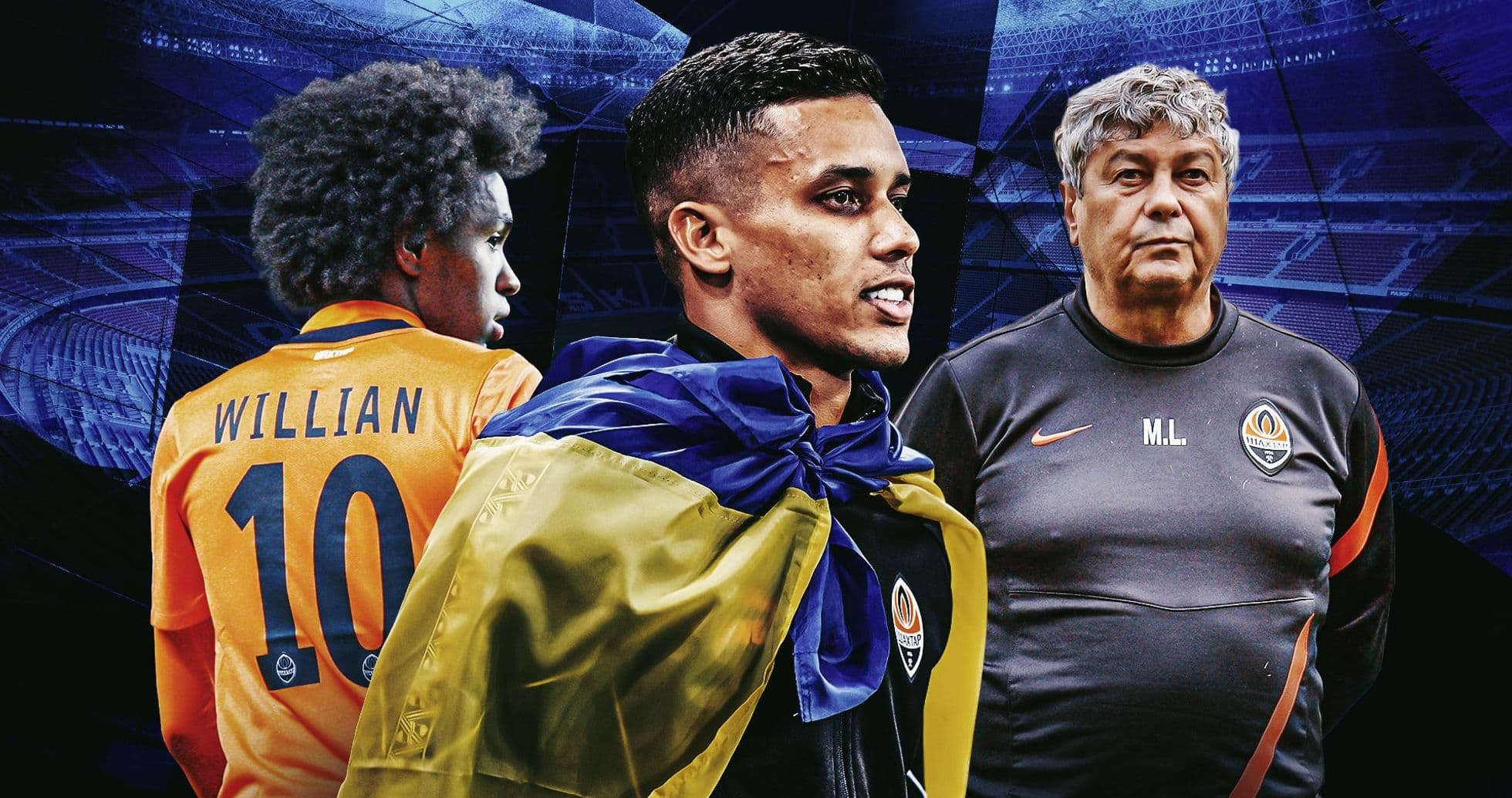
The bond with Brazil dates back more than 20 years, sparked by club owner and billionaire Rinat Akhmetov’s love for the flair and style of Brazilian football. The arrival of striker Brandao in 2002 was just the start. Under coach Mircea Lucescu, who managed the club for 12 trophy-filled years, Shakhtar focused on scouting affordable young Brazilian players. Stars like Elano, Jadson, Fernandinho, Luiz Adriano, Taison, and Willian followed, many moving on to Premier League success.
"The president and I dreamed of turning every Shakhtar match into a show," Lucescu once said, explaining why they chose Brazilians over other South American talents.
A Record Number of Brazilians Despite the Conflict
Remarkably, even amid war and exile, Shakhtar marked a milestone this summer by signing their 50th Brazilian player, Flamengo’s Ryan Roberto. Alongside him, winger Bruninho joined for a substantial fee after turning 18. The club currently fields 14 Brazilian players, a record high. Roberto explained his choice, highlighting the large Brazilian community at Shakhtar and the club’s reputation for welcoming and supporting Brazilian players.
Adapting to New Realities While Maintaining Identity
Sergei Palkin, Shakhtar’s CEO for 22 years, acknowledges the challenges brought by war but insists it has pushed the club to adapt swiftly. He stresses that while they cannot offer comfort, they provide a pathway to Europe’s top leagues. Trust in Shakhtar’s development program and career opportunities keeps attracting Brazilian talent despite difficult circumstances.
Life Away From Home and Mental Challenges
Players like Pedrinho, who joined before the war and returned after a loan spell, emphasize how the Brazilian community helps ease adaptation. The club also fosters respect and support between Ukrainian staff and Brazilian players. Still, the mental strain is significant, with frequent air-raid sirens and the need to seek shelter. Players face long travel times for matches, sometimes leading to fatigue and injuries. Despite this, the team strives to perform at their best.
Maintaining a Successful Business Model Amid Conflict
Shakhtar’s recruitment is not only about sport but also business. They’ve increased scouting efforts in Brazil and refined their analysis to continue finding promising talent. Transfers such as Mykhailo Mudryk’s £89 million move to Chelsea and Kevin’s sale to Fulham highlight their ability to profit despite instability. Recently, the club shifted to quicker player turnover, signing and fielding players faster than before.
Facing New Competition in the Global Market
European clubs now heavily scout Brazil, making it harder for Shakhtar to compete financially. Chelsea and Manchester City have become major buyers of young South American talent. This has pushed Shakhtar to target younger prospects like Bruninho, whom larger clubs might hesitate to sign early. They acknowledge these market shifts and continue adapting accordingly.
Importance of Champions League Qualification
Playing in the Champions League remains vital for Shakhtar’s business and appeal to players. Although the Ukrainian league’s coefficient has dropped, the club secured direct entry into the 2026-27 group stage thanks to league placement and UEFA adjustments. Participation in Europe’s top competition helps showcase players and attract new talent.
New Home Grounds and Commercial Opportunities
With no access to Donetsk, Shakhtar will play their Champions League home games at Chelsea’s Stamford Bridge. This move not only offers better facilities but taps into London’s large Ukrainian and Brazilian communities. It also opens new commercial avenues and revenue streams vital for the club’s survival and growth.
Looking Forward
Appointing former Turkey and Barcelona midfielder Arda Turan as head coach expanded Shakhtar’s fan base, especially in Turkey. Despite all challenges, the club won the Ukrainian league in 2025-26 and is determined to continue thriving. The identity forged through decades of nurturing Brazilian talent endures, giving the club a unique edge and hope for the future.
Why Brazilian Players Still Choose Shakhtar
- Strong Brazilian community easing cultural and language barriers
- Pathway to Europe’s top leagues, especially the Premier League
- Trust in Shakhtar’s development system and successful track record
- Opportunity for regular first-team football at a young age
- Exposure to Champions League football
- Competitive wages compared to Brazil
Despite war and displacement, Shakhtar Donetsk remains a rare footballing sanctuary for young Brazilians aiming to make their mark in Europe. The club’s resilience and adaptability show that even in harsh conditions, football can find a way forward.