World Cup Ordeals: Assim Madibo and Iran's Protest
Julen Lopetegui did not bother dressing it up. For Assim Madibo, this World Cup has turned into a personal ordeal.
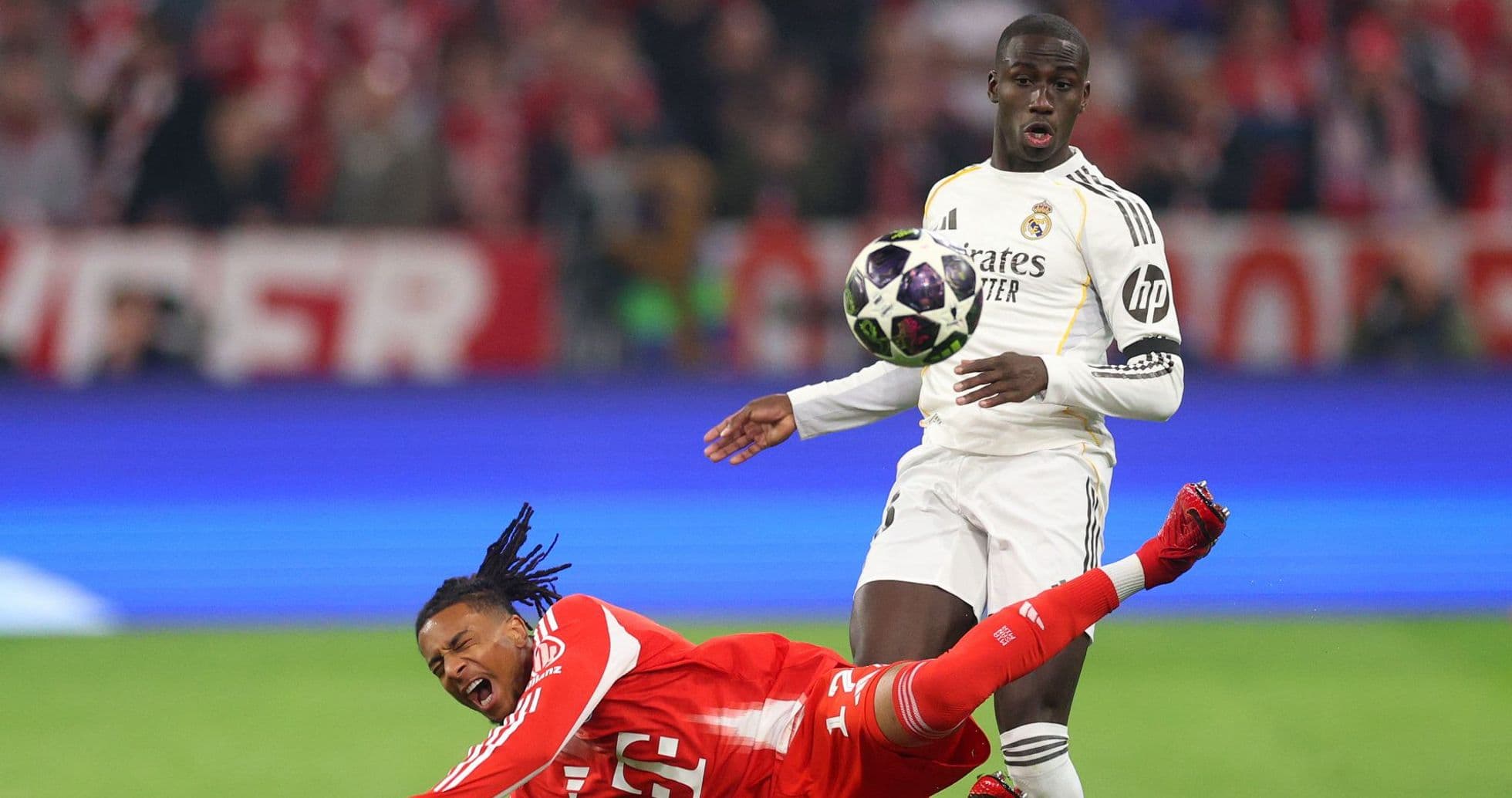
The Qatar midfielder, sent off in last week’s 6-0 hammering by Canada after a challenge that left Ismael Koné with a broken leg, spent the eve of his country’s final Group A game not with his teammates, but at a hospital bedside in Vancouver.
Madibo flew to Canada’s tournament base to visit Koné, who has undergone successful surgery but is expected to be out for at least five months. The images from the night of the injury – Madibo distraught, hands on his head, barely able to look – told their own story. Lopetegui filled in the rest.
“It has been very tough for him,” the Qatar coach said on Tuesday, speaking about a player whose World Cup has effectively ended in anguish and suspension. “Now in the current moment Madibo is in Vancouver visiting Kone because he was very, very affected by this injury – it was never his intention. It was a very clear accident. We wish him all the best.”
Koné, Sassuolo’s rising midfielder in Serie A, now faces a long road back. Madibo, barred from facing Bosnia and Herzegovina in Seattle on Wednesday, will have to live with the image of a tackle gone horribly wrong. Homam Ahmed, also sent off in that same chaotic defeat, is suspended too. Qatar will walk out at Lumen Field stripped of two starters and carrying the emotional weight of a tie that spiralled into a 10-man, then nine-man collapse.
The human cost of this tournament is not only measured on the pitch.
Iran’s message: “#168” and a World Cup under protest
Across the continent, in Tijuana, Iran prepared for their final Group G match with a very different kind of statement.
Training on Tuesday evening, their players worked on a pitch marked not just by cones and bibs but by black corner flags bearing a stark, simple inscription: “#168”.
The number refers to the victims of a deadly strike on an elementary school in Minab, southern Iran, on 28 February – the first day of what has been framed as the US-Israel war on Iran. At least 168 people, the majority of them schoolchildren, were killed. The attack was attributed to the US military. Donald Trump, speaking last week, offered a cold shrug: “Nobody did that on purpose. Mistakes are made. The war is nasty.”
Iran’s squad have carried that number with them all month. When they first arrived in Mexico after a camp in Turkey, players stepped off the plane with “#168” pin badges on their lapels. Now the message has moved from their jackets to the training ground, into the sightline of every camera.
Whether Fifa will tolerate it is another matter. The governing body’s regulations are explicit: “equipment must not have any political, religious or personal slogans, statements or images” or teams risk sanction. The black flags sit squarely in that grey zone where grief, protest and politics collide. Fifa has been contacted for comment. So far, silence.
Iran’s schedule has been a battleground of its own. For their earlier group games against New Zealand and Belgium in Los Angeles, they were only allowed to arrive 24 hours before kick-off. Head coach Amir Ghalenoei branded them the “most oppressed” team at the tournament, a line that sounded like hyperbole until the travel restrictions, visa wrangling and now symbolic protests were laid out in sequence.
This week, a small concession: Iran have been granted special permission to enter the United States only two days before their next match. They will land in Seattle from Tijuana at 11.30am local time on Wednesday, then face Egypt on Friday.
The fixture comes loaded. It is the World Cup’s designated Pride Match, scheduled to coincide with Seattle’s Pride weekend. Both Iran and Egypt have already complained to Fifa about the planned celebrations around the game. On one side, rainbow flags; on the other, black ones.
Yet inside the dressing room, a different tone has emerged. After Sunday’s draw with Belgium in Los Angeles, Iran left a handwritten note pinned to the wall, a message that tried to stretch beyond the noise and the geopolitics.
“From the ancient Persia of thousands of years ago to the civilised Iran of today, the spirit of Iran remains alive and steadfast. We came to Los Angeles with pride, competed with honour, and leave with dignity,” it read. “Thank you Los Angeles for your hospitality. And thank you to every Iranian who gave their heart, voice and soul for Iran throughout these 180 minutes. May peace, respect and friendship prevail among all nations.” The hashtag “#168” sat there too, inked into the bottom corner.
On the pitch, milestones continue. At training on Tuesday, Alireza Jahanbakhsh, the former Brighton winger, received a commemorative Iran shirt to mark his 100th cap, earned in the draw with Belgium. In another tournament, at another time, that might have been the headline.
Here, it felt like a footnote.
Iran now head for Seattle carrying a century of appearances for one of their senior figures, a political storm over Pride branding, a running dispute over travel treatment, and a silent, stubborn number stitched into their identity: 168.
The question is no longer whether this World Cup can contain all of that. It’s how long Fifa will try to pretend that it can.