WTA Admits Responsibility for Live Microphone Controversy
The Women’s Tennis Association has admitted it got this one badly wrong.
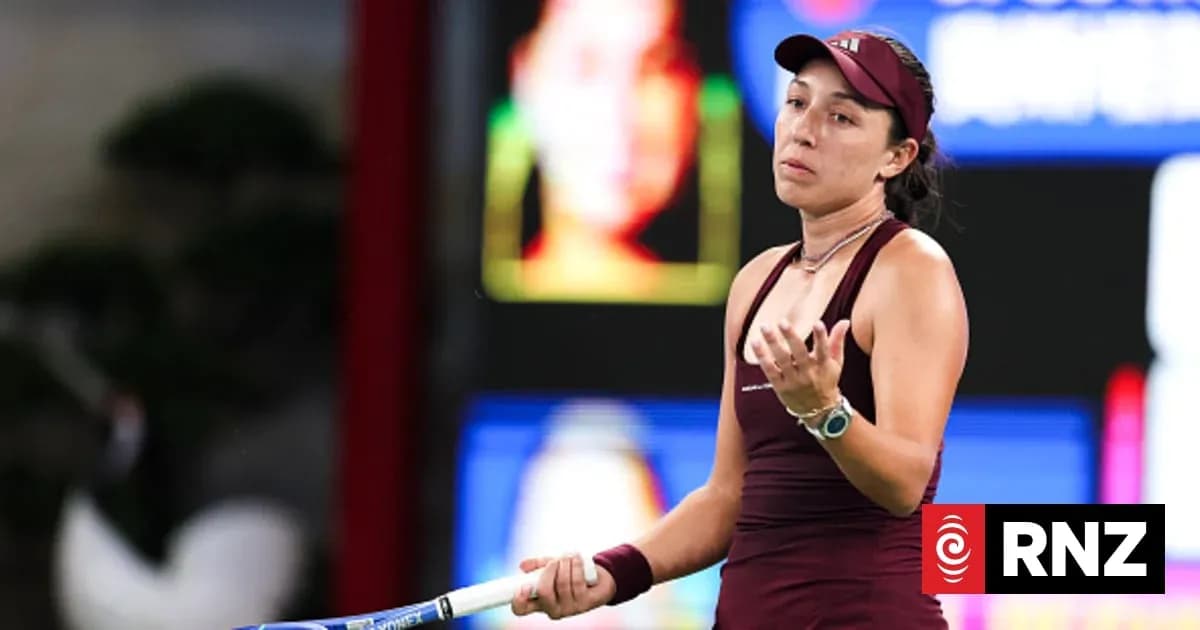
On the eve of its season-ending showpiece, the WTA said it takes “full responsibility” after private comments made by Jessica Pegula about Mirra Andreeva were picked up by live microphones during a practice session and broadcast on the organisation’s own YouTube channel.
What should have been a quiet hit on the practice courts at Indian Wells turned into an unwanted flashpoint. As Pegula worked with her coach Mark Knowles, microphones positioned for a fan-focused livestream caught the world number five describing French Open champion Andreeva as “a diva” who “needs to be humbled”, and suggesting that coach Conchita Martinez played a part in shaping the 19-year-old’s behaviour.
The conversation, streamed this week ahead of next week’s WTA Finals, did not stay confined to the relatively modest YouTube audience for long. Clips of the exchange were quickly lifted, reposted and dissected across social media, dragging the locker-room dynamic into the public arena.
The WTA moved to contain the damage. Recordings of Wednesday’s practice sessions were removed from YouTube, but by then the key moments had already been clipped and shared widely.
In a statement, the governing body accepted that the fault lay squarely on its side.
“The WTA takes full responsibility for failing to inform our players and their teams that microphones, in place to give fans a livestream of the players' practice, were active on the courts at the WTA Finals,” it said, acknowledging that players had not been warned their conversations could be broadcast.
Pegula’s camp also stepped in. A representative told The Athletic that the American had “absolutely no idea” the discussion with Knowles was being livestreamed and had never imagined a practice-court chat would be made public. According to the representative, Pegula has since contacted those involved to apologise.
The remarks were not entirely critical. During the same conversation, Pegula also praised Andreeva, calling the world number three “wonderful” and “smart”, a reminder that practice-court talk is often a jumble of admiration, frustration and tactical edge.
That nuance was lost once the comments were stripped of context and fired around the internet. For the WTA, the episode lands awkwardly at a time when it is trying to deepen fan engagement with behind-the-scenes access while still protecting player trust.
Pegula, a member of the WTA Players’ Council, now finds herself at the centre of a debate about privacy in a sport increasingly wired for content. The governing body, having owned the mistake, must convince its own locker room that the push for access will not come at the cost of candour.
The tennis, though, is about to take over. The WTA Finals, staged at Indian Wells for the first time, run through to 15 November. How the tour balances openness and discretion over that stretch may say as much about its future as the results on court.